
Harmonizing Expectations and Outcomes in Veneer Aesthetic Management
Achieving a flawless and enduring dental transformation requires meticulous orchestration of various intricate elements. As modern innovations offer enhanced solutions, the ability to meticulously foresee and articulate every stage of improvement becomes vital. This approach not only caters to individual aspirations but also mitigates unforeseen challenges, ensuring a harmonious convergence of envisioned and actual results.
Bridging the Gap Between Imagination and Reality
The Power of Digital Previews in Aesthetic Planning
For anyone considering a smile transformation, the most significant source of anxiety is often the inability to visualize the final result before the procedure begins. In the past, patients had to rely heavily on trust and the verbal descriptions provided by their dentist, which often left room for interpretation and, consequently, disappointment. Today, the standard of care has shifted dramatically towards the use of "digital twins." This process begins with a comprehensive 3D scan of the patient's oral cavity, creating a precise virtual model. This technology allows practitioners to manipulate the position, angle, and shape of the teeth down to the millimeter on a screen. Because the "smile zone"—the front teeth most visible when smiling—is so prominent, even a fraction of a millimeter in misalignment can drastically alter facial aesthetics.
By utilizing these sophisticated digital models, the guesswork is removed from the equation. The design is not merely based on generic templates but is customized to harmonize with the patient’s specific facial skeletal structure and lip dynamics. This objective approach enables the patient to see exactly how specific changes will affect their overall appearance. It transforms a vague desire for "better teeth" into a concrete, visual plan. This pre-treatment visualization serves a dual purpose: it empowers the patient to make informed decisions and provides a clear technical roadmap for the clinician. When a patient can see a realistic simulation of their future smile, the fear of the unknown dissipates, replaced by confidence and excitement for the journey ahead. This technological step is crucial in mitigating the risk of dissatisfaction, ensuring that the mental image the patient holds aligns perfectly with the proposed clinical outcome.
Synchronizing Vision with Achievable Results
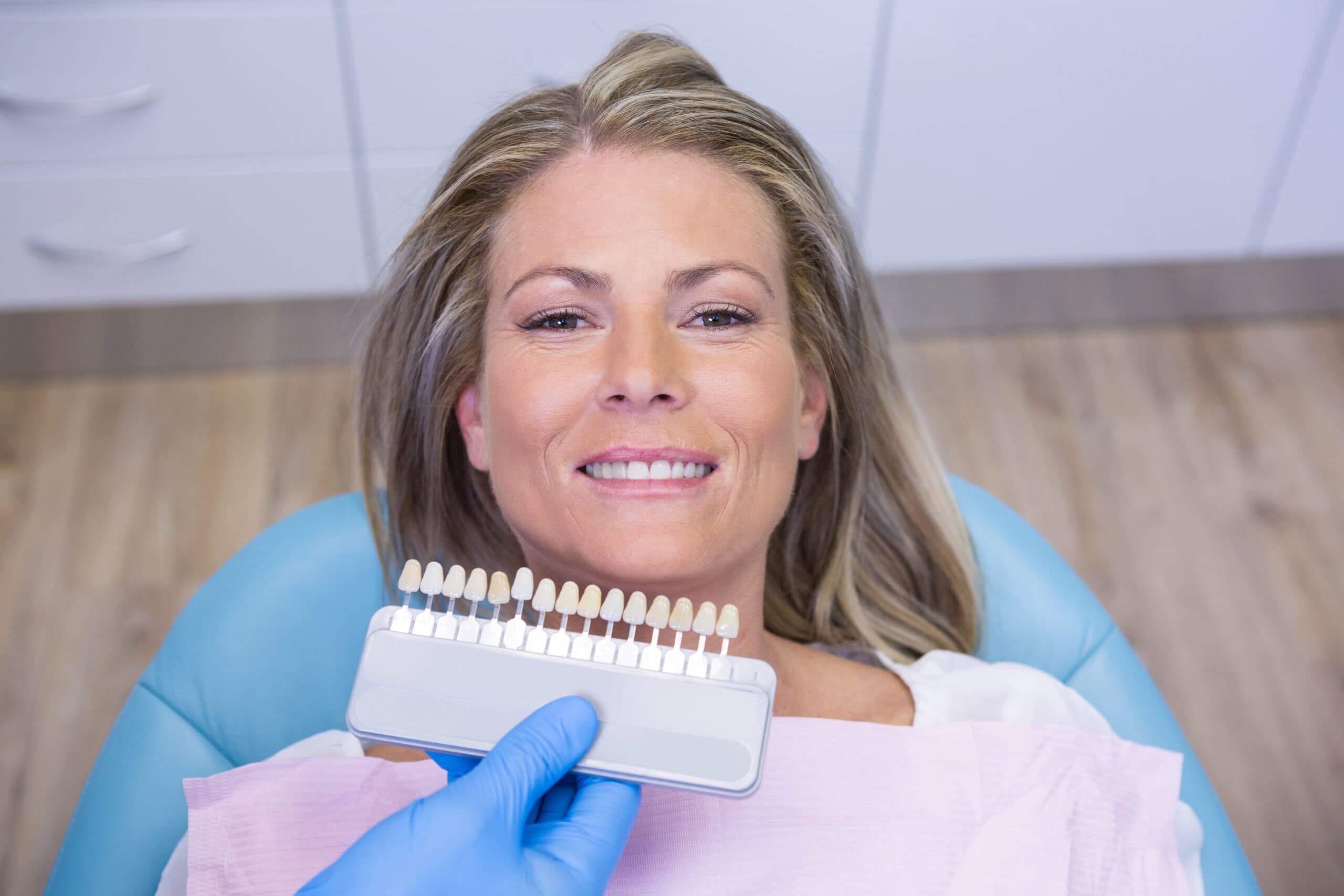
Even with the most advanced technology, a successful aesthetic outcome relies heavily on the "alignment of expectations." There is often a discrepancy between the idealized image a patient has in mind—perhaps influenced by filtered social media images or celebrity smiles—and what is biologically and structurally feasible for their unique mouth. Bridging this gap is akin to a collaborative art project where the patient and the doctor must co-create the final design. Simply discussing concepts like "natural white" or "rounded edges" is insufficient because these terms are subjective; one person’s "natural" might be another person’s "too yellow." To combat this, modern protocols emphasize the use of visual aids, such as high-resolution photography and direct mock-ups, where temporary materials are placed on the teeth to preview the shape in real-time.
This phase of the process is essentially a "test drive" for the new smile. It allows for a granular discussion about specific details: the curve of the incisors, the ratio of tooth length to width, and the shade of white that best complements the skin tone. If the patient feels something is slightly off, adjustments can be made instantly on the digital model or the physical mock-up. This interactive process of "tuning" the design ensures that every concern is addressed before any irreversible work is done. It effectively eliminates the risk of "shock" upon seeing the final result. By validating the design visually, the patient provides informed consent not just to the medical procedure, but to the aesthetic outcome itself. This mutual agreement forms the foundation of a successful treatment, significantly reducing the likelihood of revisions or regret later.
| Feature | Traditional Verbal Consultation | Visual-Based Digital Consultation |
|---|---|---|
| Clarity of Outcome | Relies on imagination; high ambiguity. | Visual simulation provides a concrete preview. |
| Patient Feedback | Reactive; often occurs after permanent work is done. | Proactive; adjustments made during the design phase. |
| Risk of Mismatch | High; "Natural" is interpreted differently by everyone. | Low; Visual confirmation ensures shared understanding. |
| Emotional Impact | High anxiety due to uncertainty. | Confidence and excitement due to predictability. |
| Correction Strategy | Costly remakes if the final result is disliked. | Digital revisions cost nothing and happen before treatment. |
The Science of Material Selection and Biological Harmony
Choosing Materials for Long-Term Health
The longevity and beauty of veneers are not determined solely by the skill of the dentist but also by the interaction between the restoration materials and the body’s biology. In the realm of aesthetic risk management, selecting the right material is paramount. Modern dentistry has largely moved towards high-strength press ceramics and zirconia, not only for their superior optical properties but for their "biocompatibility." Unlike older materials or metal-fused porcelain, these advanced ceramics are highly resistant to bacterial adhesion. This is a critical factor because the accumulation of plaque at the margin—where the veneer meets the tooth—is the primary cause of gum inflammation and recession.
When the gums recede due to chronic inflammation, the edge of the veneer becomes visible, ruining the aesthetic effect and potentially exposing the underlying tooth structure. Therefore, the choice of material acts as a preventative measure against biological failure. The goal is to create a restoration that mimics the smoothness and contour of natural enamel so closely that the gum tissue attaches to it seamlessly. This requires a microscopic level of precision in fabrication. If the veneer is too thick or has an overhanging edge, it creates a trap for bacteria. Conversely, a perfectly fitted, highly polished ceramic surface encourages the gum tissue to remain healthy, pink, and stable. This biological integration is what separates a smile that looks good for a year from one that remains flawless for decades. The focus is always on establishing a healthy foundation; without healthy gums, even the most beautiful ceramic work will eventually fail aesthetically.
Understanding Natural Variations in Outcomes
A commonly overlooked aspect of aesthetic treatment is the inherent variability introduced by the natural tooth structure. Patients often assume that placing a veneer is like putting a uniform coat of paint on a wall, where the result is identical regardless of the surface underneath. However, veneers are translucent, designed to mimic the depth of natural enamel. This means the final color is a complex interaction of the ceramic layer, the bonding cement, and the underlying color of the patient’s natural tooth. If a patient has dark or discolored underlying teeth, placing a highly translucent veneer might result in a shade that is darker than expected, whereas the same veneer on a lighter tooth would appear brighter.
This phenomenon can be compared to painting with watercolors on different shades of construction paper; the background color inevitably influences the final hue. Furthermore, the texture and thickness of the natural tooth affect how light is absorbed and reflected. Professional risk management involves disclosing these variables upfront. The dentist must analyze the substrate (the natural tooth) and explain how it might influence the final look. In some cases, to mask a dark underlying tooth, a more opaque material might be needed, which could slightly compromise translucency. Understanding these trade-offs is essential. By managing the expectations regarding how light interacts with the materials, the practitioner ensures the patient understands that slight nuances in the final look are not flaws, but rather distinct characteristics of a custom-made, biomimetic restoration.
Safeguarding the Smile Journey Through Protocol
The Critical Role of Detailed Records
In the journey toward a perfect smile, documentation serves as both a roadmap and a safety net. The importance of keeping a detailed record of the "shared image" cannot be overstated. During consultations, patients often express nuanced desires, such as "I want the corners to be softer" or "I want to show more teeth when I laugh." If these requests remain as fleeting verbal comments, they are easily forgotten or misinterpreted as the complex treatment progresses. Therefore, a robust protocol involves transcribing these specific aesthetic preferences into the medical record, effectively creating a "design brief" that guides the laboratory technicians and the dentist.
This documentation extends beyond written notes to include a comprehensive visual history. Photographs taken at every stage—pre-op, during the provisional (temporary) phase, and immediately post-op—create a timeline of transformation. The provisional phase is particularly critical; it is the physical manifestation of the digital design. By documenting the patient’s reaction to the temporary veneers, the dentist can capture feedback that is vital for the final fabrication. If the patient feels the temporaries are "too long," this is noted and corrected in the permanent set. This meticulous recording of the communication trail fosters a deep sense of trust. The patient sees that their specific concerns are being tracked and addressed systematically. It transforms the relationship from a simple service transaction into a partnership, where the patient feels heard, understood, and safe, knowing that the final destination is exactly where they intended to go.
Proactive Maintenance and Lifestyle Adjustments
The delivery of the final veneers marks the beginning of a new phase: maintenance. Preserving the aesthetic integrity of the restoration requires a shift in daily habits and a proactive approach to care. While ceramics are incredibly strong, they lack the flexibility of natural biological structures. A significant risk to the longevity of veneers is "uncontrolled force." Many individuals unknowingly grind their teeth at night (bruxism) or clench their jaws during moments of stress. This excessive force can lead to catastrophic failure, such as chipping or delamination of the veneer. To mitigate this, the use of a custom-fitted night guard is essentially mandatory for protecting the investment. It acts as a shock absorber, distributing forces evenly and preventing direct trauma to the ceramics.
Beyond mechanical protection, lifestyle choices play a pivotal role in the "aging" of the smile. Just as natural teeth can stain, the margins of veneers can attract discoloration over time if exposed to heavy staining agents like tobacco or excessive red wine, coupled with poor hygiene. Maintaining the glossy, pristine surface of the veneer requires non-abrasive cleaning techniques. Patients are often advised to switch to soft-bristle toothbrushes and low-abrasion toothpaste to prevent micro-scratches on the ceramic surface, which can dull the luster over time. Furthermore, habits like chewing ice or biting open packaging must be eliminated. By adopting these protective behaviors and adhering to a strict schedule of professional cleaning and inspection, the patient ensures that the biological and mechanical harmony of the restoration is preserved. This disciplined approach to maintenance is the final piece of the puzzle in managing aesthetic risk, ensuring the smile remains a source of confidence for years to come.
| Lifestyle Factor | Risk to Aesthetic/Functional Integrity | Recommended Management Strategy |
|---|---|---|
| Sleep Habits | Teeth grinding (bruxism) can chip or fracture ceramics. | Mandatory use of a custom night guard (occlusal splint). |
| Oral Hygiene | Hard brushing causes gum recession, exposing veneer margins. | Use ultra-soft brushes; avoid abrasive whitening pastes. |
| Dietary Habits | Chewing ice or hard pits causes catastrophic fracture. | Avoid biting into very hard foods directly; cut food into pieces. |
| Parafunctional Habits | Biting nails or pens creates leverage that pops veneers off. | Conscious habit breaking; awareness of stress clenching. |
| Professional Care | Plaque accumulation causes inflammation and gum bleeding. | Regular professional cleaning (prophylaxis) every 3-6 months. |
Q&A
-
What are Expectation Alignment Methods and why are they important in healthcare?
Expectation Alignment Methods are strategies used to ensure that patients' expectations are in line with realistic outcomes of medical treatments. These methods are important because they can significantly enhance patient satisfaction and improve treatment adherence by reducing misunderstandings about what a treatment can achieve. Proper alignment can lead to better patient experiences and outcomes.
-
How does Pre Treatment Visualization aid in patient understanding and decision-making?
Pre Treatment Visualization involves using visual aids, such as diagrams or 3D models, to help patients understand the procedures they will undergo. This technique is crucial as it provides a clear, visual representation of the treatment process, helping patients make informed decisions and reducing anxiety by setting realistic expectations.
-
What should be included in Consent Documentation Detail to ensure comprehensive patient consent?
Consent Documentation Detail should include a thorough explanation of the procedure, potential risks and benefits, alternative treatments, and the likelihood of achieving the desired outcome. This detailed documentation ensures that patients have all necessary information to make informed decisions about their healthcare, promoting transparency and trust between patients and healthcare providers.
-
Why is Outcome Variability Disclosure significant in medical treatments?
Outcome Variability Disclosure involves informing patients about the range of possible results from a treatment. This disclosure is significant because it prepares patients for different scenarios, helping them understand that individual responses to treatments can vary. It fosters realistic expectations and aids in patient satisfaction by minimizing unexpected surprises.
-
What role does a Revision Planning Framework play in healthcare settings?
A Revision Planning Framework is a structured approach used to plan for potential revisions or follow-up procedures after initial treatment. This framework is vital for ensuring continuity of care and addressing any complications or unmet treatment goals. It helps healthcare providers prepare for contingencies, ensuring that patient care remains proactive and responsive to changing needs.