
Green Practices for Healthier Little Mouths
In today's world, embracing environmentally responsible approaches is crucial, even in areas like children's dental care. By focusing on practices that protect our planet while promoting oral health, we can ensure a healthier future for young ones, emphasizing innovative solutions that minimize environmental impact without compromising care quality.
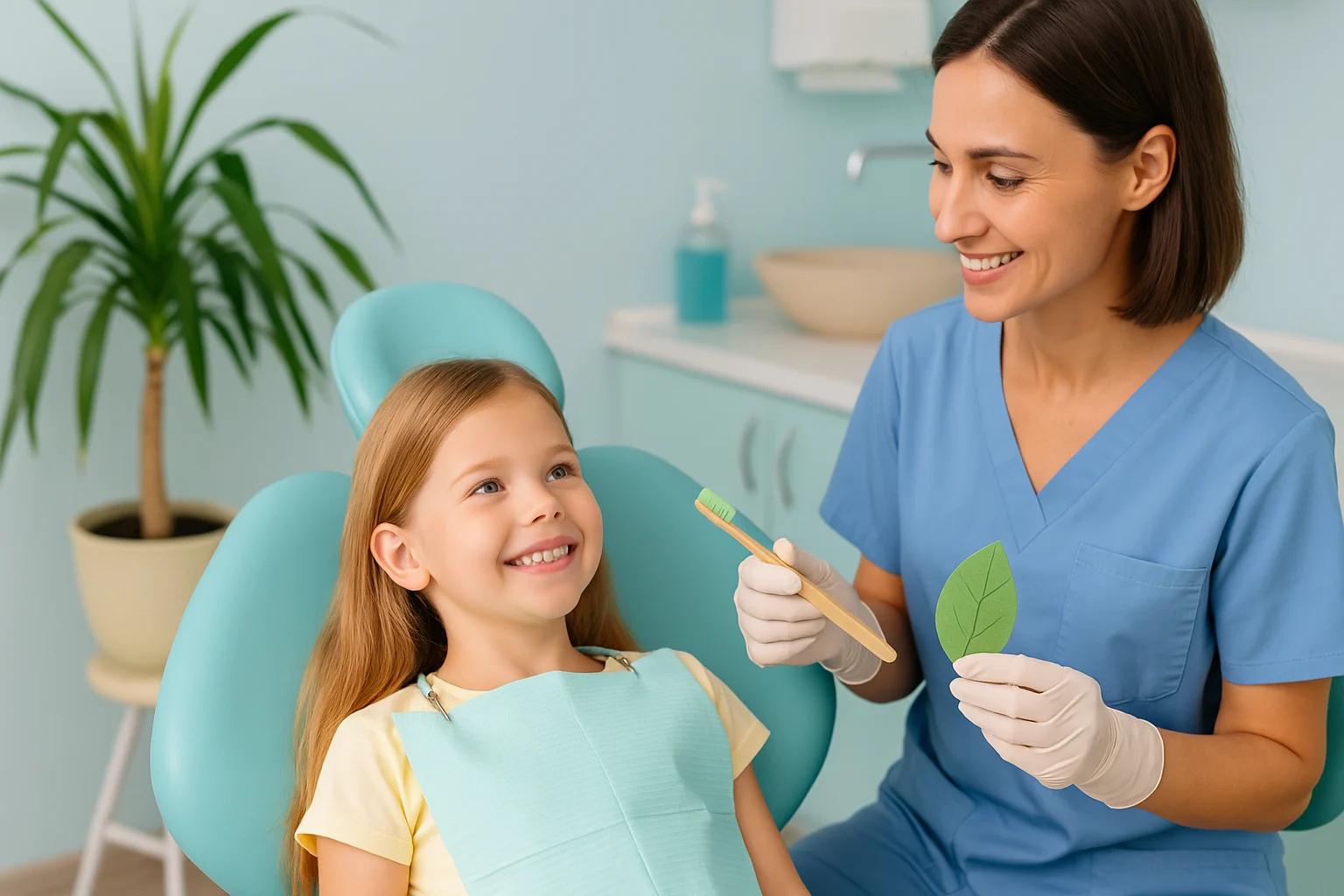
Transforming the Clinical Environment
Shifting Away from the Single-Use Culture
For decades, the standard for hygiene in medical and dental settings has been synonymous with "disposable." In a busy pediatric dental office, the daily volume of waste generated is staggering when you consider every plastic cup, patient bib, barrier film, and suction tip used for just one appointment. While infection control remains the non-negotiable top priority, the modern approach to pediatric dentistry is finding a balance that maintains rigorous safety standards while significantly reducing the carbon footprint. This evolution involves a conscious shift away from traditional petrochemical plastics toward biodegradable and compostable alternatives.
The industry is seeing a surge in the adoption of plant-based barriers and paper products that serve the same hygienic function but break down much faster after disposal. Instead of the standard plastic-backed bibs that linger in landfills for centuries, forward-thinking offices are switching to bibs made from recycled paper fibers or compostable bioplastics. Even the cups used for rinsing are transitioning from plastic or wax-coated paper to fully biodegradable options. These may seem like minor adjustments in isolation, but when multiplied by the thousands of patients seen annually, the reduction in plastic waste is monumental.
Furthermore, the approach to sterilization is being reimagined. The traditional method involves wrapping instruments in plastic-paper pouches that are discarded after a single use. Newer protocols involve using reusable, medical-grade cloth wraps or specialized sterilization cassettes that protect instruments without generating excess trash. This does not compromise sterility; rather, it modernizes the process. By optimizing how inventory is managed and reducing unnecessary packaging, dental practices are proving that high-quality healthcare does not have to come at the expense of the environment. It is a holistic strategy where the health of the patient and the health of the planet are viewed as interconnected systems.
Behind the Scenes: Digital Imaging and Resource Management
Beyond the physical waste visible in the treatment room, significant environmental improvements are happening behind the scenes, particularly in radiology and water management. Historically, taking dental X-rays was a chemically intensive process involving fixer and developer solutions, lead foils, and plastic film mounts. The transition to digital radiography has virtually eliminated the need for these hazardous chemicals, removing a significant source of toxic waste from the dental workflow. This technological leap offers a dual benefit: it protects the local water supply from chemical runoff and substantially lowers radiation exposure for the child, addressing parental concerns about safety while delivering immediate, high-resolution diagnostic images.
Water conservation is another critical pillar of the eco-friendly dental office. Traditional vacuum systems used in dentistry can consume hundreds of gallons of water per day. Modern dry vacuum systems, however, operate without using water to create suction, saving vast amounts of this precious resource annually. Additionally, the chemicals used to disinfect water lines and clean clinical surfaces are being scrutinized. Many offices are moving away from harsh, fume-heavy industrial cleaners in favor of electrolyzed water or enzyme-based cleaners. These alternatives are powerful against pathogens but break down into harmless saline or biodegradable components, ensuring that the air quality within the office remains pure—a vital consideration for children with asthma or chemical sensitivities.
| Feature | Traditional Approach | Eco-Conscious Approach | Benefit for the Child |
|---|---|---|---|
| X-Ray Technology | Chemical processing, higher radiation exposure | Digital sensors, instant imaging | Reduced radiation, less time in the chair |
| Surface Disinfection | Strong chemical agents, potential fumes | Electrolyzed water, enzymatic cleaners | Cleaner air, reduced risk of allergic reaction |
| Water Usage | High-consumption vacuum systems | Dry vacuum pumps, flow regulators | Teaches resource value, supports community sustainability |
| Waste Management | Heavy reliance on landfill-bound plastics | Recycling programs, biodegradable barriers | demonstrably safer environment for their future |
Safe and Sustainable Materials for Little Mouths
Prioritizing Biological Safety in Restorative Care
When we consider what goes into a child's mouth, the intersection of biological safety and environmental sustainability becomes very clear. In the past, durability was the sole metric for dental materials, often leading to the use of components that, while strong, raised questions regarding long-term biocompatibility. Today, the focus has shifted toward "bio-active" and "bio-inert" materials that are not only safe for the patient but also less taxing on the environment during manufacturing and disposal. A primary example of this is the move toward BPA-free composite resins and sealants. Bisphenol A (BPA) is a chemical that has drawn concern regarding its potential effects on developmental health. By choosing BPA-free alternatives, dentists eliminate this risk, ensuring that the materials used to repair a cavity or seal a tooth are as chemically neutral as possible.
This philosophy extends to the "non-toxic" movement within dentistry. The oral mucosa is highly absorbent, meaning that substances placed in the mouth can enter the bloodstream. Therefore, using materials that are free from heavy metals and unnecessary synthetic additives is paramount for pediatric patients whose systems are still developing. Modern glass ionomer cements, for instance, are often preferred because they bond chemically to the tooth structure, releasing fluoride to help remineralize the tooth, and are generally more biocompatible than older amalgam fillings.
Furthermore, the manufacturing processes for these modern materials are often designed to be greener, with lower energy consumption and less toxic byproduct generation. By selecting these advanced materials, dental professionals are making a statement that the cure should not be worse than the disease. It is about taking a precautionary approach, choosing materials that mimic nature in both function and composition, thereby safeguarding the child’s systemic health while supporting a market demand for cleaner, safer medical manufacturing.
Embracing Plant-Based Alternatives for Daily Hygiene
The toothbrush is perhaps the most iconic symbol of oral hygiene, yet it is also a significant contributor to the global plastic crisis. Billions of plastic toothbrushes are discarded every year, destined to float in oceans or sit in landfills for centuries. For conscientious parents, switching to plant-based dental tools offers an immediate and impactful way to reduce this waste. Bamboo toothbrushes have emerged as the leading alternative. Bamboo is an incredibly fast-growing grass that requires no fertilizer or pesticides and regenerates from its own roots, making it a highly renewable resource.
Beyond the environmental metrics, there is a sensory and safety advantage to these natural materials. Parents often find that the smooth, organic texture of a bamboo or corn-starch-based handle feels warmer and more natural in a child's hand compared to slick, cold plastic. These brushes are now available with soft, BPA-free nylon bristles or even bio-based bristles, ensuring that the cleaning efficacy matches that of traditional brushes. When the brush reaches the end of its lifespan, the handle can be composted (with bristles removed), returning to the earth rather than polluting it.
This shift extends to other hygiene aids as well. Floss picks, often essential for parents flossing a toddler's teeth, are traditionally single-use plastics. Now, brands offer picks made from corn starch or other plant starches that are industrially compostable. Even floss itself is being reinvented, with natural silk or plant-fiber options coated in beeswax instead of synthetic wax, packaged in refillable glass containers. These products eliminate the "forever trash" aspect of daily hygiene. Introducing children to these items also serves as a tactile lesson in sustainability; using a "wood" toothbrush sparks curiosity and conversation about nature, turning a mundane chore into a connection with the natural world.
Nurturing Habits for a Greener Future
Cultivating Environmental Stewardship Through Dental Habits
Pediatric dentistry is unique in that it relies heavily on education and behavior modification. This provides a perfect platform for integrating environmental stewardship into daily routines. The lesson is simple: healthy teeth and a healthy planet go hand in hand. One of the most impactful habits a child can learn is water conservation during brushing. It is a common habit for children to leave the tap running while they brush, wasting gallons of clean water every day. Dental professionals and parents can reframe this not just as a rule, but as a mission. By turning off the tap, the child becomes a "water protector," saving resources for fish and wildlife.
This educational approach transforms the child’s perspective on consumption. When a child learns that their toothpaste comes in a recyclable aluminum tube or a glass jar rather than a plastic pump, they begin to understand that packaging choices matter. Tablets are another exciting innovation—chewable toothpaste tabs that require zero water and come in plastic-free packaging. These are not only fun for kids to use (creating a "fizzing" sensation) but also eliminate the messy, non-recyclable toothpaste tubes that clutter bathroom drawers.
Moreover, framing these choices as positive actions empowers children. Instead of feeling restricted, they feel involved. The narrative changes from "I have to brush my teeth" to "I am taking care of myself and the earth." This holistic view fosters a sense of responsibility that extends beyond the bathroom sink. When children understand the lifecycle of their toothbrush or the value of the water they use, they develop a mindfulness that they will carry into adulthood. It turns the routine of oral hygiene into a daily practice of gratitude and conservation, proving that even small hands can make a big difference.
| Product Category | Conventional Option | Sustainable Alternative | User Experience & Impact |
|---|---|---|---|
| Toothbrushes | Plastic handle, synthetic packaging | Bamboo or corn-starch handle | Warm texture, compostable handle, reduces landfill waste |
| Flossing Tools | Single-use plastic picks | Corn-starch picks or natural silk floss | Same ease of use, plastic-free disposal |
| Toothpaste | Non-recyclable plastic tubes | Tablets, glass jars, aluminum tubes | Fun "fizzing" tabs, zero-waste packaging |
| Water Habits | Tap running continuously | "Turn off the tap" technique | Saves up to 8 gallons of water a day per household |
Q&A
-
What are biodegradable dental products and how do they benefit the environment?
Biodegradable dental products are items used in dental care that can decompose naturally without causing harm to the environment. These products, such as bamboo toothbrushes and compostable floss, reduce the amount of waste that ends up in landfills. By opting for biodegradable alternatives, dental practices can significantly lessen their ecological footprint and promote sustainability.
-
How can dental offices implement green practices to contribute to environmental conservation?
Green dental office practices include utilizing energy-efficient lighting, installing water-saving devices, and recycling dental materials. Offices can also reduce paper use by transitioning to digital records and communications. These measures help decrease resource consumption and minimize the environmental impact of dental operations.
-
Why is it important to use non-toxic materials for kids' dental products?
Non-toxic materials are crucial for children's dental products because they ensure safety and reduce the risk of exposure to harmful chemicals. Products like BPA-free toothbrushes and fluoride-free toothpaste protect children's health while still effectively maintaining oral hygiene. Using non-toxic materials aligns with a commitment to providing safe and healthy options for young patients.
-
What strategies can be employed to reduce plastic waste in dentistry?
Dentists can reduce plastic waste by switching to reusable or compostable alternatives for common items like cups, bibs, and suction tips. Encouraging patients to bring their own reusable containers for dental care products and offering refill stations for items like mouthwash can further decrease reliance on single-use plastics.
-
How can sustainable patient education promote environmentally conscious prevention?
Educating patients about sustainable practices can empower them to make eco-friendly choices in their daily oral care routines. Dentists can provide information on the benefits of using sustainable products, proper disposal of dental waste, and the environmental impact of their choices. This education fosters a culture of environmental responsibility and encourages patients to adopt practices that prevent harm to the environment.