
Harnessing Elastic Dynamics: A New Era in Orthodontics
In the evolving landscape of orthodontics, the dynamics of specialized bands used for alignment have become a pivotal aspect of treatment planning. Advances in material science are reshaping the methodology, offering enhanced precision and adaptability to practitioners striving for optimal dental alignment results.
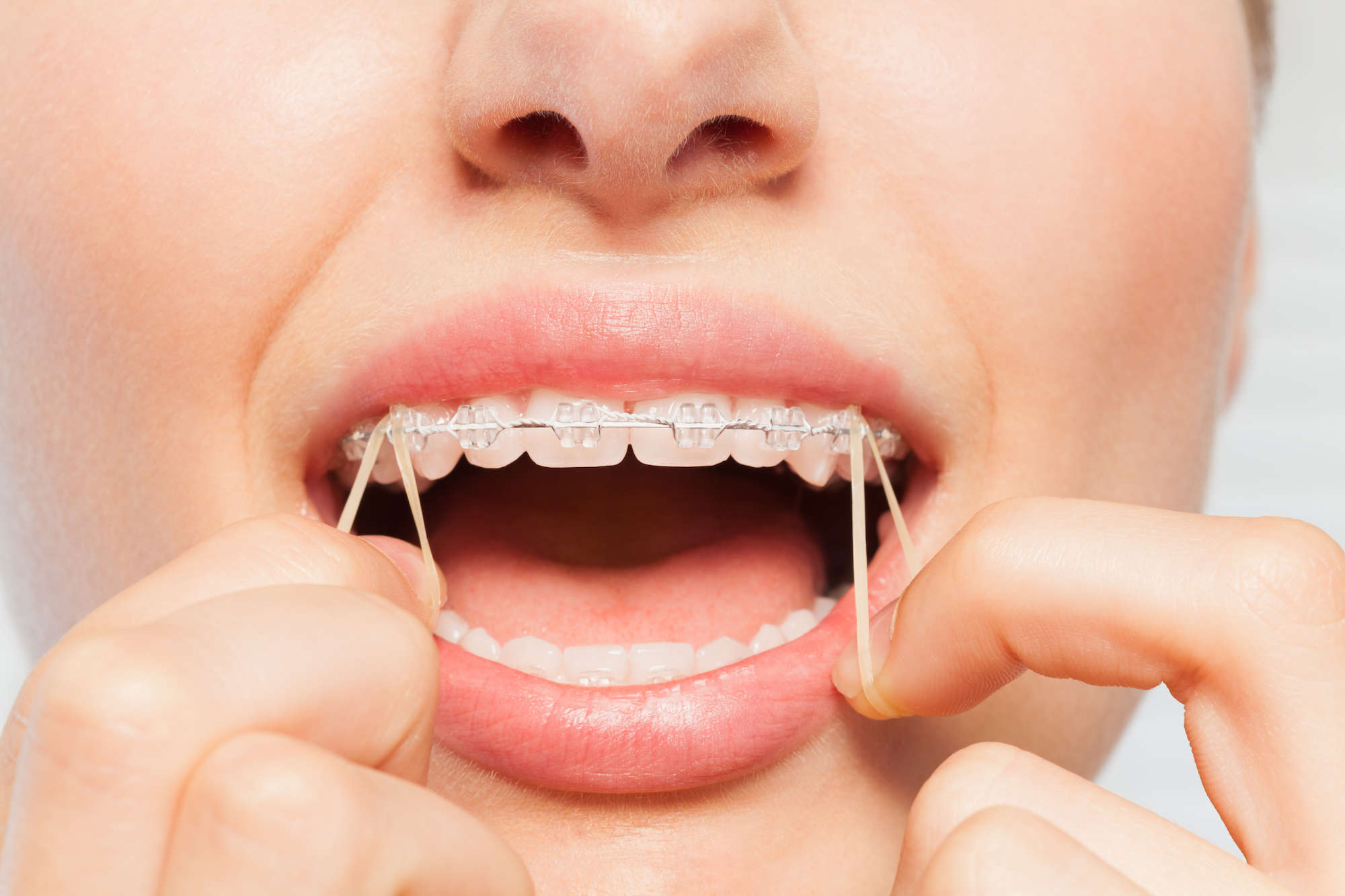
Orchestrating Precision Movement
The Geometry of Alignment
In the intricate world of orthodontic mechanics, the application of external force is rarely a straight line. The concept of vector control is fundamental to understanding how a simple loop of elastomer can correct complex bite discrepancies. When a practitioner prescribes a specific configuration—connecting the upper canine to the lower molar, for example—they are not merely linking two points. They are establishing a precise vector that calculates the vertical and horizontal components of force required to shift the skeletal and dental relationship into harmony. This involves a three-dimensional strategy where the angle of application dictates the physiological response of the periodontal ligament and the surrounding bone structure.
The geometric shapes formed by these bands, such as triangles or trapezoids, are chosen with specific biomechanical goals in mind. A triangular configuration is frequently employed to encourage the "settling" of the bite, pulling the upper and lower teeth together vertically to ensure maximum contact, a process known as interdigitation. This is particularly crucial in the finishing stages of therapy to close any remaining minor gaps between the dental arches. Conversely, a Class II configuration, which stretches from the front of the upper jaw to the back of the lower jaw, creates a horizontal vector designed to correct an overjet. The science lies in balancing these directional forces so that the teeth move bodily through the bone rather than just tipping, which requires a deep understanding of the center of resistance for each tooth or segment of teeth.
Furthermore, the strategic placement of hooks and attachment points acts as the anchor system for these vectors. A difference of just a few millimeters in hook placement can significantly alter the angle of pull, changing a force that corrects a bite into one that might inadvertently open it. Modern treatment planning often utilizes digital simulations to predict these vector outcomes, allowing for a highly customized approach. By manipulating the geometry, orthodontists can counteract side effects like the extrusion of molars or the dumping of incisors, ensuring that the biological movement aligns perfectly with the aesthetic goals of the treatment plan.
Strategic Application of Biomechanical Forces
The effectiveness of any orthodontic correction relies heavily on the magnitude and duration of the pressure applied. It is a common misconception that "more is better." In reality, the biological environment of the oral cavity responds best to optimal, continuous force levels. If the tension is too high, it can lead to hyalinization, a condition where the blood supply to the periodontal ligament is cut off, effectively stalling tooth movement and potentially causing root resorption. On the other hand, force that is too low may fail to stimulate the necessary cellular activity—specifically the osteoclasts and osteoblasts—that remodels the bone to allow tooth migration.
| Feature | Natural Rubber (Traditional) | Synthetic Polymer (Modern) |
|---|---|---|
| Force Profile | High initial impact, rapid decay | Consistent, gentle delivery |
| Environment Resistance | High absorption of saliva/enzymes | Hydrophobic, resists swelling |
| Allergenic Potential | Risk of protein-based reactions | Hypoallergenic and inert |
| Surface Texture | Micro-porous, bacteria retention | Smooth, plaque-resistant |
| Aesthetic Appearance | Opaque, yellowish tint | Clear, stain-resistant |
This delicate balance is further complicated by the degradation of the elastic material itself. Once introduced to the oral environment, the clock starts ticking. The warm, moist conditions, combined with the enzymatic activity of saliva and the mechanical stress of chewing and speaking, cause the material to relax. This phenomenon, known as stress relaxation, means that the force delivered by the band diminishes over time. To counteract this, protocols must be established that account for the decay curve of the specific material being used. The goal is to maintain the force within the "therapeutic window" for as long as possible between changes, ensuring that the cellular machinery responsible for moving teeth remains active without being overwhelmed.
Material Evolution and Force Consistency
Navigating the Shift to Synthetic Compounds
For decades, the orthodontic industry relied heavily on natural latex harvested from rubber trees. While this material offers excellent flexibility and a high range of motion, it comes with significant drawbacks that modern science has sought to address. The most pressing issue has been the prevalence of latex allergies, which can range from mild oral irritation to severe systemic reactions. This biological incompatibility forced a re-evaluation of standard materials, driving the innovation toward synthetic alternatives. However, the transition was not merely about safety; it was also about performance stability in a chemically hostile environment.
Natural latex is hydrophilic, meaning it tends to absorb water. In the mouth, this absorption leads to swelling and a rapid breakdown of the polymer chains, resulting in a significant loss of elasticity within hours of application. This creates a "sawtooth" effect in force delivery: a spike of heavy force immediately after a fresh band is placed, followed by a quick drop-off. Modern synthetic elastomers, often based on polyurethane or polyester formulations, are engineered to be hydrophobic and chemically inert. These advanced materials resist the absorption of oral fluids, allowing them to maintain their structural integrity for much longer periods.
The molecular architecture of these synthetic bands is designed to provide what is known as a "flatter force-deflection curve." Instead of the erratic high-to-low force profile of latex, synthetics deliver a more constant, gentle pressure over an extended duration. This consistency is crucial for biological efficiency. It reduces the shock to the teeth upon insertion and minimizes the periods of inactivity caused by material fatigue. Furthermore, the manufacturing process for synthetics eliminates the inconsistencies found in natural products, ensuring that every band in a pack delivers the exact caliber of force specified, providing a predictable variable in the complex equation of treatment planning.
Combating Tension Loss in Oral Environments
The challenge of maintaining constant tension is one of the greatest hurdles in orthodontic mechanics. From the moment an elastomer is stretched between two hooks, it begins to undergo hysteresis—a loss of energy within the material. In the context of the mouth, this is accelerated by thermal cycling; hot coffee, cold ice cream, and body temperature fluctuations constantly expand and contract the polymer. Traditional materials might lose up to half of their effective strength within the first 12 hours. This degradation poses a clinical problem: if the force drops below the threshold required to move the tooth, the treatment effectively pauses until the patient replaces the band.
To mitigate this, modern protocols and material engineering have focused on "force memory." Advanced elastomers are manufactured to possess a higher degree of resilience, allowing them to return to their original shape even after prolonged stretching. This reduces the frequency of required changes and smooths out the treatment trajectory. Instead of the teeth experiencing a "start-stop" motion, they are subjected to a continuous, low-level guide. This approach is not only more biologically sound but also significantly more comfortable for the patient, as it avoids the soreness associated with the sudden high-force jolt of changing into fresh, rapidly degrading bands.
| Scenario | Recommended Action | Reason for Protocol |
|---|---|---|
| During Meals | Remove temporarily | Prevents swallowing and inconsistent force spikes due to chewing. |
| Tooth Brushing | Remove and clean hooks | Ensures hygiene and prevents bacteria from being trapped under the band. |
| Broken Band | Replace both sides immediately | Maintains symmetrical force; replacing only one creates an imbalance. |
| Mild Soreness | Continue wearing | Discomfort usually signals active movement; stopping interrupts the process. |
| Bedtime | Fresh bands required | Night is the longest uninterrupted period for biological remodeling. |
Additionally, the surface characteristics of these materials play a role in their longevity. Smoother, non-porous surfaces reduce the accumulation of plaque and biofilm, which can degrade the material chemically. By engineering the microscopic texture of the bands, manufacturers have created products that are not only hygienic but also retain their mechanical properties by resisting the chemical attacks of oral bacteria. This synergy of chemistry and physics allows for a treatment mechanic that is robust enough to withstand the oral environment yet gentle enough to facilitate healthy tooth movement.
The Partnership Between Patient and Protocol
Routine as a Treatment Accelerator
Unlike fixed appliances like brackets and wires, which work independently of the patient's daily actions, the efficacy of removable force components is entirely reliant on user compliance. This variable introduces a significant human element into the biomechanical equation. The biological reality is that tooth movement requires a sustained threshold of pressure to stimulate bone remodeling. If the force is intermittent—applied for a few hours and then removed—the tissues revert to a resting state, and the progress made is often lost as the periodontal fibers recoil. This phenomenon explains why the standard recommendation hovers around 20 to 22 hours of wear per day.
The concept of "habit stacking" becomes a critical tool for success. By anchoring the habit of replacing bands to established daily routines—such as after brushing teeth or following a meal—patients can seamlessly integrate the therapy into their lives. The psychology of compliance is just as important as the physiology. Visual aids, such as tracking apps or progress photos, help bridge the gap between the daily inconvenience and the long-term reward. When patients understand that every hour of wear contributes to a cumulative biological effect, the "passive" act of wearing the bands becomes an active participation in their own healthcare.
Furthermore, the integrity of the force vector depends on the patient attaching the bands to the correct anchor points. A misunderstanding of the configuration (e.g., connecting the wrong hooks) can result in antagonistic forces that move teeth in the opposite direction of the plan. Therefore, education and clear communication are paramount. Simplification of the regimen, color-coded maps, and immediate feedback loops during clinic visits ensure that the mechanical advantage provided by the appliance is not negated by user error. The partnership is defined by a mutual understanding: the clinician provides the blueprint and the tools, but the patient is the builder who must show up to the site every day.
Psychology and Habit Formation
The initial phase of introducing these mechanics often involves a period of adaptation. The sensation of tension, coupled with the restriction of jaw movement, can be physically and mentally taxing. It is during this critical window that dropout rates are highest. To combat this, modern clinical approaches often involve a "step-up" protocol, beginning with lighter, more flexible bands to allow the patient to acclimate to the sensation before graduating to the therapeutic strength required for significant movement. This graduated exposure helps desensitize the periodontal ligaments and reduces the perceived burden of the treatment.
Beyond the physical sensation, the psychological aspect of "ownership" drives compliance. When patients view the bands not as a restriction imposed by the doctor, but as a tool they control to speed up their own treatment, adherence improves. Gamification elements in mobile applications, which track streaks of compliance or estimate the reduction in treatment time based on usage, tap into the reward centers of the brain. This shifts the narrative from a chore to a challenge.
Ultimately, the consistency of wear dictates the stability of the result. Irregular wear patterns can cause a "jiggling" effect on the teeth, which can be detrimental to the root structure and loosen the teeth without actually moving them to the desired position. Establishing a robust psychological framework that prioritizes consistency over intensity ensures that the biological systems are constantly engaged. It transforms the patient from a passive recipient of care into the primary driver of the treatment's velocity, proving that in the world of orthodontics, the most powerful force is often the patient's own dedication.
Q&A
-
What is Elastic Force Degradation and how does it impact orthodontic treatments?
Elastic Force Degradation refers to the gradual loss of force in orthodontic elastics over time. This can significantly impact treatment outcomes by reducing the effectiveness of the applied forces, potentially leading to longer treatment times and less predictable tooth movement. Managing this degradation is crucial for maintaining the desired force levels necessary for effective orthodontic corrections.
-
How does Intermaxillary Vector Control contribute to successful orthodontic outcomes?
Intermaxillary Vector Control involves managing the direction and magnitude of forces applied between the upper and lower jaws. Proper control is essential for aligning teeth and correcting bite discrepancies. By accurately directing these forces, orthodontists can achieve more precise tooth movements and improve overall treatment efficiency.
-
Why is Compliance Dependent Mechanics important in orthodontics?
Compliance Dependent Mechanics refers to the reliance on patient adherence to prescribed treatment protocols, such as wearing elastics as directed. Patient compliance is crucial as it directly affects the success of the treatment. Non-compliance can lead to suboptimal results, extended treatment times, and even the need for additional interventions.
-
What are the benefits of using Latex Free Elastomers in orthodontic treatments?
Latex Free Elastomers are beneficial as they reduce the risk of allergic reactions for patients sensitive to latex. These elastomers provide an alternative that maintains the necessary mechanical properties for effective orthodontic force application while ensuring patient safety and comfort.
-
How do Elastic Wear Protocols influence the effectiveness of occlusal correction forces?
Elastic Wear Protocols refer to the guidelines and schedules for how elastics should be worn during orthodontic treatment. Adhering to these protocols is critical for ensuring that occlusal correction forces are applied consistently and effectively. Proper wear can enhance the precision of tooth movements and contribute to achieving the desired occlusal outcomes in a timely manner.