
Revolutionizing Orthodontics: The Future of Customized Braces
In the rapidly advancing world of orthodontics, innovations are setting new paradigms by blending clinical expertise with cutting-edge technology. Emerging practices are enhancing precision and efficiency, dramatically reshaping traditional care approaches. As personalized methodologies gain prominence, a seamless integration is transforming how dental professionals address unique anatomical needs.
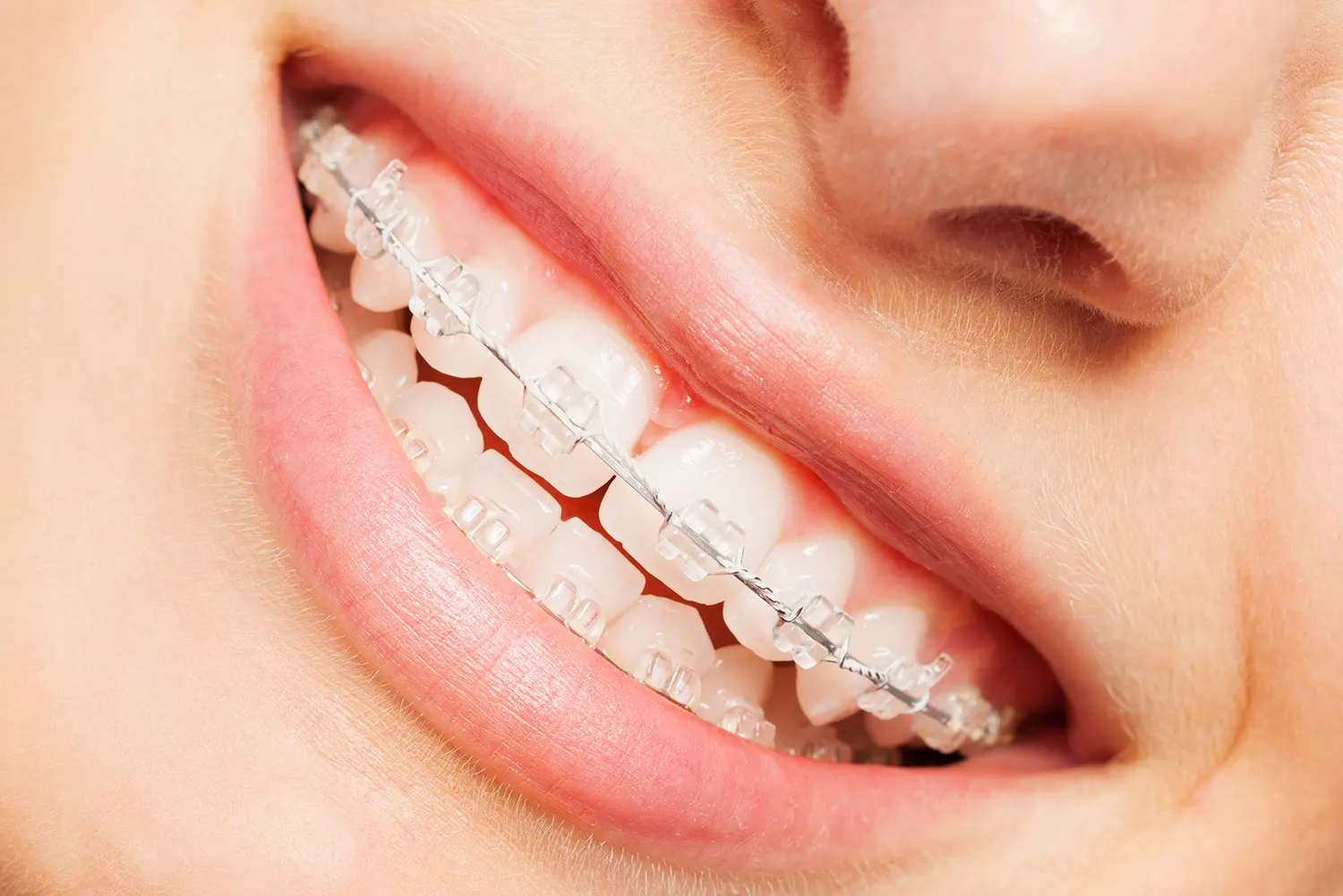
Precision Engineering Meets Human Anatomy
The End of the "One-Size-Fits-All" Approach
For decades, orthodontic treatment relied heavily on standardized hardware. Practitioners would select from a range of mass-produced brackets—the small metal or ceramic squares attached to teeth—that were designed based on average tooth shapes. While effective, this approach often required significant manual manipulation to account for the unique biological variances found in every patient. Today, the landscape has shifted entirely toward bespoke solutions. By utilizing high-resolution intraoral scanners, clinicians can capture a complete digital map of a patient's mouth, down to the micron. This data drives the creation of appliances that are not merely selected from a box but are manufactured specifically for the individual’s unique dental topography.
The primary advantage of this tailored approach is the unprecedented level of fit. When an appliance is designed to match the exact curvature and irregularities of a specific tooth surface, the bond is stronger, and the profile of the device can be lowered. This reduction in bulk significantly enhances patient comfort, minimizing the irritation to the cheeks and lips that was once considered an unavoidable rite of passage for brace wearers. Furthermore, because the hardware is perfectly adapted to the anatomy, the mechanical forces applied to move the teeth are delivered more accurately. This precision reduces the risk of unintended tooth movements, known as "round-tripping," where a tooth might be moved back and forth unnecessarily during the alignment process.
This technological leap also enables the use of advanced materials that mimic natural biological structures. Recent developments in additive manufacturing allow for appliances with variable densities—rigid where strength is needed to endure chewing forces, yet softer in areas that contact sensitive soft tissues. This "gradient structure" represents a move away from purely mechanical correction toward a more bio-responsive form of therapy, ensuring that the device works in harmony with the body rather than just exerting force upon it.
| Feature | Mass-Produced Systems | Digitally Tailored Systems |
|---|---|---|
| Fit Precision | Standardized bases requiring adhesive compensation | Anatomical match to tooth surface |
| Profile & Comfort | Often bulky; higher friction with soft tissue | Low profile; minimized irritation |
| Force Application | Generic force vectors requiring manual tuning | Calculated vectors specific to treatment goals |
| Failure Rate | Higher risk of bracket detachment | Superior bonding strength due to custom fit |
Efficiency from Lab to Chairside
Streamlining the Patient Experience
One of the most profound impacts of digital customization is the dramatic reduction in "chair time"—the actual time a patient spends sitting with their mouth open during an appointment. In traditional setups, the orthodontist had to manually position each bracket by eye and then spend considerable time at every subsequent visit bending wires with pliers to fine-tune the tooth movement. This process was not only time-consuming but also relied heavily on the manual dexterity and subjective judgment of the clinician at that specific moment.
Modern systems utilize comprehensive digital planning before the patient even arrives for the bonding appointment. Software algorithms calculate the optimal position for every bracket to achieve the final projected smile. Once this digital setup is approved, the physical brackets are loaded into custom-made placement guides. These guides allow the orthodontist to adhere all brackets simultaneously in their perfect pre-calculated positions, rather than one by one. This transfer process eliminates the guesswork and significantly speeds up the initial application.
Furthermore, the wires used to align the teeth are no longer generic arches that must be constantly adjusted. Instead, robotically bent wires are fabricated to match the patient's specific arch form and the targeted final position. Because the wire is engineered to guide the teeth directly to their destination without the need for constant manual "detours" or adjustments, the biological response is often smoother. Patients frequently report shorter appointment durations and, in many cases, a reduction in the total number of visits required to complete their treatment. This efficiency respects the modern patient's busy lifestyle, transforming orthodontics from a burdensome monthly chore into a streamlined process.
Dispelling Myths About Modern Correction
Strength, Value, and the Reality of Custom Care
Despite the clear clinical advantages, several misconceptions persist regarding customized orthodontic systems. A common myth is that these high-tech solutions are purely aesthetic—designed solely to be invisible or "luxury" items without adding functional value. Others assume that because the technology relies on 3D printing or polymers, the appliances must be fragile compared to traditional metal braces. However, the reality is quite the opposite. The engineering behind these devices focuses heavily on durability and biomechanics.
Because the components are designed based on finite element analysis—a method used in engineering to predict how materials react to stress—custom appliances are often structurally superior to their generic counterparts. They are reinforced exactly where the chewing forces are highest for that specific patient. This results in fewer emergency appointments for broken brackets or snapped wires. The perception that custom options are merely a "splurge" ignores the value of time saved and the predictability of the outcome. When a treatment plan is built on exact anatomical data, the path to the finish line is linear, avoiding the trial-and-error phases that can prolong traditional treatment.
Moreover, the psychological barrier to treatment is lowered. The elimination of physical impressions (the uncomfortable putty trays) in favor of digital scanning removes a major source of anxiety for patients with sensitive gag reflexes. By combining superior physical properties with a patient-centric workflow, customized systems are proving that advanced technology is not just about looking good—it is about providing a robust, reliable, and scientifically sound medical treatment.
| Aspect | Myth/Misconception | Reality of Custom Systems |
|---|---|---|
| Durability | "Printed or custom parts break easily." | Engineered via stress analysis to be highly durable and break-resistant. |
| Functionality | "It's only for minor cosmetic fixes." | Capable of handling complex bite corrections and severe misalignments. |
| Cost-Benefit | "It's just an expensive luxury." | Higher upfront precision often reduces total treatment time and office visits. |
| Target Audience | "Only for adults who want invisible braces." | Suitable for all ages, including teens requiring complex developmental guidance. |
Q&A
-
What are Patient Specific Brackets and how do they benefit orthodontic treatment?
Patient Specific Brackets are custom-made orthodontic brackets tailored to fit the unique dental anatomy of each patient. These brackets improve treatment precision and comfort by ensuring optimal alignment and pressure distribution, which can lead to faster treatment times and better overall outcomes.
-
How do Indirect Bonding Trays enhance the process of applying orthodontic brackets?
Indirect Bonding Trays streamline the application of orthodontic brackets by allowing for precise placement in a controlled lab environment before being transferred to the patient's mouth. This method reduces chair time, increases accuracy, and minimizes discomfort during the bonding procedure.
-
What role does Individualized Archwire Bending play in orthodontic treatments?
Individualized Archwire Bending involves customizing the shape and tension of archwires to suit the specific dental requirements of a patient. This tailored approach helps in achieving more precise tooth movements, enhances treatment efficiency, and can potentially reduce the overall duration of orthodontic care.
-
In what ways are 3D Printed Appliances revolutionizing orthodontic practices?
3D Printed Appliances offer a high level of customization and precision in orthodontic treatments. These appliances can be produced quickly and accurately, allowing for personalized treatment plans that improve patient comfort and treatment outcomes. Additionally, 3D printing technology can reduce costs and production times for orthodontic devices.
-
How does Digital Setup Integration facilitate chairside customization in orthodontics?
Digital Setup Integration allows orthodontists to use advanced software to design and simulate treatment plans before implementation. This technology supports chairside customization by enabling quick adjustments and modifications to appliances, ensuring that treatment is accurately aligned with the patient's evolving dental needs.