
The Multifaceted World of Root Canal Therapy: Modern Techniques and Innovations
Delving into contemporary dental practices, one finds a fascinating array of methods emphasizing precision and innovation. Techniques harnessing enhanced cleaning agents and cutting-edge devices drive the evolution of tooth-saving treatment processes. These advancements offer improved outcomes, ensuring effective care while addressing intricate dental challenges with finesse.
The Science of Interior Purification
Navigating the Complex Canal Network
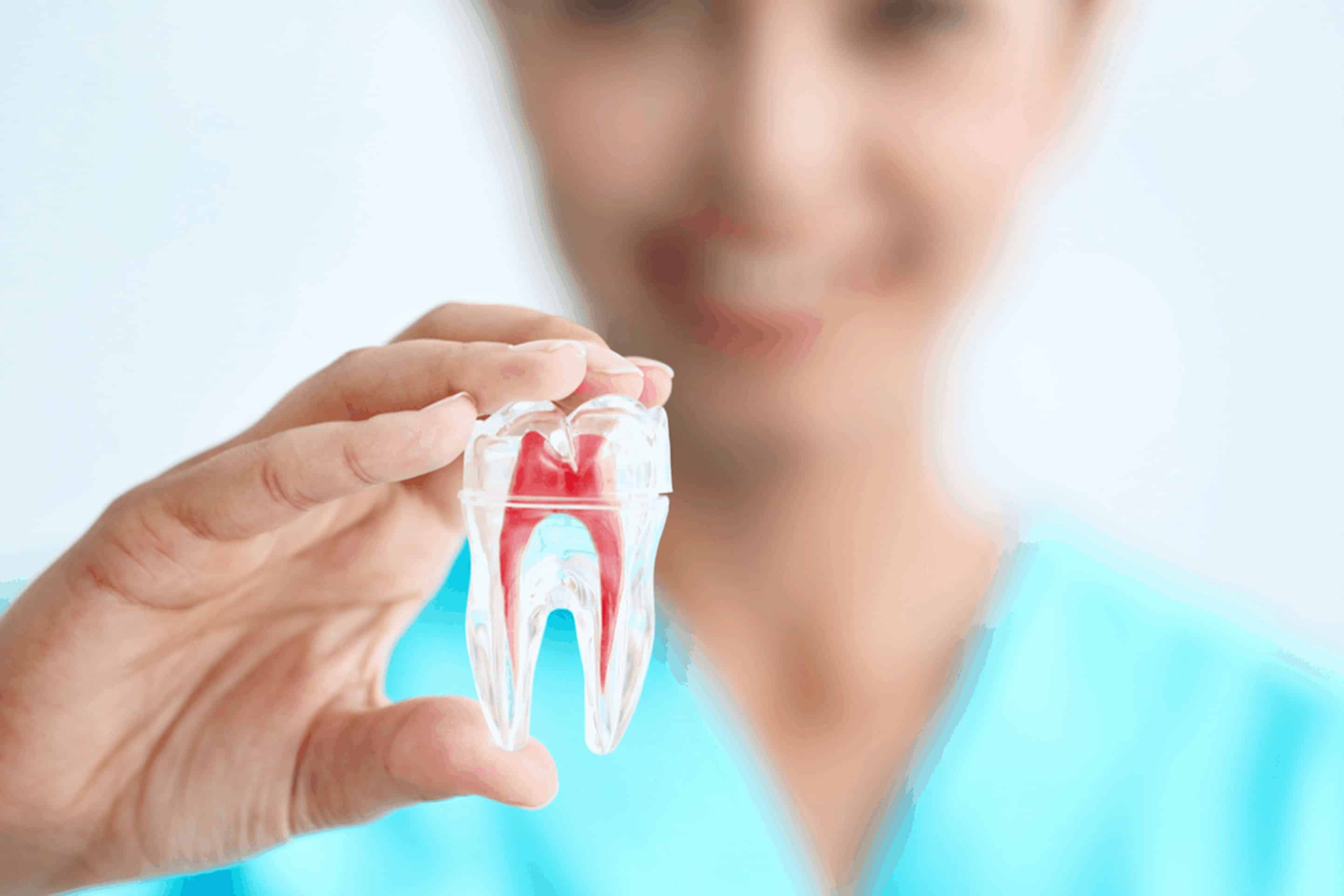
In the realm of modern endodontics, the initial challenge lies in the anatomy of the tooth itself. Contrary to the simplified diagrams often seen in textbooks, the internal root system is rarely a straight, uniform pipe. It often resembles a complex cave system, featuring sharp curves, intricate branching, and web-like meshes. Traditional stainless steel instruments, while effective for straight paths, often struggled to navigate these irregularities without altering the natural shape of the canal. Today, the industry has shifted toward highly flexible alloy instruments. These advanced tools can snake through curved roots, physically removing the infected soft tissue without damaging the surrounding structural walls.
However, mechanical preparation is only half the battle. Even the most sophisticated physical instruments cannot reach every microscopic nook and cranny where bacteria reside. This is where the concept of chemical irrigation becomes paramount. If mechanical filing is akin to scrubbing a floor, chemical irrigation is the deep-cleaning enzymatic soak. Specialized antiseptic solutions, such as sodium hypochlorite, are introduced into the canal system. These fluids do not merely wash away debris; they actively dissolve organic tissue remnants and disrupt bacterial biofilms that adhere to the canal walls.
To ensure these cleaning agents reach the very tip of the root, practitioners often employ ultrasonic activation. This technique uses high-frequency vibrations to create microscopic bubbles and currents within the fluid, driving the disinfectant into lateral canals and isthmuses that manual tools can never touch. This dual approach—flexible mechanical shaping combined with active chemical disinfection—creates a pristine environment, significantly reducing the likelihood of reinfection.
| Feature | Mechanical Shaping | Chemical Irrigation |
|---|---|---|
| Primary Function | Physical removal of bulk tissue and shaping of the canal. | Dissolving microscopic organic debris and biofilms. |
| Reach | Limited to the main canal path accessible by instruments. | Penetrates lateral canals, fins, and microscopic irregularities. |
| Mechanism | Cutting and planing of dentin walls. | Chemical reaction and enzymatic breakdown of bacteria. |
Advanced Sealing Protocols
The Power of Heat and Hydraulics
Once the internal space is thoroughly disinfected and shaped, the focus shifts to creating a hermetic seal. The goal is to fill the empty void so completely that bacteria have no space to repopulate. Historically, this was achieved by jamming cold, solid cones of rubber-like material into the canal. While this method filled the main space, it often left tiny gaps between the filling material and the dentin walls, or failed to fill lateral branches, potentially leading to future failure.
Modern techniques have revolutionized this step through the application of heat. By warming the biocompatible filling material—often a substance known as gutta-percha—it transitions from a solid state to a pliable, semi-liquid form. When compressed vertically, this softened material flows hydraulically, much like warm wax. It moves under pressure to fill the complex anatomies identified during the cleaning phase, capturing the intricate curves and irregularities of the root system.
This thermoplastic approach ensures that the filling material bonds intimately with the canal walls. When it cools, it solidifies into a dense, dimensionally stable mass that blocks the pathway from the root tip to the crown. This three-dimensional obturation is critical; it acts as a cork in a bottle, preventing fluids from the surrounding bone from entering the tooth and preventing any residual bacteria inside the tooth from leaking out. The result is a durable, watertight seal that serves as the primary defense against long-term treatment failure.
Restoring Structural Integrity
Building a Resilient Foundation
The final phase of the journey transitions from the internal root system to the visible portion of the tooth. A tooth that has undergone such extensive internal treatment often has less remaining natural structure, making it more brittle and prone to fracture under biting forces. Therefore, the restoration process is not merely about covering a hole; it is about engineering a new support system.
This process often begins with the creation of a core buildup foundation. If the remaining tooth structure is insufficient to hold a crown, a post may be inserted into the sealed canal to act as an anchor. Unlike the rigid metal posts of the past, which could cause root fractures due to their stiffness, modern fiber-reinforced posts are designed to mimic the elasticity of natural dentin. When stress is applied during chewing, these posts flex slightly with the tooth, distributing the energy evenly rather than concentrating it in one spot.
Composite resin materials are then used to build up the core around this post, filling the pulp chamber and creating a solid stump. This unit serves as the substructure for the final crown. By utilizing materials that bond chemically to the tooth and possess similar physical properties, the restored tooth functions as a monolithic unit. This bio-mimetic approach ensures that the tooth can withstand the daily rigors of grinding and chewing, extending the lifespan of the treatment and allowing the patient to retain their natural dentition for years to come.
Q&A
-
What is pulp extirpation, and why is it important in endodontic treatment?
Pulp extirpation is the process of removing the dental pulp, which consists of nerves, blood vessels, and connective tissue from the tooth. It is crucial in endodontic treatment as it helps eliminate infection and prevent further damage to the tooth, allowing for successful root canal therapy and preservation of the natural tooth structure.
-
How does sodium hypochlorite irrigation benefit endodontic procedures?
Sodium hypochlorite irrigation is used to disinfect the root canal system by dissolving organic tissue and killing bacteria. It plays a vital role in cleaning and shaping the canal, ensuring the removal of debris and reducing the risk of infection, thereby improving the success rate of endodontic treatments.
-
What role does gutta-percha obturation play in root canal therapy?
Gutta-percha obturation involves filling and sealing the cleaned and shaped root canal space with a biocompatible material called gutta-percha. This process is essential to prevent reinfection by sealing the canal against bacterial infiltration and maintaining the integrity of the tooth structure post-treatment.
-
How are endodontic files utilized during root canal treatments?
Endodontic files are instruments used to clean and shape the root canal system. They help in removing debris, shaping the canal for obturation, and facilitating irrigation solutions to reach all areas of the canal. Proper use of these files is critical to the success of the root canal therapy, as they ensure thorough cleaning and preparation of the canal.
-
Why is an electronic apex locator important in endodontic treatment?
An electronic apex locator is a device used to determine the working length of the root canal by locating the position of the apical constriction. Accurate measurement is crucial for effective cleaning, shaping, and filling of the canal, minimizing the risk of over-instrumentation or incomplete treatment, which can lead to treatment failure.