
Strength and Resilience: The Art of Bracket Bonding Optimization
Transformative innovations in appliance attachment design are enhancing dental treatments, promising a substantial leap forward in effectiveness. Cutting-edge methods now address the intricate challenges of maintaining attachment integrity, significantly improving durability and reducing the frequency of complications associated with wet environments and delicate surfaces. These advancements mark a pivotal shift in dental care reliability.
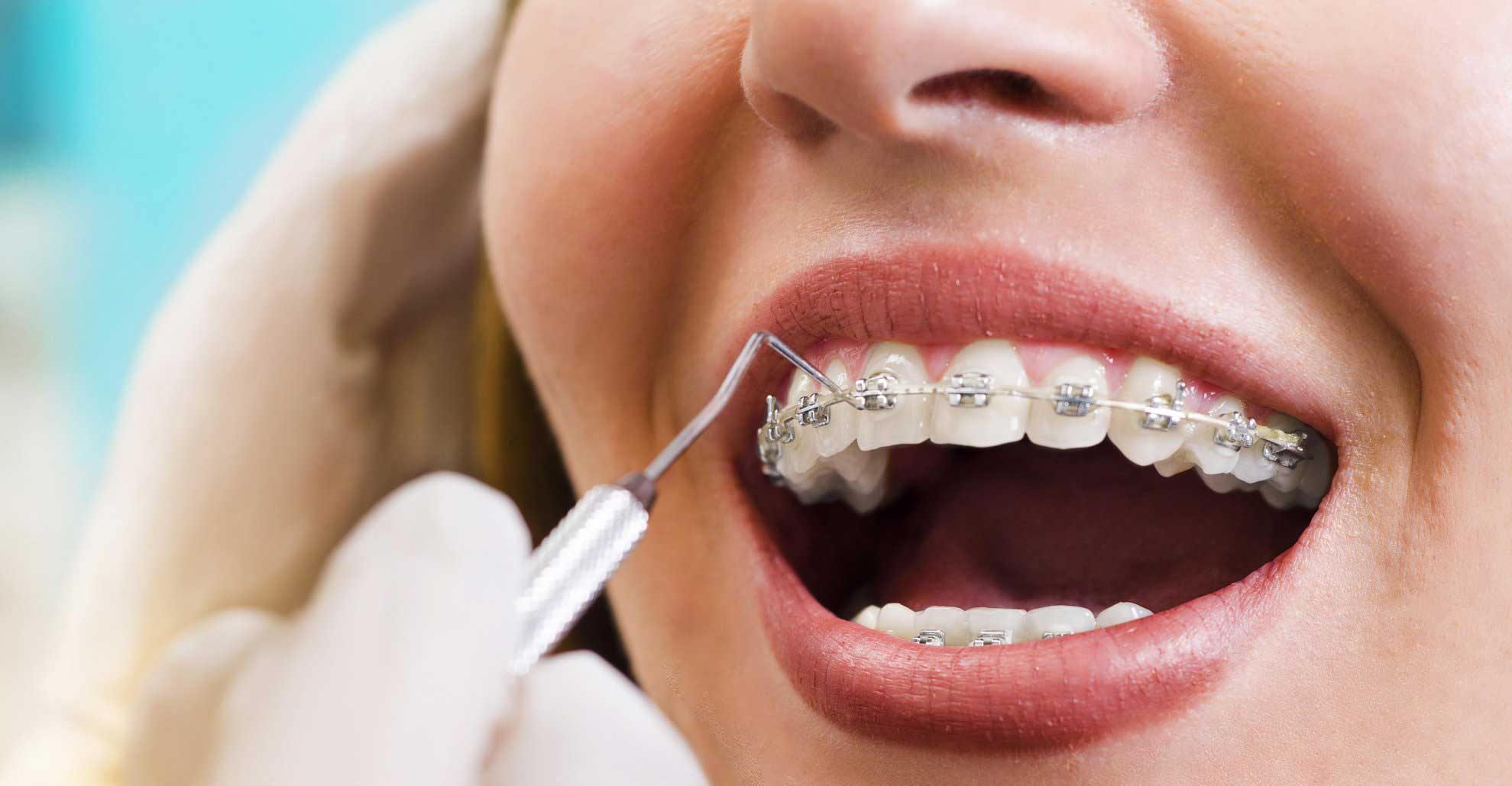
The Invisible Foundation of Orthodontic Stability
The Critical Role of Advanced Primers in Adhesion
In the intricate world of orthodontics, the assurance that a bracket will remain securely attached throughout the treatment duration is paramount for both the practitioner and the patient. This sense of security is largely engineered by a component that remains invisible to the naked eye: the primer. The natural surface of a tooth is composed of enamel, a substance that is inherently smooth and crystalline. Without intervention, this surface offers little purchase for bonding agents. Primers act as the essential intermediary, functioning much like a high-tech undercoat that prepares the canvas of the tooth for the artwork of alignment.
Modern advancements have revolutionized how these agents function. It is no longer a simple matter of gluing two flat surfaces together. Today's primer technology is designed to facilitate a chemical and mechanical bridge between the hydrophilic (water-loving) organic structure of the tooth and the hydrophobic (water-hating) nature of Light Cure Adhesives. These sophisticated liquids are engineered to penetrate the microscopic irregularities of the tooth’s surface. By flowing deeply into these micro-porosities, the primer creates resin tags that interlock with the tooth structure upon curing. This creates a robust hybrid layer that serves as the anchor for the entire appliance.
The effectiveness of this system relies heavily on the synergy between the primer and the adhesive. When a patient bites into harder foods or brushes vigorously, the stress is transferred through the bracket to this bonding interface. If the primer has not sufficiently permeated the enamel surface structure, the bond fails. Therefore, the "penetrative capacity" of the primer is the first and most critical key to long-term stability. It turns a naturally slick surface into a receptive foundation, ensuring that the physical forces of orthodontic movement are transmitted accurately without the risk of premature detachment.
Bridging the Gap Between Theory and Clinical Reality
While textbook definitions of bonding assume ideal conditions—perfectly dry fields and flat surfaces—the clinical reality inside the mouth is far more complex. There is often a discrepancy between laboratory results and chairside experiences, primarily due to the difficulty of maintaining a pristine environment. Bridging this gap requires a meticulous approach to application technique that goes beyond simply following manufacturer instructions. It involves a deep understanding of how materials behave under varying conditions.
For instance, the thickness of the primer layer plays a significant role in Shear Bond Strength Optimization. If a primer is applied too thickly, it can pool and create a weak link in the adhesive chain; applied too thinly or blown off too aggressively with air, the enamel may not be adequately saturated, leading to dry spots where no bonding occurs. The goal is to create a uniform, thin film that completely seals the etched enamel. This requires a tactile sense and visual confirmation by the clinician, adjusting the application based on the viscosity of the fluid and the ambient humidity of the room.
Furthermore, the integration of Enamel Surface Conditioning protocols into daily practice is essential. This step is not merely a formality but a calculated process to maximize surface energy. By cleaning and chemically preparing the tooth, clinicians remove proteins and pellicles that could interfere with the primer's chemistry. Understanding that the theoretical "perfect bond" is a target, while the clinical bond is the result of managing variables, allows practitioners to reduce bond failures. It shifts the focus from hoping for the best to engineering a predictable outcome through precise, science-backed protocols.
| Feature | Traditional Bonding Systems | Modern Hydrophilic Systems |
|---|---|---|
| Moisture Sensitivity | Highly sensitive; requires absolute dryness for success. | Tolerant; effective in slightly moist environments. |
| Application Complexity | High; strict isolation protocols are mandatory. | Moderate; simplified protocols reduce technique sensitivity. |
| Penetration Mechanism | Relies on mechanical interlocking in dry etched patterns. | Uses water-chasing chemistry to penetrate wet substrates. |
| Risk of Failure | Increases significantly with trace saliva contamination. | Remains stable even with minor environmental variance. |
Engineering Resilience Against Moisture
Conquering the Wet Environment
The oral cavity is arguably one of the most hostile environments for adhesive dentistry. It is a realm of constant humidity, submerged in saliva, and subjected to the moisture of the patient's breath. Historically, water has been the nemesis of bonding agents. Traditional hydrophobic resins would physically retreat from water, much like oil floating on top of a puddle. If even a microscopic amount of moisture contaminated the etched tooth surface during the bonding procedure, the adhesive would fail to penetrate, resulting in a weak bond that would likely fail within days or weeks.
This challenge has driven the development of Moisture Tolerant Primers. These next-generation materials represent a paradigm shift in chemical engineering. Instead of fighting against the presence of water, they are designed to coexist with it temporarily. These primers contain hydrophilic monomers that are miscible with water. When applied to a slightly moist tooth, they facilitate a solvent exchange mechanism. The primer essentially chases the water out of the microscopic spaces in the enamel and replaces it with resin.
This capability is a game-changer for placing brackets on second molars or impacted teeth where perfect isolation is nearly impossible. By allowing for a "wet bonding" technique, these primers ensure that the resin tags form deeply and securely, even if the field isn't perfectly desiccated. This tolerance does not mean isolation is unnecessary, but it provides a safety net. It creates a forgiving buffer against the inevitable humidity of the mouth, ensuring that the bond strength remains high and consistent, drastically reducing the emergency visits caused by fallen brackets.
Micro-Level Precision for Maximum Hold
The Science of Surface Modification
To achieve a bond that can withstand the rigors of orthodontic treatment—which can last anywhere from one to three years—scientists have looked to the microscopic landscape of the materials involved. One of the most effective methods for enhancing retention is Bracket Base Microetching. This process involves blasting the mesh base of the bracket with fine abrasive particles to create a highly retentive surface. This effectively increases the surface area available for the adhesive to grip, creating a mechanical lock that is significantly stronger than bonding to a smooth metal surface.
Simultaneously, the treatment of the tooth surface has evolved. The goal is to balance retention with preservation. We want the bracket to stay on, but we do not want to destroy the tooth in the process. Advanced micro-etching techniques on the enamel use much finer particles than in the past. Instead of removing large amounts of enamel, these techniques create a conservative roughness (microroughness) that is sufficient for the adhesive to infiltrate but shallow enough to be easily polished away at the end of treatment.
This precise engineering allows for Shear Bond Strength Optimization to a target range—typically strong enough to withstand masticatory forces (chewing) but weak enough to allow for safe removal. By fine-tuning the interaction between the micro-etched bracket base and the conditioned enamel, the system distributes stress more evenly across the interface. This prevents stress concentrations that could lead to sudden failures while ensuring the health of the enamel is maintained. The result is a secure attachment that respects the biological integrity of the patient's teeth.
Smart Debonding and Enamel Preservation
The Art of Safe Removal
The final phase of orthodontic treatment, debonding, is a critical procedure that carries inherent risks to the enamel surface. The traditional method of simply squeezing the bracket with pliers until the bond shatters can transmit excessive force to the tooth, potentially causing enamel fractures or leaving behind stubborn adhesive residue that requires aggressive grinding to remove. This is where the concept of Debonding Stress Control becomes vital. The industry is moving towards methods that lower the force required to detach the appliance, thereby protecting the underlying tooth structure.
One innovative approach involves the use of thermal debonding. Research suggests that applying specific heat levels to the bonding agent can soften the resin matrix, significantly reducing its shear strength. This allows the bracket to slide off with minimal force. Similarly, laser-assisted debonding utilizes light energy to degrade the adhesive layer selectively without heating the tooth pulp. These thermal and optical aids transform a high-force mechanical process into a low-force, controlled removal.
Furthermore, material science has introduced "smart" bracket bases designed to deform in a specific way upon removal. When the correct instrument applies torque, the bracket base peels away from the tooth rather than snapping off. This peeling action breaks the bond incrementally rather than instantaneously, drastically reducing the shockwave sent through the enamel. Combined with residue-signaling adhesives that change color when exposed to air or light, dentists can now clean up the tooth surface with distinct visibility, ensuring no harmful grinding occurs on the pristine enamel.
| Debonding Method | Mechanism of Action | Impact on Enamel |
|---|---|---|
| Standard Mechanical | High-force shear stress via pliers. | Risk of micro-cracks and enamel tear-outs. |
| Thermal Assisted | Heat softens the adhesive resin. | Low stress; requires careful temperature control. |
| Laser Assisted | Light energy degrades adhesive polymers. | Minimal stress; highly selective and safe. |
| Smart Base Design | Base deforms/peels to release tension. | Controlled release reduces shock to the tooth. |
Patient Comfort and Post-Treatment Aesthetics
The evolution of bonding and debonding technologies is not solely focused on the clinician's convenience; it has profound implications for the patient's experience. A secure bond means fewer emergency appointments for broken brackets, leading to a smoother, faster treatment progression. Conversely, a gentle debonding process means less discomfort during the removal appointment. The sensation of pressure and the sound of cracking adhesive can be anxiety-inducing for patients. Technologies that reduce the force required for removal directly translate to a more pleasant "graduation day" from braces.
Moreover, the long-term aesthetic outcome is preserved. By utilizing systems that rely on Enamel Surface Conditioning and safe removal protocols, the risk of "white spot lesions" (decalcification around the bracket) and adhesive remnants is minimized. When the braces come off, the goal is to reveal a smile that is not only straight but also healthy and unblemished. The integration of fluoride-releasing adhesives and gentle polishing tools ensures that the enamel remains glossy and intact. Ultimately, these advanced systems support the holistic goal of orthodontics: improving appearance and function without compromising the biological fabric of the teeth.
Q&A
-
What is enamel surface conditioning and why is it important for orthodontic treatments?
Enamel surface conditioning involves preparing the tooth surface to enhance the adhesion of orthodontic brackets. This process typically includes cleaning and etching the enamel to create a rough surface, which improves the mechanical retention of adhesives. Proper conditioning is crucial for ensuring the long-term success and stability of orthodontic treatments, as it directly impacts the shear bond strength of the brackets.
-
How do light cure adhesives contribute to the effectiveness of orthodontic bonding?
Light cure adhesives are activated by a specific wavelength of light, allowing for controlled working time and rapid curing once the adhesive is in place. This ensures precise placement of brackets and reduces the likelihood of premature bonding. The controlled setting time also helps in achieving optimal shear bond strength, crucial for the durability of the orthodontic bond.
-
What strategies can be used to optimize shear bond strength in orthodontic applications?
To optimize shear bond strength, several strategies can be employed, such as selecting the appropriate adhesive system, ensuring proper enamel surface conditioning, and using moisture tolerant primers. Additionally, the application technique, including the pressure and angle at which the bracket is placed, can significantly influence the bond strength. Regularly monitoring and adjusting these factors can lead to improved bonding outcomes.
-
Why are moisture tolerant primers important in orthodontic bonding?
Moisture tolerant primers are designed to maintain their adhesive properties even in the presence of saliva or moisture, which is a common challenge during orthodontic bonding. These primers help ensure a reliable bond between the bracket and enamel, reducing the risk of bond failure and improving the overall success rate of orthodontic treatments. They are particularly useful in clinical settings where controlling moisture is difficult.
-
How does bracket base microetching enhance debonding stress control?
Bracket base microetching involves creating a textured surface on the base of the orthodontic bracket. This increases the surface area for adhesion and improves the mechanical interlock between the bracket and adhesive. Microetching not only enhances initial bond strength but also helps in managing debonding stress by distributing forces more evenly across the bracket base, reducing the likelihood of bracket failure during treatment.