
The Art and Economics of Veneer Investments
Crafting the perfect smile through thin protective layers comes with financial considerations that demand careful strategy. Alternatively fine porcelain or cutting-edge alternatives, each option offers unique benefits. Delving into these nuances, one can uncover how these aesthetic enhancements truly serve as a wise, enduring investment.
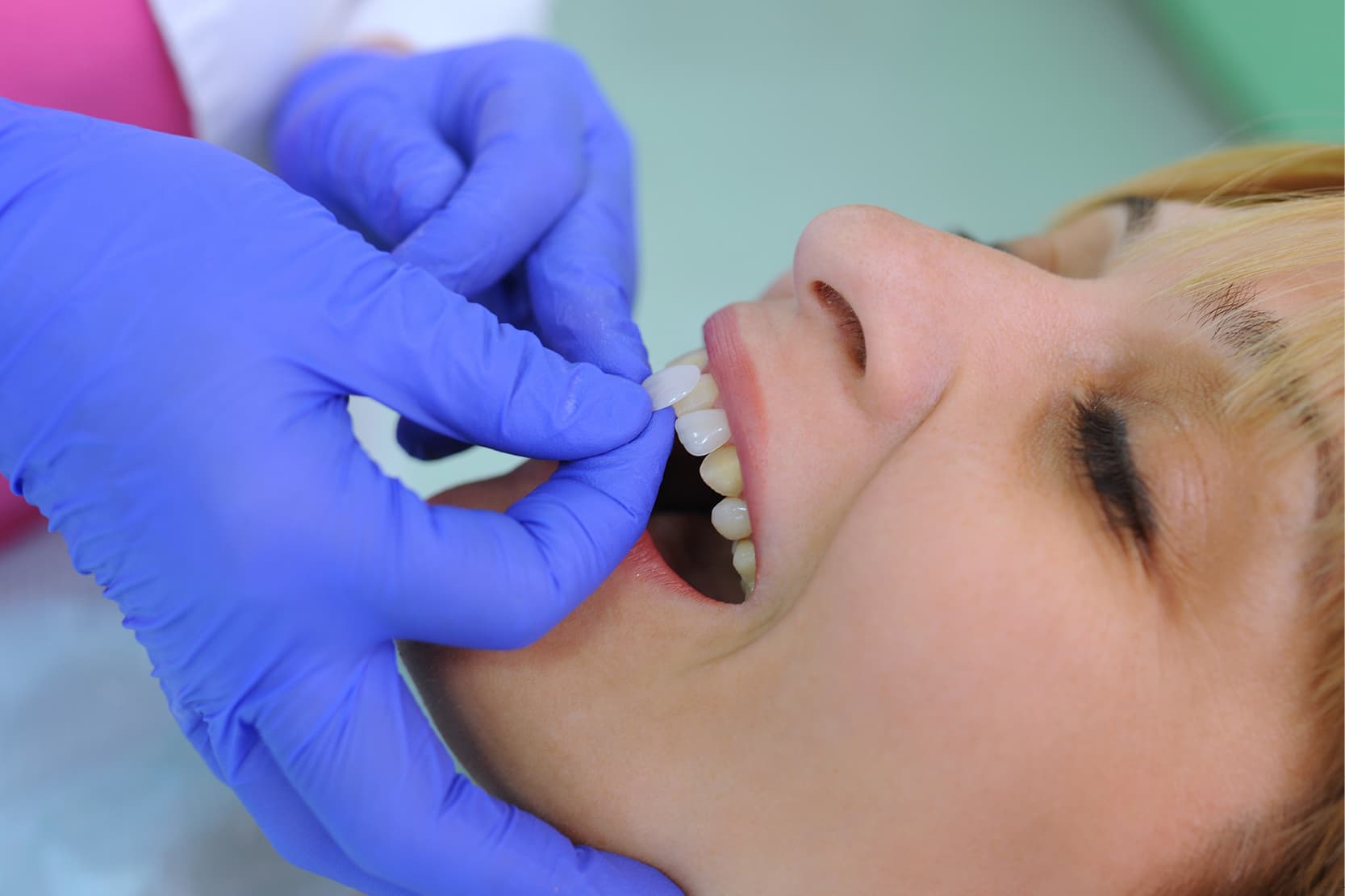
Decoding the Spectrum of Restorative Materials
Understanding the Divide Between Composite and Porcelain
When patients begin their journey toward an enhanced smile, the primary fork in the road usually involves the choice of raw materials. This decision is not merely aesthetic; it is the fundamental baseline that dictates the financial structure of the treatment. Generally, the market is divided into two primary categories: composite resin and ceramic porcelain. Understanding the physical and chemical differences between these two is crucial for managing expectations regarding both immediate outlay and future performance.
Composite resin represents a plastic-based mixture that offers agility and immediacy. Because these can often be applied directly to the tooth surface in a single visit, the associated costs are significantly lower. There is no need for an external laboratory in many cases, which removes a layer of overhead. However, this accessibility comes with trade-offs. Resin is porous on a microscopic level, meaning it is susceptible to absorbing pigments from coffee, wine, or berries over time. Furthermore, while modern resins are strong, they lack the supreme surface hardness of kiln-fired ceramics, leading to a higher likelihood of chipping under stress.
On the other end of the spectrum lies ceramic porcelain. This material is essentially a medical-grade glass-ceramic that mimics the light-refracting properties of natural tooth enamel with uncanny accuracy. The production of porcelain veneers involves high-heat firing and layering, resulting in a surface that is impervious to staining and incredibly resistant to abrasion. The cost structure here is higher because you are paying for a material that is designed to survive the harsh chemical and physical environment of the mouth for over a decade. The transparency and depth of color achieved with porcelain cannot be fully replicated by resin, making it the standard for those seeking an indistinguishable enhancement.
| Feature Dimension | Composite Resin Approach | Ceramic Porcelain Approach |
|---|---|---|
| Visual Depth | Opaque to semi-translucent; looks great initially but may flatten over time. | High translucency; mimics the light-scattering behavior of natural enamel. |
| Surface Resilience | Susceptible to micro-scratching and pigment absorption (staining). | Glazed surface is highly resistant to stains and maintains luster. |
| Longevity Profile | Moderate; typically requires refreshing or polishing every few years. | High; can last 10–15+ years with proper oral hygiene. |
| Repairability | High; chips can often be patched chairside in one visit. | Low; fractures usually require the replacement of the entire unit. |
| Treatment Velocity | Fast; often completed in a single appointment (Direct). | Slower; requires impressions, temporaries, and lab fabrication time. |
The Relationship Between Manufacturing Complexity and Price
Beyond the raw material itself, the price tag of a veneer is heavily influenced by the manufacturing process. Modern dentistry has moved away from standardized, mass-produced solutions toward highly customized medical devices. When a patient opts for high-grade zirconia or lithium disilicate, they are not just buying a product; they are funding a complex supply chain involving advanced engineering.
The fabrication of a ceramic veneer is a multi-step process that justifies its higher price point. It begins with the selection of ingots—blocks of ceramic material—that are matched to the patient's desired shade value. However, a single shade often looks flat and artificial. To create a truly lifelike appearance, skilled technicians must hand-layer different powders or apply surface stains to create gradients that mimic the natural darkening near the gum line and the translucency at the biting edge. This level of artistry transforms a dental restoration into a piece of craftsmanship.
Furthermore, the operational costs of the dental laboratory play a significant role. Labs that specialize in high-end aesthetics employ master ceramists whose time is valuable. They also invest in distinct furnaces and pressing machines to ensure the structural integrity of the veneer. Unlike a simple filling which is functional, a veneer is both structural and cosmetic. The failure rate must be near zero. Therefore, the higher fee reflects the extensive quality control, the specialized equipment required to cut and fire the material, and the artistic talent needed to shape a tooth that looks like it belongs in the patient's mouth.
The Impact of Digital Infrastructure and Expertise
How Technology Redefines the Workflow
The traditional image of dental impressions involves trays filled with cold, gooey alginate or silicone, a process uncomfortable for many patients and prone to slight distortions. Today, the investment in digital infrastructure has revolutionized how costs are structured and how value is delivered. The modern dental office is increasingly equipped with intraoral scanners—wands that capture thousands of images per second to build a precise 3D map of the teeth and gums.
This shift to a digital workflow represents a significant capital investment for the clinic, which is factored into the treatment cost. However, for the patient, this translates into superior precision. A digital impression does not shrink or tear like rubber molds. It allows the dentist to analyze the preparation of the tooth on a large monitor, identifying undercuts or insufficient reduction margins instantly. This real-time feedback loop minimizes the "remake rate," ensuring that the final veneer fits with micron-level accuracy.
Once the data is captured, it flows into CAD/CAM (Computer-Aided Design/Computer-Aided Manufacturing) systems. Here, the veneer is designed virtually, allowing for simulations of the final smile before a single bur touches the ceramic block. This technology streamlines communication between the dentist and the lab, reducing shipping times and environmental waste. While the upfront cost of treatment includes the amortization of this sophisticated technology, the value is returned through a prosthesis that fits better, irritates the gums less, and is delivered faster than traditional methods allowed.
The Value of Professional Skill and Environment
A frequently overlooked variable in the pricing equation is the human element—specifically, the expertise of the clinician and the operational standards of the facility. Veneer placement is not a commodity service; it is a highly sensitive microsurgery. The price variance between different providers often reflects the difference in chair time allocation and educational background.
A specialist or a dentist dedicated to cosmetic restoration invests heavily in continuing education to master the nuances of smile design. This involves understanding facial symmetry, lip dynamics, and occlusion (how teeth bite together). When you pay a premium, you are often paying for the dentist's ability to plan the case meticulously so that the veneers do not fail mechanically. It also covers the time required for "try-ins," where the dentist places the veneers with temporary paste to verify the look and fit, making micro-adjustments by hand to ensure perfection before final bonding.
Additionally, the geographical location and the clinic's environment contribute to the cost structure. A clinic operating in a metropolitan hub with high rent and staffing costs will naturally have higher overheads. However, these clinics often attract top-tier talent and support staff who ensure a seamless patient experience. The cost also encompasses strict sterilization protocols and the use of premium bonding cements and isolation systems (like rubber dams) which are critical for preventing future leaks or bacterial infiltration under the veneers.
Assessing Value Beyond the Sticker Price
Navigating Durability and Maintenance Realities
One of the most dangerous misconceptions in cosmetic dentistry is the idea of "permanence." Patients often view the high cost of veneers as a one-time payment for a lifetime result. However, a prudent financial assessment must include the reality of biological dynamism. While the ceramic material itself may be chemically stable, the mouth is a hostile environment subject to thermal cycling, acidic attacks, and immense biting forces.
The gums change shape with age, potentially exposing the margins of the veneer. Bruxism (grinding) can exert forces capable of snapping even the strongest materials. Therefore, the "total cost of ownership" includes necessary maintenance. This involves deeper cleaning schedules, the potential need for protective night guards to shield the investment during sleep, and eventual replacement or repair.
Choosing a lower-cost option initially might seem fiscally responsible, but it often carries a higher risk of early revision. Discounted treatments may utilize generic labs or skip the critical "wax-up" planning phase, leading to poor occlusion. If a veneer pops off or cracks because the bite wasn't balanced, the cost of emergency visits and replacements quickly erodes the initial savings. High-quality veneers, backed by precise digital planning and premium materials, act as a buffer against these revision risks, offering a lower amortized cost over a 15-year period compared to a cheaper set that fails in five.
| Consideration Factor | Strategic Advantage | Potential Downside Risk |
|---|---|---|
| Premium Lab Fabrication | Custom shading and superior marginal fit reduce decay risk. | Higher upfront cost; longer wait time for production. |
| Digital Smile Design | Predictable outcome; patient can "test drive" the look visually. | Adds to the planning fee; requires specific provider training. |
| Prophylactic Night Guard | Protects the ceramic from chipping; extends lifespan significantly. | An additional expense; requires patient discipline to wear nightly. |
| Choosing a Specialist | Reduces error rate; handles complex bite issues effectively. | Premium professional fees; appointment availability may be limited. |
Functional Benefits and Quality of Life
Finally, the return on investment for veneers should not be calculated solely on cosmetic metrics. While the psychological boost of a radiant smile—improved confidence and social ease—is the primary driver, there are functional gains that contribute to the value proposition. Veneers can correct minor misalignments that create food traps, thereby improving the patient's ability to clean their teeth and maintaining better periodontal health.
Furthermore, restoring the proper length and shape of worn-down teeth can re-establish a healthy bite guidance. When teeth are worn flat, the jaw moves differently, sometimes causing muscle strain. Restoring the anatomy with veneers can help guide the jaw into a more comfortable trajectory during chewing.
When viewed through this lens, the expense is recontextualized. It is not merely a purchase of "fake teeth," but a restoration of function and biology that happens to be aesthetically pleasing. By prioritizing high-grade materials and skilled execution, the patient secures a solution that supports oral health rather than compromising it. This holistic view confirms that while the entry price is significant, the dividends paid in durability, function, and self-assurance validate the expenditure as a sound long-term decision.
Q&A
-
What is Material Grade Differentiation and why is it important in manufacturing?
Material Grade Differentiation refers to the classification of materials based on their quality and characteristics. It is crucial in manufacturing because it ensures that the appropriate materials are used for specific applications, which can affect the product's durability, performance, and cost-efficiency. Differentiating materials accurately can lead to optimized production processes and higher quality end products.
-
How does Lab Complexity Pricing affect the cost structure in industries involving R&D?
Lab Complexity Pricing is a pricing strategy that considers the intricacy and sophistication of laboratory operations when determining costs. In industries with significant R&D components, such as pharmaceuticals or advanced manufacturing, this can impact the overall cost structure by accounting for the resources, time, and expertise required to conduct complex experiments or tests. This approach ensures that pricing reflects the true value and effort involved in developing innovative solutions.
-
What role does Chair Time Allocation play in optimizing healthcare services?
Chair Time Allocation is a crucial aspect in healthcare, particularly in dental and medical practices, where it refers to the scheduling and management of patient appointments to maximize the use of available chairs or treatment rooms. Effective allocation can lead to improved patient throughput, reduced wait times, and increased service efficiency. By optimizing chair time, healthcare providers can enhance patient satisfaction and operational profitability.
-
Why is Digital Workflow Investment becoming essential for modern businesses?
Digital Workflow Investment involves implementing digital tools and technologies to streamline business processes. This investment is becoming essential as it allows businesses to increase efficiency, reduce errors, and improve communication across departments. In a digital-first world, such investments enable companies to remain competitive by enhancing their ability to adapt quickly to market changes and customer demands.