
Beyond Fear: Innovative Approaches to Dental Anxiety
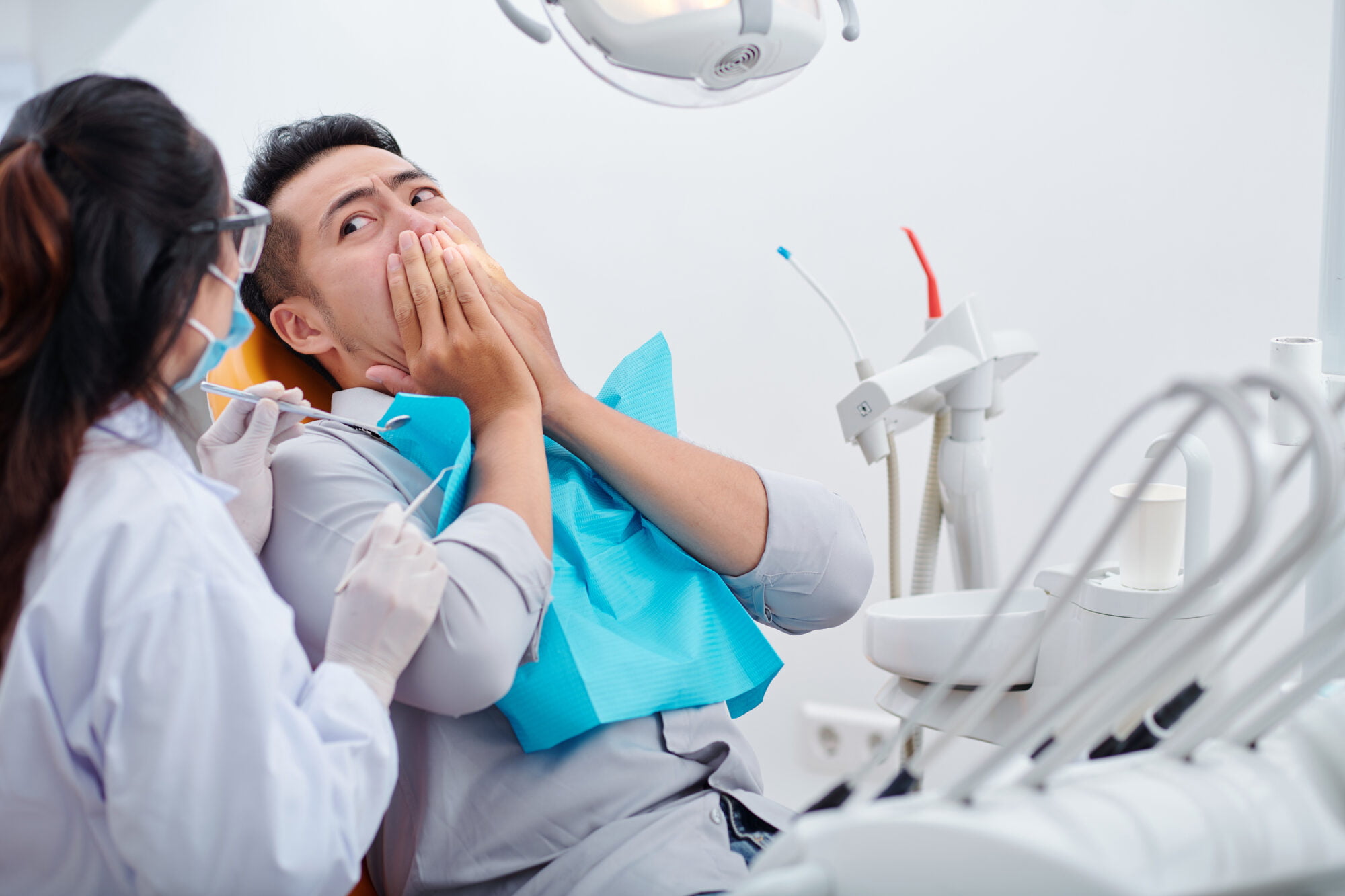
The trepidation many feel when anticipating a dental visit can be overwhelming, yet novel solutions are transforming this experience. By embracing unique strategies aimed at reducing apprehension, individuals can now approach oral care with a newfound sense of tranquility and confidence, paving the way for more reassuring appointments.
The Science of Relaxation
Embracing Medical Support for Calmness
For decades, the primary focus of dental visits was strictly clinical: fix the tooth and manage physical pain through local numbing agents. However, modern practitioners now understand that the psychological barrier is often just as significant as the physical one. This realization has ushered in an era where medical intervention is used not just to numb the gums, but to soothe the mind. The utilization of intravenous relaxation techniques represents a significant leap forward for patients who suffer from intense phobias. Unlike general anesthesia, which renders a patient completely unconscious, this method induces a "twilight" state. Patients often remain conscious enough to respond to verbal cues, yet they feel completely detached from the anxiety that usually grips them.
The experience is frequently described as floating in a pleasant state of drowsiness. One of the most profound benefits of this approach is the amnesic effect; patients often leave the chair with little to no memory of the procedure itself, making a two-hour appointment feel as though it passed in mere minutes. This is particularly transformative for individuals with a strong gag reflex or those who have trouble sitting still for long periods. Safety is paramount in these scenarios, with dedicated professionals monitoring vital signs throughout the entire process. By medically lowering the baseline of anxiety, the body remains relaxed, preventing the muscle stiffness and exhaustion that usually follow a stressful appointment. It changes the narrative from "enduring" a procedure to simply "resting" through it.
| Relaxation Method | Ideal Candidate Profile | Typical Sensation Experienced |
| Inhalation Therapy | Individuals with mild anxiety or fear of needles; children needing gentle calming. | A light, tingling sensation accompanied by a feeling of warmth and euphoria. Recovery is almost instant. |
| Oral Anxiolytics | Patients who feel anxious before even arriving at the clinic; those needing moderate sedation. | A deep sense of grogginess and relaxation that sets in before treatment begins. Requires an escort home. |
| Intravenous (IV) Relaxation | High-anxiety patients or those undergoing lengthy, complex procedures. | A "twilight" state where time seems to compress rapidly. Profound detachment from fear while remaining responsive. |
Tailored Levels of Serenity
Not every patient requires deep sedation, and the "one size fits all" approach is rapidly disappearing from high-quality dental care. The modern philosophy centers on a spectrum of care that matches the intervention to the patient's specific anxiety level. For those who feel a flutter of nervousness rather than paralyzing fear, lighter methods are often employed. The administration of a safe, breathable gas through a nose mask is a classic yet highly effective standard. This method provides a mild anxiolytic effect that takes the edge off without lingering side effects, allowing patients to drive themselves home shortly after the procedure.
This tiered approach allows for a highly customized experience. A patient might choose a lighter option for a routine cleaning but opt for deeper relaxation methods for a root canal. The goal is to ensure the patient is compliant and comfortable, which ironically makes the dentist's job easier and the clinical work more precise. When a patient is relaxed, they do not flinch or tense up, allowing for smoother, faster, and higher-quality treatments. This collaboration between patient comfort and clinical precision defines the new standard of care. It encourages an open dialogue where patients don't feel pressured to "be brave" but are instead encouraged to utilize the medical tools available to ensure their experience is positive.
Building a Foundation of Trust
The Power of Open Dialogue
The root of dental anxiety is often found in the feeling of powerlessness or a history of feeling unheard. Therefore, the antidote lies in establishing a robust human connection before any clinical instruments are even touched. Progressive clinics are now prioritizing pre-treatment consultations that have nothing to do with examining teeth and everything to do with examining feelings. This "rapport building" phase is crucial. It involves sitting down in a non-clinical setting to discuss fears, triggers, and past negative experiences. When a provider takes the time to listen to a patient explain that they are afraid of the sound of the drill or the sensation of leaning back, it validates those feelings rather than dismissing them.
This process transforms the dynamic from a doctor-patient hierarchy to a partnership. By voicing concerns, patients allow the dental team to adapt their behavior. For instance, if a patient fears the feeling of drowning, the team can adjust the chair angle or use a rubber dam differently. If they are afraid of pain, a system of hand signals can be established—raising a hand means "stop immediately." This simple granting of control can drastically lower cortisol levels. The knowledge that one can halt the process at any second provides a safety net that makes the actual need to stop less likely. It is about creating a psychological safe space where the patient knows their emotional well-being is prioritized just as highly as their oral health.
Demystifying the Process
Fear of the unknown is a potent amplifier of anxiety. When a patient lies back and loses visual contact with what is happening, the imagination often conjures scenarios far worse than reality. To combat this, transparency has become a cornerstone of anxiety-free dentistry. This involves a clear, step-by-step explanation of what will happen, often utilizing digital tools or visual aids to bridge the knowledge gap. Before the appointment begins, knowing exactly how long a procedure will take, what sensations might occur, and the sequence of events removes the element of surprise that triggers fight-or-flight responses.
This "visibility" extends to the financial and logistical aspects as well. Anxiety isn't always about the drill; it can be about the bill or the recovery time. Providing clear, written treatment plans that outline costs, duration, and post-op expectations empowers the patient to make informed decisions without pressure. When the mystery is removed, the brain has less room to panic. Dentists are increasingly acting as educators, walking patients through X-rays and intraoral photos so they see exactly what the dentist sees. This shared perspective fosters trust. When a patient understands why a procedure is necessary and how it will be executed, they become an active participant in their health journey rather than a passive subject of it.
Psychological Tools and Environment
Retraining the Mind
Beyond external tools and drugs, there is a powerful shift toward helping patients manage their own internal narratives. Many people suffer from catastrophic thinking regarding dentistry—believing that pain is inevitable or that they are trapped. Techniques borrowed from cognitive therapy are now being integrated into dental visits to help patients reframe these thoughts. This involves identifying negative thought loops and replacing them with fact-based neutrality. For example, instead of thinking "This is going to hurt unbearable," the patient is guided to think, "This might be uncomfortable for a moment, but I am numb, and it will be over soon."
Professionals often guide patients through breathing exercises or visualization techniques to lower their heart rate physically. It is about shifting the focus from the focal point of the procedure to a place of safety. By practicing controlled breathing, the body is physically incapable of maintaining a high state of panic. Furthermore, separating the sensation of pressure from the sensation of pain is a key cognitive strategy. Patients are taught that feeling pressure is normal and safe, distinguishing it from sharp pain, which allows them to remain calm during the heavy work of extraction or drilling. These mental tools are skills that, once learned, reduce anxiety not just for the current appointment, but for all future visits.
Designing for Comfort
The sterile, medicinal smell and the harsh fluorescent lighting of traditional clinics are major triggers for anxiety. Recognizing this, the modern "dental spa" concept focuses on curating an environment that appeals to the senses in a soothing way. This goes beyond simple decoration; it is about creating a sensory experience that competes with the clinical stressors. This approach, often referred to as providing a "comfort menu," allows patients to customize their environment to distract and soothe them. This might include noise-canceling headphones to block out the sound of suction and drills, allowing the patient to listen to a podcast or calming music instead.
| Comfort Feature | Purpose and Benefit |
|---|---|
| Weighted Blankets | Provides deep pressure stimulation, which mimics the feeling of a hug and physically reduces the body's fight-or-flight response. |
| Noise-Canceling Headphones | Blocks out high-pitched dental sounds (drills, scalers) that trigger auditory anxiety, replacing them with music or silence. |
| Aromatherapy Options | Utilizes scents like lavender or orange to mask the clinical "dental smell," directly impacting the limbic system to induce relaxation. |
| Ceiling-Mounted Screens | Offers visual distraction (movies, nature scenes) to keep the patient’s eyes focused away from the bright operating lights and instruments. |
Physical comfort is equally critical. Ergonomic chairs, warm neck pillows, and even sunglasses to block the glare of the operating light are becoming standard amenities. The staff's demeanor also plays a role in this environmental design; a soft-spoken, unhurried approach contributes to the atmosphere of safety. When a patient walks into a waiting room that smells like lavender rather than antiseptic, and sits in a chair that feels like a lounge rather than an operating table, the brain receives signals of safety rather than danger. This holistic attention to the physical and sensory environment works in tandem with clinical excellence to make the dental visit a manageable, if not entirely pleasant, part of life.
Q&A
-
What is sedation dentistry and how does it benefit patients?
Sedation dentistry involves the use of medications to help patients relax during dental procedures. It is particularly beneficial for individuals with dental anxiety or phobia, allowing them to undergo treatments comfortably and without distress. Sedation dentistry can range from minimal sedation, where the patient is awake but relaxed, to general anesthesia, where the patient is fully unconscious.
-
How is nitrous oxide administered in dental procedures, and what are its effects?
Nitrous oxide, commonly known as "laughing gas," is administered through a small mask placed over the patient's nose. It is inhaled and quickly induces a state of relaxation and euphoria, helping to alleviate anxiety during dental procedures. Its effects are mild and wear off quickly, allowing patients to recover swiftly and drive themselves home after the appointment.
-
Why is patient rapport building important in dental care?
Building rapport with patients is crucial in dental care as it helps to establish trust and comfort. When patients feel understood and respected by their dental care providers, they are more likely to communicate openly about their concerns and fears, which can lead to more effective and personalized care. Strong rapport can also reduce anxiety and improve overall patient satisfaction.
-
How does Cognitive Behavioral Therapy (CBT) complement sedation dentistry for anxious patients?
Cognitive Behavioral Therapy (CBT) is a psychological approach that helps patients manage their anxiety by changing negative thought patterns and behaviors. When used alongside sedation dentistry, CBT can provide a comprehensive strategy for managing dental anxiety. Patients learn coping mechanisms to deal with their fears, which can reduce their reliance on sedation over time and improve their overall dental experience.
-
What are comfort menu options in a dental setting, and how do they enhance patient experience?
Comfort menu options in a dental setting refer to additional services or amenities offered to enhance patient comfort and reduce anxiety. These may include items such as blankets, noise-canceling headphones, or aromatherapy. By offering these options, dental practices can create a more welcoming and calming environment, improving the overall experience for patients who may feel anxious or uncomfortable during dental visits.