
Navigating Wisdom Tooth Challenges: Safety, Anesthesia, and Recovery
The extraction of wisdom teeth presents unique challenges, requiring a delicate blend of precision and care. Innovative treatments, such as minimally invasive techniques and strategic anesthetic approaches, are crucial in ensuring patient comfort and preventing complications. This journey unveils the art of safe, effective third molar management.
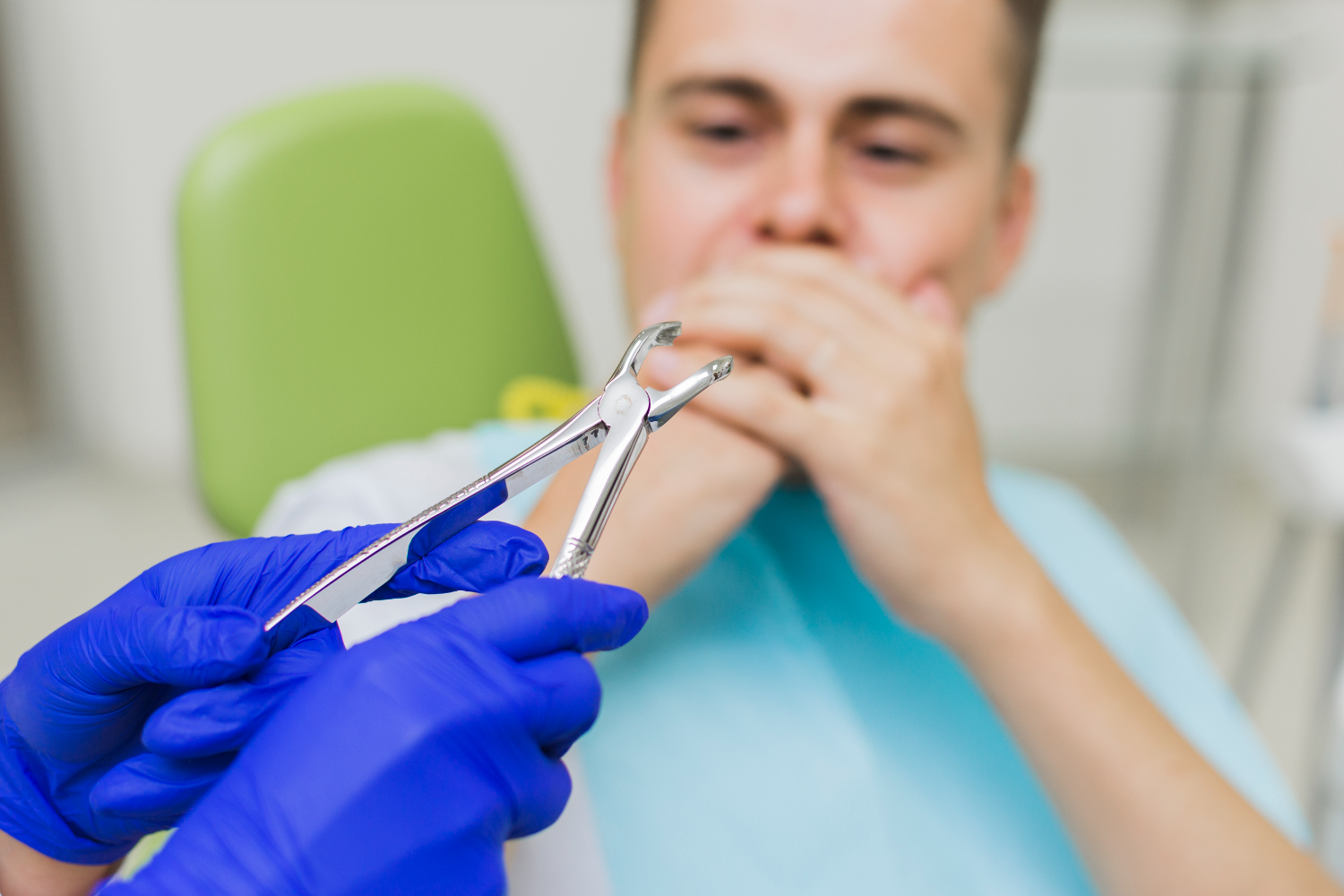
Revolutionizing Comfort: Anesthesia and Anxiety Management
The Science of Painless Local Anesthesia Administration
The mere thought of a dental injection often evokes more anxiety than the extraction itself. However, modern dentistry has fundamentally shifted the focus from simple pain blocking to a holistic, comfort-centered experience. The traditional "sting" associated with numbing is largely preventable through a multi-layered approach to local anesthesia administration. Before a needle even touches the tissue, high-potency topical gels are applied to the mucous membrane, effectively desensitizing the surface nerve endings. This ensures that the initial contact is virtually imperceptible to the patient.
Beyond surface treatment, the mechanics of delivery play a significant role in comfort. Pain during an injection often stems from the pressure of the fluid entering the tissue rather than the needle prick. To combat this, advanced practitioners utilize computer-controlled delivery systems. These devices regulate the flow rate of the anesthetic solution, injecting it drop by drop at a pressure below the patient's pain threshold. Furthermore, warming the anesthetic cartridge to body temperature eliminates the thermal shock that often causes a stinging sensation. By combining these physiological and mechanical refinements, the administration of anesthesia becomes a non-event, allowing the patient to remain relaxed before the procedure begins.
Conscious Sedation: A Safety Net for Anxiety
For patients facing impacted third molars or those with high dental anxiety, local anesthesia alone may not suffice to calm psychological nerves. Intravenous (IV) sedation, often referred to as "twilight sleep," offers a robust solution that bridges the gap between being fully awake and general anesthesia. Unlike general anesthesia, which requires intubation and suppresses breathing, conscious sedation maintains the patient's natural reflexes and respiration while inducing a state of profound relaxation.
The primary advantage of this modality is the amnesic effect. Patients often perceive a procedure that takes an hour as lasting only a few minutes, emerging with little to no memory of the sights or sounds of surgery. This is particularly beneficial for complex cases where prolonged jaw opening could cause discomfort. Crucially, this state is maintained under rigorous safety protocols. Continuous monitoring of vital signs—including heart rate, blood pressure, and oxygen saturation—ensures that the patient’s physiological stability is maintained throughout the operation. This "order-made" approach to sedation allows the surgical team to adjust medication levels in real-time, ensuring a smooth experience that minimizes the body's stress response and accelerates the initial stages of recovery.
| Feature | Local Anesthesia Alone | IV Sedation (Twilight Sleep) |
|---|---|---|
| State of Consciousness | Fully awake, aware of surroundings and sounds. | Deeply relaxed, semi-conscious, "dream-like" state. |
| Pain Perception | Numbed area only; pressure may be felt. | Pain and anxiety are chemically suppressed. |
| Memory of Procedure | Full memory of the surgery. | Little to no memory (amnesic effect). |
| Ideal Candidate | Simple extractions, patients with low anxiety. | Impacted teeth, high anxiety, strong gag reflex. |
| Post-Op Requirement | Can drive home immediately. | Requires an escort; no driving for 24 hours. |
Surgical Precision and Anatomical Safety
Navigating Nerve Proximity with Advanced Imaging
A primary concern in the removal of lower wisdom teeth is the safety of the inferior alveolar nerve, a major sensory nerve running through the jawbone that supplies sensation to the lip and chin. In many cases of impacted third molars, the roots may grow in close proximity to, or even wrap around, this nerve canal. Relying solely on two-dimensional X-rays can sometimes provide an incomplete picture, masking the depth and exact angulation of the roots relative to the nerve.
To mitigate the risk of nerve injury, modern oral surgery heavily relies on Cone Beam Computed Tomography (CBCT). This 3D imaging technology allows the surgeon to visualize the anatomy from every angle, slicing through the image layers to measure the exact distance between the tooth root and the nerve canal in millimeters. By identifying the specific "danger zones" beforehand, the surgeon can map out a precise entry path. This preoperative planning dramatically reduces the likelihood of transient or permanent paresthesia (numbness), ensuring that the structural integrity of the sensory nerves is preserved while the tooth is efficiently removed.
Minimally Invasive Extraction and Suturing
The philosophy of "pulling" teeth has been replaced by the concept of careful surgical disassembly. When a wisdom tooth is impacted or trapped beneath the bone, attempting to remove it in one piece can result in excessive trauma to the surrounding jawbone and soft tissue. Instead, surgeons employ high-precision sectioning techniques. This involves dividing the tooth into smaller, manageable fragments while it is still within the socket.
By sectioning the tooth, the surgeon can remove these fragments through a smaller opening, preserving the surrounding alveolar bone and reducing the need for extensive leverage. This technique directly correlates to reduced post-operative swelling and faster healing. Once the removal is complete, the focus shifts to wound closure. Advanced surgical suturing is employed not just to close the gum, but to stabilize the tissue flap and promote primary healing. Proper suturing prevents food debris from entering the extraction site and helps maintain the blood clot, which is the foundation of new bone growth. The combination of sectional extraction and precise closure minimizes the inflammatory response, significantly lowering the risk of post-operative trismus (jaw stiffness).
Mastering the Recovery Phase
Immediate Care and Pain Management Strategies
The first 48 hours following surgery are critical for controlling inflammation and ensuring a smooth recovery trajectory. As the anesthesia wears off, the body initiates an inflammatory response, which is a natural part of healing but can cause discomfort. Effective pain management relies on preemptive medication timing. Patients are advised to take their prescribed analgesics before the numbness fully subsides, preventing the pain from reaching a "peak" intensity that is harder to suppress.
Swelling is another common biological reaction, particularly with impacted teeth. To manage this, intermittent cooling of the external cheek is recommended—typically 15 to 20 minutes on, followed by a break. This constricts blood vessels and reduces fluid accumulation in the tissues. However, excessive icing can impede blood flow needed for repair, so the "on-off" cycle is vital. Dietary adjustments are equally important; soft, nutrient-dense foods like yogurt, lukewarm soups, and smoothies are ideal. It is crucial to avoid hot or spicy foods that can irritate the wound, as well as crunchy items that could lodge in the surgical site. This phase requires patience, as the body directs energy toward repairing the surgical trauma.
Preventing Dry Socket and Promoting Hygiene
The most significant hurdle in the healing process is the preservation of the blood clot that forms in the empty socket. This clot serves as a biological bandage, covering the exposed bone and nerve endings while serving as a scaffold for new tissue growth. If this clot is dislodged or dissolves prematurely, it results in a painful condition known as alveolar osteitis, or "dry socket." Dry socket prevention is largely behavioral: patients must avoid creating negative pressure in the mouth. This means no sucking on straws, no spitting forcefully, and absolutely no smoking, as the suction and chemicals severely compromise clot stability.
Oral hygiene during this period requires a balanced approach. While keeping the mouth clean is essential to prevent infection, vigorous brushing near the surgical site can be detrimental. Gentle rinsing with salt water is preferred over commercial mouthwashes, which may be too harsh initially. Patients should let the water simply roll around the mouth and drip out, rather than swishing aggressively. Monitoring for signs of complication—such as a bad taste, persistent bleeding, or fever—is part of the patient's responsibility. Understanding these biological principles empowers patients to facilitate their own healing, turning a potentially difficult recovery into a manageable and predictable process.
| Recovery Phase | Recommended Actions | Actions to Avoid |
|---|---|---|
| First 24 Hours | Rest with head elevated, bite on gauze to stop bleeding, apply ice packs (20 min intervals). | Spitting, rinsing, smoking, drinking through a straw, hot liquids. |
| Days 2-3 | Soft diet (pudding, soup), gentle salt water rinses, take meds as prescribed. | Vigorous exercise, heavy lifting, brushing the extraction site directly. |
| Days 4-7 | Gradually reintroduce semi-solid foods, warm jaw compress if stiff, light activity. | Crunchy/hard foods (nuts, chips), probing the site with tongue or fingers. |
| 1 Week+ | Return to normal hygiene, finish antibiotics if prescribed, follow-up visit. | Ignoring signs of infection (fever, throbbing pain), smoking. |
Q&A
-
What are impacted third molars and how are they commonly treated?
Impacted third molars, commonly known as wisdom teeth, are teeth that do not fully erupt into the mouth due to blockage from other teeth or insufficient space. They are often treated through surgical extraction, especially if they cause pain, infection, or other dental issues. The treatment involves careful planning and execution by dental professionals to minimize complications.
-
How is local anesthesia administered during the extraction of impacted third molars?
Local anesthesia is administered through injections in the gum near the site of the impacted third molars. This numbs the area to prevent pain during the extraction procedure. The anesthetic effect typically lasts for several hours, allowing the dentist to perform the surgery comfortably for the patient. Proper administration requires knowledge of oral anatomy to ensure effective and safe numbing.
-
What role does surgical suturing play in the extraction of impacted third molars?
Surgical suturing is crucial in the extraction of impacted third molars as it aids in closing the surgical site, promotes healing, and reduces the risk of complications such as bleeding or infection. Different suture materials and techniques may be used depending on the specific needs of the patient and the complexity of the extraction.
-
How can dry socket be prevented after the removal of impacted third molars?
Dry socket, a painful condition that occurs when the blood clot at the extraction site dislodges, can be prevented by following post-operative care instructions. This includes avoiding smoking, using a straw, or spitting forcefully for at least 24 hours after surgery. Proper oral hygiene and attending follow-up appointments with the dentist also contribute to prevention.
-
What measures are taken to ensure the safety of the inferior alveolar nerve during the extraction of impacted third molars?
To ensure the safety of the inferior alveolar nerve during the extraction of impacted third molars, dentists conduct thorough pre-operative assessments, including imaging studies like X-rays or CT scans, to understand the tooth's proximity to the nerve. During surgery, careful technique and the use of specialized instruments help minimize the risk of nerve damage, preserving sensation and function in the lower jaw and lip area.