
Unveiling the Intricacies of Microleakage: From Marginal Integrity to Sweet Sensitivity
In the complex realm of dental health, the often-overlooked phenomenon of tiny breaches between restorations and teeth emerges as a silent adversary. These minuscule gaps not only challenge the longevity of dental work but subtly incite discomfort, challenging both dental professionals and patients alike.
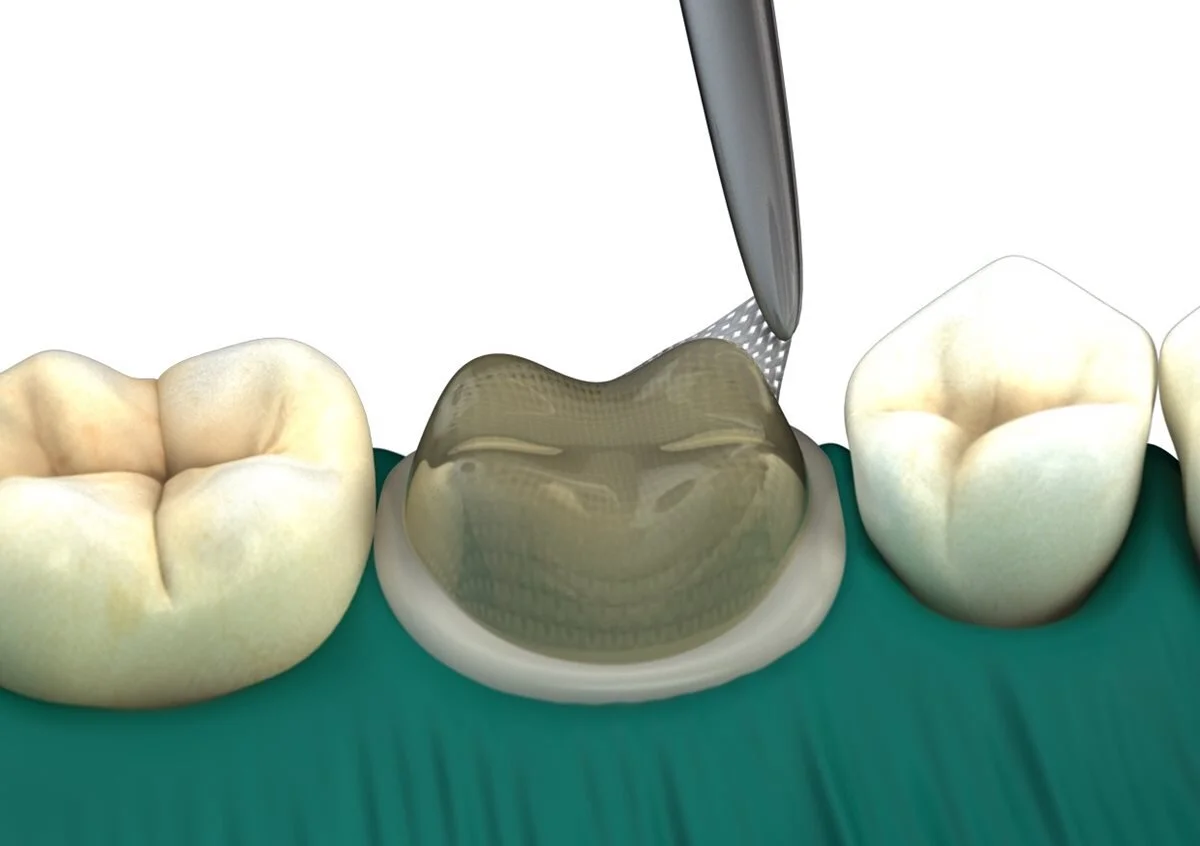
The Silent Mechanics Behind Restoration Failure
The Physics of the Perfect Seal
When you undergo a dental procedure to repair a cavity, the goal is to create a seamless bond between the natural tooth structure and the artificial material. However, achieving this perfect union is a battle against physics and chemistry. The primary culprit in this microscopic struggle is a phenomenon related to how modern white fillings, or resins, harden. As the material cures under a specific light, it undergoes a chemical process that forces it to solidify. During this transformation, the material naturally reduces in volume. This is known as composite shrinkage.
Imagine a material that wants to pull itself together into a tighter ball as it hardens. Because this material is glued to the walls of your tooth, a "tug-of-war" ensues. If the bond strength isn't sufficient to counteract this shrinking force, the material pulls away from the tooth wall. This creates a microscopic breach—often thinner than a human hair—known as a lack of marginal integrity. While invisible to the naked eye, this gap is large enough for bacteria and fluids to enter.
Furthermore, the oral environment is incredibly hostile. We subject our teeth to extreme temperature fluctuations daily. Sipping hot coffee causes materials to expand, while eating ice cream causes them to contract. Unfortunately, natural tooth enamel and synthetic filling materials expand and contract at different rates. Over months and years, this constant push and pull fatigues the adhesive layer, potentially breaking the seal and allowing the gap to widen.
| Stress Factor | Mechanism of Action | Consequence |
|---|---|---|
| Material Curing | The resin shrinks in volume by 2-5% as it hardens. | Creates immediate tension at the bonding interface. |
| Thermal Cycling | Hot and cold foods cause expansion and contraction. | Weakens the bond over time due to material fatigue. |
| Chewing Load | Biting forces cause slight flexing of the tooth and filling. | Can cause micro-cracks or separation at the margins. |
| Cavity Shape | Deep, confined spaces increase stress on the walls. | Higher risk of the filling pulling away from the floor of the cavity. |
Recognizing the Subtle Signs of Trouble
When Sweets Become a Source of Pain
One of the most confusing symptoms for patients is pain triggered specifically by sugary foods. You might expect a cavity to hurt when you drink ice water, but a sharp "zing" from a piece of chocolate often indicates a failure in the seal of a previous restoration. This specific type of discomfort, often described as sensitivity to sweets, is directly linked to the fluid dynamics within the tooth.
When there is a microscopic gap between the filling and the tooth, sugary fluids can seep into this space. Because of the high sugar concentration, a difference in osmotic pressure is created. This pressure pulls fluid out of the tiny tubules within the dentin (the sensitive layer under the enamel) at a rapid rate. This fluid movement stimulates the nerve endings, resulting in a sharp, distinct pain. It is a clear warning sign that the seal is compromised.
Beyond the immediate discomfort, the long-term implications are far more severe. These gaps serve as a highway for bacteria to bypass your toothbrush and settle deep inside the tooth. Once established, these bacteria release acids in a protected environment where saliva cannot neutralize them. This leads to recurrent decay, also known as secondary caries. The tragedy of this condition is that the tooth often looks healthy from the outside, while significant damage is occurring underneath the filling. By the time the patient feels a constant toothache, the decay may have reached the nerve, necessitating a root canal or more invasive procedures.
Modern Defenses Against Microscopic Gaps
Advanced Techniques for Lasting Bonds
To combat these microscopic failures, modern dentistry has evolved significantly. Practitioners now employ sophisticated strategies to minimize stress on the tooth and ensure a durable seal. One of the most effective methods is "incremental layering." Instead of filling a cavity with a single large bulk of material, the dentist applies the resin in thin, small layers. By curing each layer individually, the shrinkage stress is minimized and distributed more evenly, preserving the delicate hybrid layer where the resin interlocks with the tooth.
Additionally, the materials themselves have become "smarter." Dentists often use a flowable liner—a more flexible, liquid-like resin—at the base of the cavity. This layer acts as a shock absorber, or a stress-breaking cushion, adapting perfectly to the irregularities of the tooth floor and flexing slightly as the overlaying hard material shrinks. This simple step can drastically reduce the risk of gap formation.
Newer classes of "bioactive" materials are also entering the market. These smart materials can release essential minerals like fluoride, calcium, and phosphate, which help the tooth heal itself and maintain a higher pH level to discourage bacterial growth. However, even with the best materials, the technique is paramount. Proper isolation of the tooth to prevent moisture contamination during bonding is the first line of defense. By combining meticulous technique with advanced chemistry, dental professionals can significantly extend the life of restorations.
Q&A
-
What is marginal integrity in dental restorations, and why is it important?
Marginal integrity refers to the seal and fit between a dental restoration and the surrounding tooth structure. It is crucial because poor marginal integrity can lead to gaps where bacteria can infiltrate, potentially causing secondary caries and compromising the longevity of the restoration.
-
How does composite shrinkage affect dental restorations?
Composite shrinkage occurs when the resin material used in dental restorations contracts as it cures. This shrinkage can lead to gaps at the margins of the restoration, increasing the risk of marginal integrity issues and secondary caries, as well as post-operative sensitivity.
-
What role does the hybrid layer play in preventing recurrent decay?
The hybrid layer is a complex structure formed by the infiltration of resin into the demineralized dentin. It acts as a crucial barrier that seals the tooth structure and prevents bacterial penetration. A well-formed hybrid layer can significantly reduce the risk of recurrent decay by ensuring a strong bond and seal.
-
Why might someone experience sensitivity to sweets after a dental restoration?
Sensitivity to sweets after a dental restoration could be due to exposed dentin or marginal gaps that allow sugary substances to reach sensitive areas of the tooth. It may also result from improper bonding or composite shrinkage, which can expose nerve endings in the tooth.
-
What are the implications of recurrent decay for dental health?
Recurrent decay, or secondary caries, occurs around existing restorations and can lead to further tooth damage, pain, and potential tooth loss. It necessitates additional dental treatments, which can be costly and time-consuming. Maintaining marginal integrity and addressing composite shrinkage are critical in preventing recurrent decay.