
Navigating TMJ Disorders: The Interplay of Crepitus, Splints, and Arthrocentesis
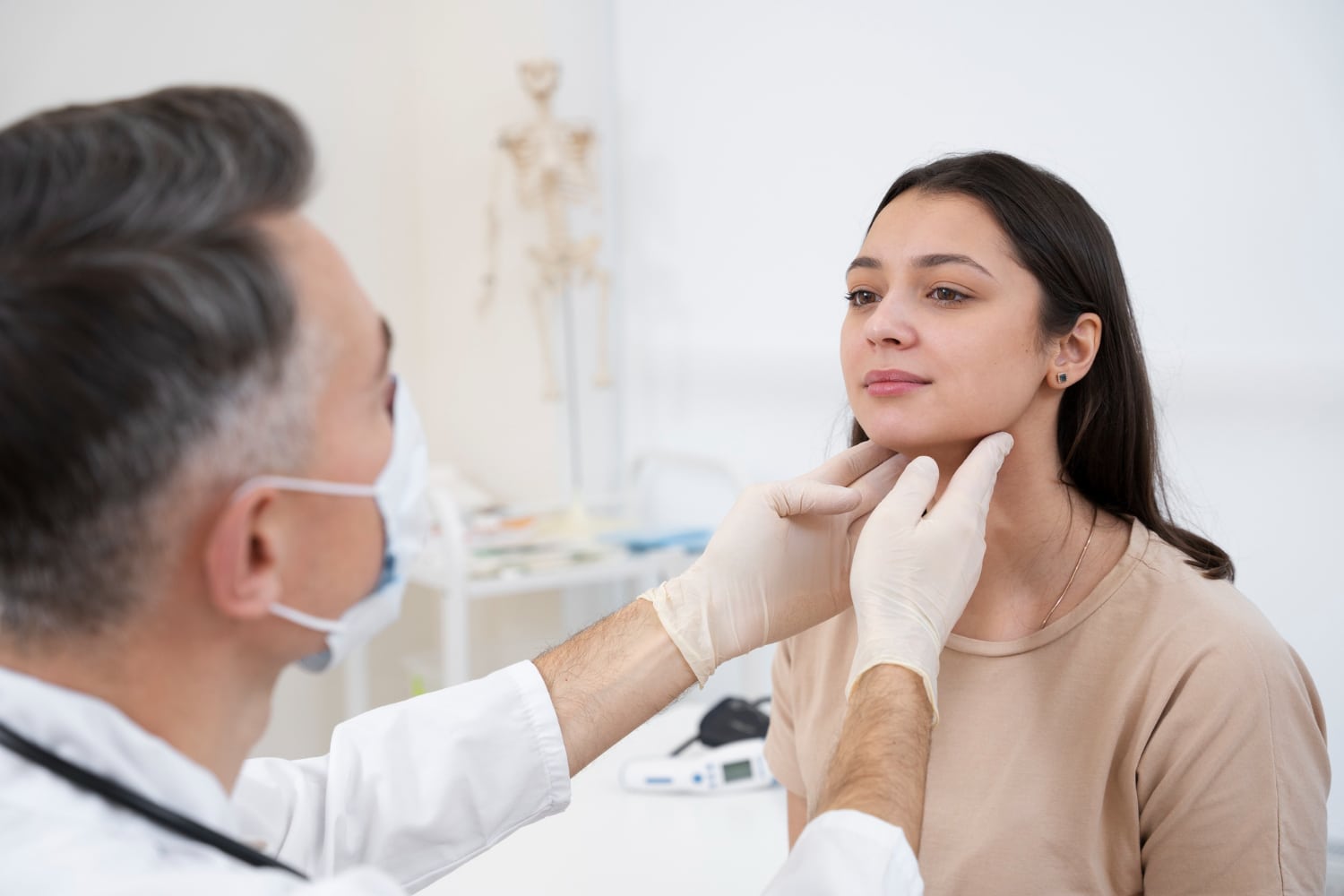
Persistent jaw discomfort, frequent headaches, or unexplained chewing difficulties often point towards a complex condition affecting your facial joints. Specialized evaluations by trained professionals involve assessing subtle signs of this intricate disorder, paving the way for targeted interventions that can alleviate discomfort and restore daily comfort and function.
Deciphering the Signals of Joint Dysfunction
Beyond Simple Clicking: Interpreting Joint Sounds
Many individuals experience odd sensations in their jaw during daily activities, such as eating or yawning, but often dismiss them as minor annoyances. However, the specific type of sound emanating from the jaw joint can be a critical diagnostic indicator for dental professionals. While a distinct "pop" or "click" might suggest a displacement of the articular disc—the cushion that facilitates smooth movement between the skull and the lower jaw—there is a more concerning sound that requires attention. This is a rough, grating noise often described as hearing sand or gravel in the ear near the jawline.
In clinical terms, this grating sound is associated with the degeneration of the joint surfaces. Unlike a simple click, which implies a mechanical slip, this friction suggests that the smooth cartilage covering the bone has worn down, leading to bone-on-bone contact or a roughening of the articular surfaces. Ignoring this auditory signal because it is not accompanied by acute pain can be a mistake. It serves as a barometer for the internal health of the joint. Early identification of these sounds allows professionals to intervene before the condition progresses to a state where the joint morphology is permanently altered.
Professionals use auscultation (listening with a stethoscope) and palpation to differentiate between these sounds. They assess the timing and quality of the noise to determine if the issue is purely muscular or if it involves structural degradation. This distinction is vital because the presence of significant friction or roughness often necessitates a different treatment approach than simple muscular tightness. For instance, if the joint lubrication is severely compromised, standard therapies may need to be supplemented with procedures aimed at restoring fluid movement within the joint capsule.
The Range of Motion and Referred Pain
Another primary method for assessing the severity of facial joint disorders is the evaluation of the jaw's range of motion. A simple self-check often used is the "three-finger test." A healthy jaw should typically accommodate three fingers inserted vertically between the upper and lower teeth without strain. If a patient can only fit two fingers, or if the jaw deviates to the left or right upon opening, it indicates a restriction. This limitation is frequently caused by shortening or spasming of the muscles responsible for moving the jaw, preventing full extension.
This restriction is rarely an isolated mechanical failure; it is often the result of chronic overuse, such as nighttime clenching or grinding (bruxism). When the muscles are overworked during sleep, they become rigid and inflamed, leading to stiffness upon waking. However, the symptoms of this muscular strain are not always felt directly in the jaw. Due to the complex network of nerves in the head and neck, pain is often "referred" to other areas. Patients frequently report chronic temple headaches, stiff shoulders, earaches, or even tinnitus (ringing in the ears) without realizing these are byproducts of jaw dysfunction.
Recognizing these referred symptoms is crucial for accurate diagnosis. A patient complaining of unexplained tension headaches may actually be suffering from myofascial trigger points located in the chewing muscles. By evaluating the trajectory of the jaw opening and the tightness of the surrounding musculature, clinicians can pinpoint whether the root cause lies within the joint capsule or in the soft tissues. This holistic assessment ensures that treatment targets the source of the tension rather than just managing the resulting headache or neck pain.
| Symptom Observation | Potential Underlying Mechanism | Clinical Significance |
|---|---|---|
| Audible Clicking/Popping | Displacement of the articular disc (cushion) during movement. | Indicates mechanical incoordination; common but requires monitoring to prevent progression to locking. |
| Grating "Sand-like" Sound | Roughness or degeneration of the bone surfaces and cartilage. | Suggests structural changes or osteoarthritis; often indicates a need for joint preservation therapies. |
| Limited Opening (<3 fingers) | Muscular guarding or physical obstruction within the joint. | Signals acute inflammation or chronic muscle shortening; requires mobilization and relaxation strategies. |
| Morning Stiffness/Headache | Nocturnal parafunction (clenching/grinding). | Highlights unconscious habits affecting the system; primary indicator for protective appliance therapy. |
Therapeutic Interventions and Structural Support
The Role of Custom Oral Appliances
When conservative management strategies are insufficient, the frontline medical intervention typically involves the use of intraoral appliances. While often referred to generically as "night guards," therapeutic devices prescribed by specialists serve a much more complex function than simply protecting tooth enamel from grinding. These custom-fabricated devices are designed to alter the relationship between the upper and lower jaw, effectively reprogramming the muscle activity and reducing the load on the joint interface.
The efficacy of this therapy relies heavily on precision. Unlike over-the-counter boil-and-bite guards, which are soft and often bulky, a professionally fitted appliance is crafted from hard acrylic based on digital scans or precise molds of the patient's mouth. A soft, store-bought guard can sometimes exacerbate the issue by encouraging the patient to chew on the rubbery material, thereby increasing muscle activity. In contrast, a hard, smooth surface allows the opposing teeth to glide freely, removing the friction that triggers clenching reflexes. This "disclusion" allows the hyperactive muscles to finally relax and recover.
Furthermore, these appliances can be adjusted to act as a diagnostic tool. By stabilizing the jaw position, the clinician can observe how the muscles respond when the interference of a bad bite is removed. If the pain subsides significantly with the appliance, it confirms that the occlusion (bite) or muscle tension was a primary driver of the disorder. This period of stabilization is often necessary to allow the inflammation within the joint capsule to subside, acting as a "crutch" for the jaw while it heals from chronic trauma.
Advanced Diagnostic Pathways and Procedures
In cases where symptoms persist despite compliance with appliance therapy, the diagnostic focus must shift toward more deep-seated structural or biological issues. At this stage, advanced imaging and evaluation techniques become essential. Clinicians look beyond the muscles to examine the integrity of the joint's internal environment. If the "sand-like" sounds mentioned earlier are prominent and accompanied by persistent pain or a sudden inability to open the mouth wide (locking), it may indicate that the articular disc is adhered or that the synovial fluid lubricating the joint is filled with inflammatory byproducts.
When the joint is structurally compromised, simply relaxing the muscles may not be enough. The concept of "washing out" the joint, known in medical terms as arthrocentesis, represents a minimally invasive bridge between conservative care and surgery. This procedure involves flushing the joint space with sterile fluid to remove inflammatory chemicals and break down minor adhesions that restrict movement. While not always the first line of defense, understanding that such options exist is reassuring for patients who feel "stuck" in their recovery journey.
Additionally, the investigation into root causes often uncovers dental issues that contribute to joint instability. A deep bite that forces the jaw backward, missing back teeth that collapse the bite height, or ill-fitting restorations can all force the jaw into a pathological position. Correcting these issues—sometimes through restorative dentistry or orthodontics—becomes part of the long-term solution. The goal moves from immediate pain relief to reconstructing a bite that supports, rather than strains, the delicate facial joints.
The Holistic View: Mind, Body, and Long-Term Health
Stress Management and Biocompatibility
It is impossible to treat facial joint disorders effectively without acknowledging the profound connection between the mind and the body. The masticatory system is one of the primary outlets for psychological stress. When the brain perceives anxiety or pressure, the body's natural "fight or flight" response often manifests as a tightening of the jaw muscles. This unconscious bracing creates a feedback loop: stress causes clenching, clenching causes pain, and pain causes more stress. Therefore, successful treatment protocols often include behavioral modification techniques alongside physical therapies.
Patients are encouraged to develop an awareness of their jaw position during the day. The mantra "lips together, teeth apart" helps maintain a physiological rest position that minimizes strain. Furthermore, the materials used in dental restorations can play a role in overall inflammation and comfort. For patients with high sensitivity or allergies, modern metal-free materials like zirconia are increasingly favored. These biocompatible materials are less likely to accumulate plaque or irritate the surrounding soft tissues, supporting a healthier environment for the entire oral system.
Ultimately, resolving these complex disorders requires a partnership between the patient and the provider. It involves not just fixing a mechanical fault, but also addressing the lifestyle factors—such as sleep quality, posture, and stress levels—that fuel the condition. By combining precise medical interventions with a holistic approach to well-being, patients can break the cycle of pain and regain the quality of life they deserve.
Q&A
-
What is myofascial pain and how is it related to jaw disorders?
Myofascial pain is a chronic pain disorder caused by sensitivity and tightness in the myofascial tissues. This condition can affect the jaw muscles and is often associated with temporomandibular joint disorders (TMD). Stress, teeth grinding, and poor posture can exacerbate this condition, leading to discomfort and limited jaw movement.
-
What causes joint crepitus in the temporomandibular joint (TMJ) and how can it be managed?
Joint crepitus refers to the grinding or crackling sound in the TMJ, often caused by cartilage wear, disc displacement, or arthritic changes. Management may include physical therapy, occlusal splints to reduce stress on the joint, and anti-inflammatory medications. In severe cases, surgical interventions might be necessary.
-
How do occlusal splints help with masticatory muscle tension?
Occlusal splints are custom-made dental appliances designed to reduce pressure on the jaw joints and muscles. They help alleviate masticatory muscle tension by preventing teeth grinding and clenching during sleep, which can lead to muscle fatigue and pain. Regular use of splints can improve overall jaw function and reduce the risk of TMD symptoms.
-
What are the potential causes of jaw locking and what treatments are available?
Jaw locking can occur due to disc displacement within the TMJ, muscle spasms, or severe inflammation. Treatment options include manual manipulation to reposition the disc, physical therapy to strengthen jaw muscles, and the use of anti-inflammatory medications to reduce swelling. In some cases, arthrocentesis procedures may be required to flush out the joint.
-
What is the role of arthrocentesis procedures in treating TMJ disorders?
Arthrocentesis is a minimally invasive procedure used to treat TMJ disorders by flushing out the joint space to remove inflammatory byproducts and improve joint mobility. This procedure can relieve pain and restore normal jaw function, particularly in patients with joint effusion or disc displacement. It is often considered when conservative treatments fail to provide relief.