
Nurturing Smiles: Easing Dental Anxiety in Kids
Visits to the dentist can evoke significant worries for young ones, yet the right approaches can transform these experiences into positive ones. By understanding psychological patterns and employing techniques centered around young minds, professionals can create a more comforting atmosphere, alleviating apprehensions and fostering trust among youthful visitors.
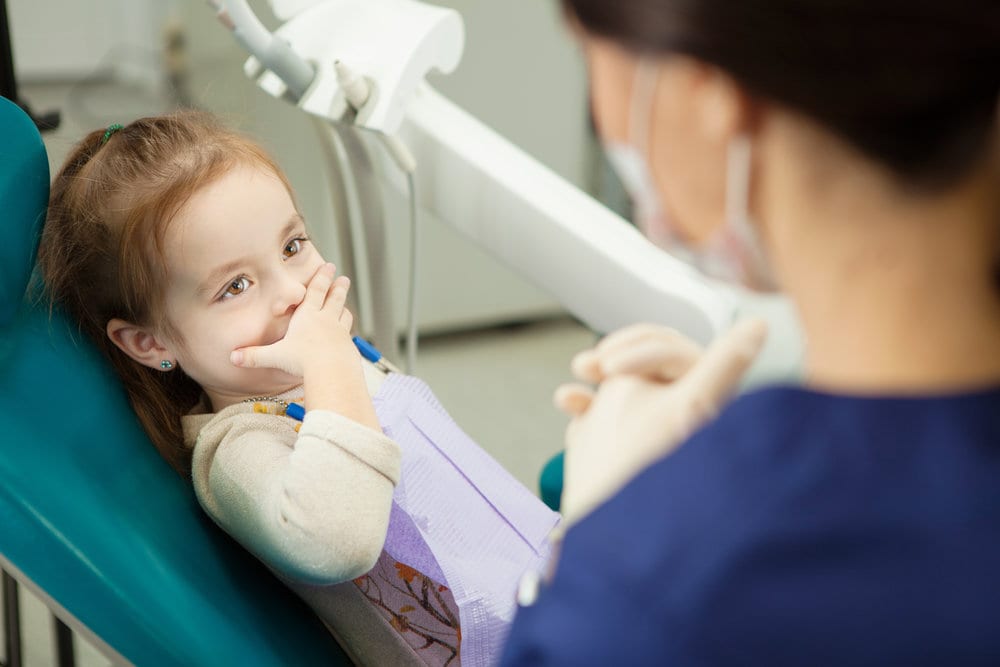
Decoding the Roots of Fear and Resistance
Sensory Overload and the Fear of the Unknown
For adults, the sights and sounds of a clinic are mundane background noise, but for a child, they can be an assault on the senses. The distinct chemical odors, the blinding glare of examination lights, and, most notably, the high-pitched whine of suction devices or drills can directly trigger a biological fight-or-flight response. The mouth is an incredibly vulnerable and personal space; having a stranger insert cold, metallic instruments into this area naturally provokes a defensive reaction in young children who have not yet developed the cognitive framework to understand the necessity of the procedure.
Furthermore, the primary source of stress for many children is not necessarily pain, but the sheer unpredictability of the situation. Unlike adults, children cannot anticipate the sequence of events in a medical procedure. When a child does not understand what a tool is for or how long a sensation will last, their imagination often fills in the blanks with terrifying scenarios. A splash of water or a burst of air pressure, which is objectively painless, can be misinterpreted by a heightened nervous system as actual pain. This is not merely "acting out"; it is a genuine manifestation of anxiety regarding the unknown. Acknowledging that these reactions are rooted in sensory sensitivity and confusion, rather than disobedience, is the crucial first step in managing their care effectively.
The Impact of Past Trauma and Social Conditioning
A child’s reluctance is often rooted in "imprinting" from previous negative experiences, even if those experiences did not occur in a dental chair. Memories of a painful vaccination or a frightening fall can resurface the moment they see a professional in a white coat or smell a clinical disinfectant. Because children possess vivid imaginations and strong associative memories, a single instance of pain or fear in a medical setting can generalize across all healthcare providers. They do not differentiate between a doctor giving a shot and a dentist counting teeth; to them, the environment signals danger based on historical data.
External influences also play a massive role in shaping a child's mindset before they ever walk through the door. Siblings or school friends often share exaggerated "war stories" about their visits, planting seeds of terror about drills or extraction. Surprisingly, well-meaning adults often contribute to this anxiety unintentionally. Phrases intended to soothe, such as "It won't hurt" or "Don't be scared," can backfire paradoxically. By using words like "hurt" or "pain," even in a negative context, the child’s brain fixates on those specific concepts, heightening their alertness. This linguistic priming sets a baseline of suspicion, making the child wonder why their safety is being reassured if there wasn't a potential for danger in the first place.
The Vital Role of Parents and Environment
Breaking the Cycle of Parental Anxiety
One of the most overlooked factors in a child's ability to cope with dental appointments is the psychological state of their guardians. Children are incredibly perceptive and look to their parents as an emotional barometer. If a parent harbors their own dental phobias, harbors tension, or grips their child’s hand too tightly in the waiting room, the child instinctively decodes this body language as a warning. This phenomenon, known as "emotional contagion," means that a parent’s unspoken stress is rapidly transferred to the child, validating the child's fear that the clinic is a hostile environment.
To counter this, parents must act as a stabilizing anchor. The most effective support strategy is for the parent to model calmness and trust in the dental team. When a child sees their parent chatting casually with the staff and appearing relaxed, it signals that the environment is safe. Conversely, parents who obsessively research complications online or hover anxiously during the exam can inadvertently amplify the child's distress. The goal is for the parent to function as a "secure base." This doesn't require constant verbal reassurances; simply sitting quietly with a relaxed posture and a warm expression can do wonders. When the parent is calm, the child feels permissible to let their guard down.
| Parental Action | Impact on Child's Psychology | Alternative Approach |
|---|---|---|
| Saying "It won't hurt" | Triggers alertness to the word "hurt" and suspicion. | Use positive phrasing: "We are going to make your teeth shiny." |
| Anxious hovering | Signals that the child is in danger and needs protection. | Sit back calmly, allowing the dentist to lead the interaction. |
| Sharing personal fears | Validates that the dentist is scary. | Frame the visit as a normal, routine errand like getting a haircut. |
| Apologizing after care | Implies the child was subjected to something wrong. | Praise their bravery: "You did such a great job opening wide!" |
Designing Comfort into the Care Environment
The physical environment of a practice significantly influences a child's initial emotional response. Traditional clinics, with their sterile white walls and medicinal smells, can feel cold and intimidating. To combat this, modern pediatric care focuses on curating spaces that feel less like hospitals and more like welcoming community hubs. By incorporating warm lighting, soft colors, and furniture scaled to a child's size, the immediate visual threat is neutralized. When a child walks in and sees a space that looks fun rather than functional, the instinctive alarm bells in their brain are quieted, shifting their mindset from "danger" to "curiosity."
Beyond aesthetics, physical comfort on the treatment chair is paramount. Adult-sized chairs can make children feel small, slippery, and vulnerable. Using pediatric-specific cushioning or supports helps the child feel physically secure and contained, rather than exposed. This tactile reassurance complements the visual cues. Furthermore, many practices are now designing open-plan bays or allowing parental presence in the operatory to maintain that crucial emotional connection. By systematically removing the sensory triggers associated with "hospitals"—the starkness, the coldness, the isolation—the environment itself becomes a therapeutic tool that actively lowers the child's cortisol levels before the dentist even enters the room.
Communication and Modern Distraction Methods
Tailoring Communication for Young Minds
Bridging the gap between complex medical procedures and a child's understanding requires a specialized communication style often referred to as "Tell-Show-Do." This method demystifies the unknown by explaining what will happen in simple, non-threatening terms, demonstrating it (perhaps on a finger or a doll), and then performing the action. Using "pediatric glossaries"—substituting scary words with friendly metaphors—is essential. For instance, a suction tube becomes "Mr. Thirsty," and the curing light becomes a "star flashlight." This narrative approach turns a medical procedure into a cooperative story where the child is a participant rather than a passive subject.
Staff demeanor is equally critical; a soft voice, a smile, and maintaining eye level can build instant rapport. The goal is to obtain the child's assent and understanding, giving them a sense of control. If a child becomes overwhelmed or uncooperative, it is rarely due to naughtiness but rather an inability to process the stress. In these moments, validating their feelings by saying, "It’s okay to feel worried, but we are almost done," is far more effective than scolding. By respecting the child's emotional state and explaining processes clearly, professionals build a foundation of trust. This investment in communication ensures that the child leaves with a sense of accomplishment, paving the way for easier visits in the future.
Leveraging Technology and Preparation
In the digital age, technology serves as a powerful ally in managing dental anxiety, both before and during the appointment. Preparation can start at home by using screens to preview the experience. Watching animated videos where beloved characters visit the dentist helps children visualize the sequence of events—sitting in the chair, opening their mouth, and hearing the sounds. This "virtual rehearsal" removes the element of surprise. When a child sees a cartoon character navigating the experience safely, they can model that behavior. It transforms the vague concept of "the dentist" into a concrete, manageable scenario.
During the actual treatment, digital distraction is a highly effective technique for diverting attention away from sensory triggers. Many pediatric offices now install ceiling-mounted televisions or provide virtual reality headsets that allow children to immerse themselves in cartoons or movies while reclining. By engaging the visual and auditory senses with pleasant content, the brain processes less of the tactile sensations occurring in the mouth. Additionally, interactive games in the waiting area can shift the child's focus from anticipation anxiety to play. These positive digital interactions help reframe the dental office as a place of entertainment rather than endurance, significantly reducing the subjective experience of stress or discomfort.
| Distraction Type | Mechanism of Action | Best Application |
|---|---|---|
| Ceiling-Mounted TV | Passive visual engagement; keeps head back and still. | During cleanings or longer restorative procedures. |
| Interactive Tablets | Active cognitive engagement; reduces waiting room anxiety. | Pre-appointment waiting time to build positive association. |
| Headphones/Music | Auditory masking; blocks out drill or suction sounds. | For children sensitive to high-pitched mechanical noises. |
| Preparation Videos | Cognitive reframing; creates a mental "script" for the visit. | At home, 1-2 days prior to the appointment. |
Q&A
-
What are some features of child-friendly dental offices?
Child-friendly dental offices often include colorful and engaging decor, toys, and games in the waiting area, and staff trained in pediatric care to create a welcoming environment. These features help alleviate anxiety and make dental visits more enjoyable for children.
-
How do behavior guidance techniques benefit children during dental visits?
Behavior guidance techniques, such as tell-show-do, positive reinforcement, and distraction, help children understand dental procedures and reduce fear. By using these techniques, dentists can effectively communicate with children and build trust, leading to a more positive dental experience.
-
When is sedation dentistry for kids considered necessary?
Sedation dentistry for kids may be necessary for children who experience extreme anxiety, have special needs, or require extensive dental work. It helps ensure the child remains calm and still during procedures, allowing the dentist to work efficiently and safely.
-
What are some effective parental support strategies for preparing a child for a dental visit?
Parents can support their children by discussing the dental visit in a positive manner, reading books about dental care, or watching videos that depict friendly dental visits. Additionally, parents should encourage questions and provide honest answers to help ease any fears.
-
Why is positive reinforcement important in pediatric dentistry?
Positive reinforcement, such as praise or small rewards, encourages good behavior and cooperation during dental visits. It helps children associate dental care with positive outcomes, increasing their willingness to participate in future visits without fear or resistance.