
Navigating the World of Denture Repairs: From Kits to Professional Help
Tiny fractures or breakages in your dental prosthetic need quick attention to uphold not only aesthetics but also functionality. Choosing between expedited solutions at a specialized clinic or adjusting things yourself at home demands an understanding of available methods and their suitability to each unique situation.
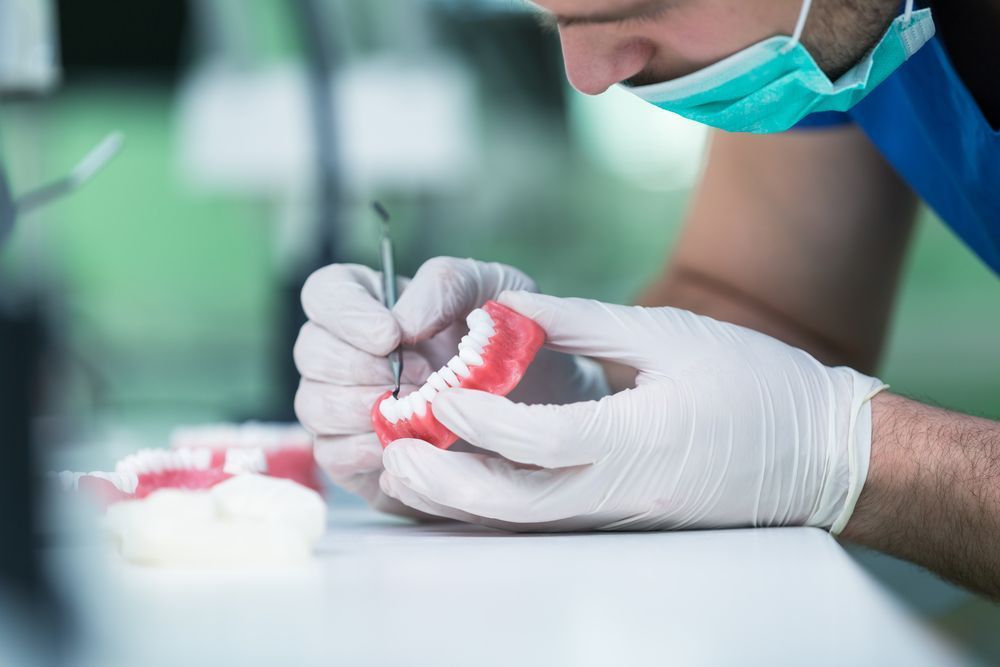
Assessing the Feasibility of Self-Correction
Identifying Minor Issues Versus Complex Structural Breaks
When a dental appliance breaks, the timing is rarely convenient. It often happens during dinner, late at night, or while traveling, making immediate access to a specialist impossible. in these high-pressure moments, commercial restorative kits available at pharmacies can serve as a temporary bridge. These over-the-counter solutions are generally designed for very specific, low-stress repairs, such as reattaching a single tooth that has popped out of the base or filling a very minor hairline fracture that does not compromise the structural integrity of the plate. If the damage is purely cosmetic and does not affect how the device sits on your gums, a home kit can be a psychological lifesaver, allowing you to smile or attend social functions without embarrassment until you can see a professional.
However, it is crucial to recognize the mechanical limits of these DIY solutions. The forces exerted by the human jaw during mastication are incredibly strong. If the acrylic base has snapped in half or if there is a complex fracture running through the main body of the prosthetic, a simple surface adhesive will not hold. The leverage applied when chewing will almost certainly cause the device to snap again, potentially causing injury to the soft tissues of the mouth. Furthermore, if the metal clasps or framework are bent or distorted, attempting to bend them back yourself can weaken the metal, leading to a complete failure of the retention mechanism. In cases of major structural damage, the "repair" is often an illusion that provides a false sense of safety, whereas the reality requires industrial-strength reinforcement that can only be achieved in a lab.
The Hidden Dangers of Household Adhesives
A common and dangerous misconception is that general household super glues or industrial adhesives are suitable for fixing dental appliances. In a moment of panic, it is tempting to grab whatever strong glue is in the kitchen drawer, but this is one of the most detrimental actions one can take. Standard cyanoacrylate glues are not biocompatible; they contain chemicals that are toxic when ingested or when they leach into the saliva. Placing these substances in the mouth can lead to chemical burns on the gums, allergic reactions, and systemic toxicity. The oral environment is wet and warm, conditions that can cause non-medical glues to degrade rapidly, releasing their harmful components directly into the body.
Beyond the health risks, using household glue creates a technical nightmare for dental professionals. Dental acrylics are porous and bond through a specific chemical reaction. Industrial glues often melt or distort the plastic surface of the prosthetic. Once a layer of super glue has been applied, it creates a barrier that prevents professional dental resin from bonding correctly later on. When you finally take the device to a technician, they often cannot simply remove the glue; the distorted edges mean the pieces no longer fit together with the necessary precision. This frequently renders the prosthetic unrepairable, turning what could have been a moderate repair bill into the significant expense of fabricating an entirely new set of teeth.
| Feature | Specialized Repair Kits (Pharmacy) | Household Super Glue / DIY Adhesives |
|---|---|---|
| Safety | Generally safe for short-term oral use. | High Risk: Contains toxins and chemicals not meant for internal use. |
| Intended Use | Temporary re-cementing of teeth or minor cracks. | Wood, metal, plastic (industrial applications). |
| Impact on Future Repair | Can usually be removed by a technician. | Melts plastic; often makes professional repair impossible. |
| Durability | Low; meant as a stop-gap measure. | Brittle; fails under the moisture and pressure of the mouth. |
Immediate Response and Safety Protocols
Steps to Take Right After Damage Occurs
The moment a breakage occurs, the immediate reaction is often panic, followed by an urge to put the device back in the mouth to see if it still "works." This instinct must be suppressed. Wearing a broken appliance is dangerous; sharp acrylic edges can severely lacerate the tongue, cheeks, or gums, leading to painful ulcers or infections. Furthermore, there is a significant risk of aspirating or swallowing small, broken fragments. The first step is to calmly remove the prosthetic and all loose pieces from the mouth. If a piece has fallen onto the floor, avoid using a vacuum cleaner; instead, search visually and carefully to ensure you recover every shard. Even the smallest chip can be essential for a technician to reconstruct the original shape accurately.
Once all components are retrieved, they must be preserved correctly. Dental prosthetics are designed to exist in a moist environment; allowing them to dry out completely can cause the acrylic to warp or shrink, altering the fit. Place the broken pieces in a container filled with water or a denture-soaking solution. This prevents distortion and keeps the material clean. Do not attempt to scrub the broken edges with a toothbrush or toothpaste, as this can round off the fracture lines, making it harder to fit the pieces back together seamlessly. At this stage, contact a dental professional immediately. Many clinics offer emergency slots for such repairs. If you possess an older, spare set of teeth—even if the fit isn't perfect—cleaning them and using them as a temporary backup is far safer and more effective than trying to endure a broken device or going without teeth entirely.
The Long-Term Economics of Repair
Weighing Short-Term Savings Against Future Risks
The choice between a DIY fix and professional restoration often comes down to a perceived trade-off between immediate cost and convenience versus long-term functionality. Store-bought kits are undeniably cheap and accessible, providing an instant solution that appeals to the wallet. However, this cost-saving measure can be deceptive. A prosthetic that is repaired at home is rarely aligned with the microscopic precision required for a healthy bite. Even a discrepancy of a fraction of a millimeter can disrupt the occlusion (the way teeth meet), creating high pressure points on the gums and underlying bone.
Over time, an ill-fitting appliance does more than just cause discomfort; it accelerates bone resorption (the shrinking of the jawbone) and can cause chronic inflammation or tissue overgrowth. When the bite is unbalanced, the prosthetic acts like a lever, rocking and traumatizing the soft tissue with every chew. While a professional repair involves a higher upfront cost and the inconvenience of being without teeth for a day or two, the technician does not just glue the pieces together. They reinforce the fracture with metal or fresh acrylic, check the occlusion, and polish the surface to prevent bacterial accumulation. Investing in professional help is essentially an investment in the longevity of the appliance and the health of the oral cavity, preventing the need for much more expensive medical interventions down the line.
| Repair Method | Potential Risks to Oral Health | Long-Term Durability |
|---|---|---|
| Self-Adjustment (Sanding/Filing) | Removes critical surface detail; destroys suction/retention; creates rough spots for bacteria. | Very Poor: Usually ruins the fit permanently. |
| Home Repair Kit | Misalignment of bite; irritation to gums; risk of swallowing loose parts. | Low: Temporary fix only; prone to re-breaking. |
| Professional Lab Repair | Minimal risk; ensures bite balance and material compatibility. | High: Restores structural integrity and proper function. |
The Consequence of Ignoring Root Causes
Finally, it is vital to understand that dental appliances rarely break without a reason. While dropping them in the sink is a common cause of accidental damage, breakage during eating often signals an underlying issue with the fit or the changing shape of the jaw. As the jawbone naturally shrinks over time, the prosthetic loses its stable foundation. This creates a rocking motion during chewing, which causes flexural fatigue in the acrylic material, eventually leading to a snap.
Fixing the crack at home addresses the symptom, not the disease. If the underlying cause is a poor fit, the device will simply break again, likely in a different spot. Professional intervention provides an opportunity not just to patch the crack, but to evaluate why it happened. A dentist can assess if the appliance needs a reline—a procedure to resurface the tissue side of the prosthetic to match the current shape of the gums—or if the bite needs adjustment. Ignoring these structural signals and relying on repeated patch jobs can lead to a cycle of breakage and discomfort, ultimately shortening the lifespan of the prosthetic and compromising the user's quality of life.
Q&A
-
What are the common causes that require emergency denture repair?
Emergency denture repair is often needed due to accidents that cause the dentures to fall and crack, biting on hard foods, or gradual wear and tear over time. Ill-fitting dentures can also lead to breakage, requiring immediate attention to avoid discomfort or further damage.
-
Is it possible to perform denture relining at home, and what should one consider?
Yes, denture relining can be done at home using a denture reline kit. These kits typically contain materials to reshape the inner surface of the dentures for a better fit. However, it's crucial to follow the instructions carefully and consult a dental professional if there are any concerns about fit or comfort.
-
How do denture repair kits work for fixing cracked dentures?
Denture repair kits usually include an adhesive, a bonding agent, and sometimes a temporary tooth replacement. For a cracked denture, the kit allows you to temporarily bond the pieces together until you can see a professional for a more permanent solution. It's important to ensure the kit is designed specifically for your type of denture material.
-
Why should someone opt for professional denture repair over DIY methods?
Professional denture repair is recommended for complex issues or when precision and durability are needed. Dental technicians have the expertise to assess the damage and use specialized equipment to ensure a secure and lasting repair, which DIY methods might not achieve.
-
What are the options for replacing a broken tooth on dentures?
Replacing a broken tooth on dentures can be done using a denture repair kit for a temporary fix, but a professional repair is advised for a permanent solution. A dental professional can match the replacement tooth to the existing ones in color and shape, ensuring a natural appearance and proper function.