
Beyond Aesthetics: Crafting the Perfect Smile with Porcelain Veneers
Elevating one's self-assurance through a captivating smile is both an art and a science. Utilizing advanced techniques, experts carefully enhance the aesthetics of teeth with meticulously designed ultra-thin layers that seamlessly merge with natural tooth structures. This intricate process redefines appearances, offering enduring transformations with remarkable precision and artistry.
The Digital Evolution of Treatment Planning
From Virtual Concepts to Tangible Reality
The journey toward a revitalized smile has fundamentally changed, moving away from uncomfortable physical molds to a streamlined digital experience. In the past, patients often dreaded the initial consultation due to the use of dental putty—a cold, viscous material used to capture tooth impressions. Today, this has been largely replaced by intraoral scanners. These sophisticated wand-like devices capture thousands of images per second, stitching them together to create a micron-accurate 3D map of the mouth. This enhances patient comfort significantly and provides a level of detail that traditional methods simply cannot match.
More importantly, this digitalization allows for a "test drive" of the potential result. Through digital imaging software, practitioners can manipulate the 3D model to adjust the length, shape, and alignment of the teeth on screen. This phase is crucial for aligning expectations between the individual and the clinician. It transforms abstract desires into a visual plan. By seeing a simulation of the final outcome before any physical work begins, patients can provide feedback on the nuances of the design. This collaborative approach eliminates the anxiety of the unknown, ensuring that the proposed changes harmonize with facial features and lip dynamics. The result is a treatment plan that is not just medically sound but also emotionally resonant, providing a clear roadmap to the desired aesthetic goal.
| Feature | Traditional Impression Methods | Modern Digital Scanning |
| Patient Experience | Often uncomfortable, inducing gag reflex | Non-invasive, quick, and comfortable |
| Accuracy | Prone to distortion or air bubbles | High-precision data with immediate verification |
| Visualization | Static physical models | Dynamic 3D simulations adjustable in real-time |
Preserving Structure with Material Science
The Engineering Behind Ultra-Thin Restorations
A common misconception regarding aesthetic dental work is the belief that it requires aggressive modification of the natural teeth. While this was true for older generations of restorative dentistry, contemporary material science has introduced porcelain options that are incredibly thin yet exceptionally strong. These shells typically range from 0.3 to 0.5 millimeters in thickness—comparable to a contact lens. This specific dimension is a game-changer because it allows for a conservative approach to preparation.
The primary advantage of this ultra-thin engineering is the preservation of the underlying tooth structure. In many modern procedures, the clinician only needs to roughen the surface or remove a negligible amount of enamel to ensure a seamless fit. This contrasts sharply with traditional crowns, which require significant reduction of the tooth. By keeping the natural enamel intact, the structural integrity of the tooth remains robust. Once these ceramic layers are bonded to the enamel, they form a cohesive unit that mimics the mechanics of a natural tooth. This bonding process is critical; it turns a fragile flake of ceramic into a durable surface capable of withstanding the daily forces of biting and chewing. This approach not only protects oral health but also ensures that the restoration feels natural in the mouth, without the bulkiness associated with older techniques.
Merging Aesthetics with Functionality
Creating a Naturally Authentic Appearance
The ultimate goal of any cosmetic enhancement is to create a result that is indistinguishable from nature. The fear of ending up with a smile that looks "fake" or "too white" is valid, given that early cosmetic dentistry often produced monochromatic, opaque results. However, high-end aesthetic dentistry today focuses on biomimicry—the art of emulating natural biology. This involves a complex understanding of how light interacts with teeth. Natural enamel is not a single flat color; it possesses translucency, opalescence, and a gradient of shades from the gum line to the biting edge.
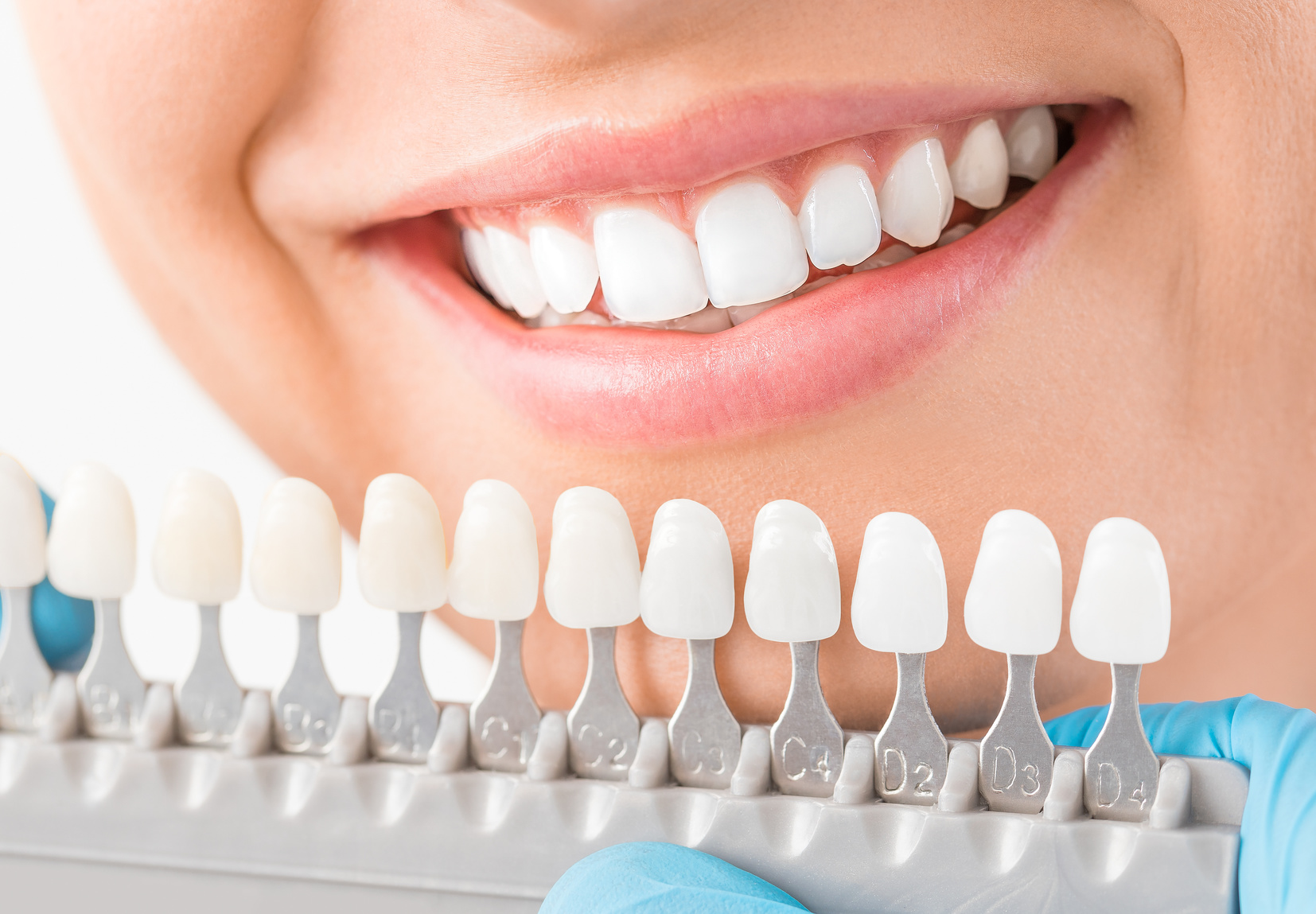
To achieve this, skilled ceramists hand-layer the porcelain to introduce depth and texture. They incorporate subtle surface anatomy, such as faint grooves and ridges, which break up light reflection and prevent the teeth from looking like plastic. The selection of the correct hue is equally important; it is not merely about choosing the brightest white, but selecting a shade that complements the patient's skin tone and eye color. Furthermore, the shape of the restoration is sculpted to support the lips and respect the gum contours. When the proportions are correct, the gums frame the teeth symmetrically, contributing to the overall "pink and white" harmony of the smile. This attention to detail ensures that the enhancement looks like an upgraded version of the patient's original smile, rather than an artificial insertion.
| Aesthetic Element | Goal in Restoration | Impact on Final Look |
| Translucency | Mimic the light-handling properties of enamel | Creates depth and prevents a "flat" appearance |
| Surface Texture | Replicate microscopic grooves and ridges | Ensures the tooth looks authentic, especially up close |
| Color Gradient | Layering shades from darker at the gum to lighter at the tip | Avoids the artificial look of solid, monochromatic color |
Q&A
-
What are porcelain laminates and how do they contribute to a smile makeover design?
Porcelain laminates, also known as veneers, are thin shells made of dental porcelain that are bonded to the front surface of teeth. They play a crucial role in smile makeover design by enhancing the appearance of teeth through improved color, shape, size, and alignment. They provide a natural-looking result that can transform a person's smile by covering imperfections such as chips, gaps, or discoloration.
-
How does enamel bonding differ from traditional dental bonding techniques?
Enamel bonding involves the application of a resin material to the enamel of the teeth, which is then hardened using a special light. This process differs from traditional dental bonding as it specifically focuses on the enamel layer, ensuring a strong adhesion and a natural appearance. Enamel bonding is often used in conjunction with other cosmetic procedures, such as porcelain laminates, to provide a comprehensive smile makeover.
-
What is gum contouring and when is it used in cosmetic dentistry?
Gum contouring is a cosmetic dental procedure used to reshape the gum line. It is commonly used in smile makeovers to address a "gummy" smile or uneven gum lines, which can affect the overall aesthetics of a smile. By removing excess gum tissue or reshaping the existing gum line, dentists can create a more balanced and visually appealing smile.
-
Why is shade selection important in the preparation of a smile makeover?
Shade selection is crucial in smile makeover design because it ensures that dental restorations, such as porcelain laminates, match the natural color of the patient’s teeth. A correct shade selection results in a harmonious and natural-looking smile. Dentists use shade guides and digital imaging to select the most appropriate shade, considering factors like skin tone and the color of surrounding teeth.
-
What role does mock-up preparation play in the planning of a smile makeover?
Mock-up preparation involves creating a physical or digital model of the proposed dental work before any actual procedures are carried out. This step is vital for both the dentist and the patient, as it provides a preview of the expected results, allowing for adjustments and approval before proceeding with the treatment. Mock-ups help ensure that the final outcome meets the patient's expectations and desires, making it an essential part of the smile makeover process.