
Navigating Dry Mouth and Bad Breath: Causes and Connections
The interplay between a parched oral cavity and unpleasant odors is more intricate than it seems. Lifestyle factors and underlying health issues intertwine to exacerbate these common oral concerns. Understanding the hidden links can illuminate new paths for alleviating discomfort and promoting a fresher experience.
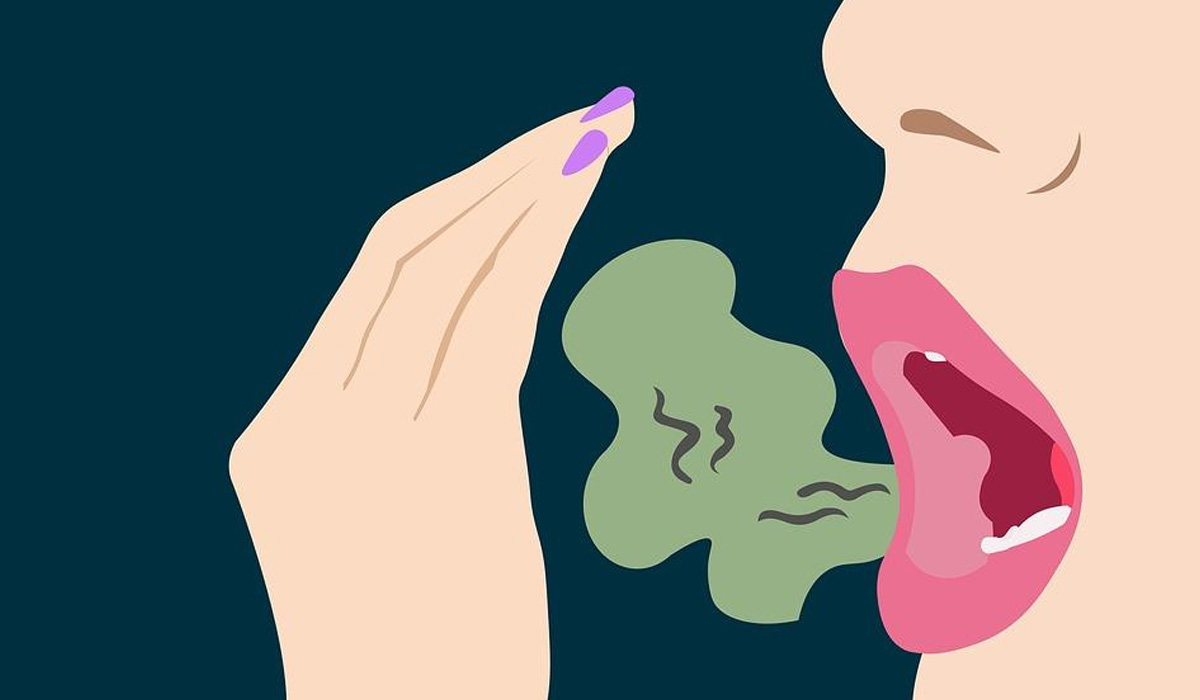
The Complex Web of Dry Mouth and Bad Breath
The interplay between a parched oral cavity and unpleasant odors is more intricate than it seems. Lifestyle factors and underlying health issues intertwine to exacerbate these common oral concerns. Understanding the hidden links can illuminate new paths for alleviating discomfort and promoting a fresher experience.
Lifestyle Habits That Silently Drain Moisture
The Dehydration Trap of Daily Beverages and Diet
It is a common irony that the very fluids we consume to quench our thirst can often contribute to a drier oral environment. In the hustle of daily life, many people rely heavily on caffeinated beverages like coffee and tea to wake up, or alcohol to unwind after work. While these drinks are liquid, they possess diuretic properties that encourage the body to expel water rather than retain it. When systemic hydration levels drop, the salivary glands are among the first organs to conserve resources, leading to a significant reduction in saliva production. This creates a physiological environment where the mouth feels sticky and dry, despite having just consumed a beverage.
Beyond what we drink, our dietary choices play a pivotal role in maintaining oral moisture. Diets high in sodium or sugary snacks can disrupt the osmotic balance within the mouth, drawing fluid out of the tissues and creating a sensation similar to localized dehydration. Furthermore, sugar does more than just dehydrate; it serves as premium fuel for the bacteria residing in the oral cavity. In a dry mouth where the natural self-cleaning function of saliva is compromised, these bacteria feast on the sugars and multiply rapidly. As they metabolize the sugar, they release volatile sulfur compounds—the gases responsible for bad breath.
Recognizing these dietary triggers is the first step toward mitigation. It is not necessarily about eliminating coffee or salty foods entirely, but rather about balancing them. Adopting a habit of chasing a cup of coffee with a glass of water, or being mindful of sodium intake, can help reset the oral environment. Simple adjustments in consumption habits can act as a preventative measure, ensuring that the body retains enough fluid to keep the salivary glands functioning optimally, thereby preventing the stagnation that allows odor-causing bacteria to thrive.
How Smoking and Vaping Sabotage Natural Defenses
Among the various lifestyle choices that impact oral health, the use of tobacco products stands out as a significant aggressor against the body's natural moisturizing systems. Whether one smokes traditional cigarettes or uses modern vaping devices, the chemical components introduced into the mouth act as irritants to the salivary glands. Nicotine and other compounds can cause inflammation in the glandular tissues, physically restricting their ability to secrete saliva. Over time, this chemical assault can lead to a chronic reduction in flow, leaving the mouth perpetually parched.
The damage is twofold: chemical and thermal. The heat generated during smoking or vaping directly evaporates moisture from the delicate mucous membranes of the mouth. This creates an arid landscape where the natural protective barrier of saliva is stripped away. Saliva is not merely water; it contains enzymes and proteins that neutralize acids and wash away debris. When this fluid is depleted by the heat and chemicals of smoking, the mouth loses its primary defense mechanism. Consequently, plaque accumulates more rapidly, and debris lingers on the tongue and teeth, providing a breeding ground for bacteria.
This lack of saliva is a direct pathway to halitosis. Without the constant washing action of saliva, the bacterial byproducts that cause odor become concentrated. Many individuals who cease smoking report a noticeable improvement in saliva production and a reduction in oral discomfort within just a few weeks. This suggests that the salivary glands have a degree of resilience, but they require a cessation of the constant thermal and chemical stress to recover. Viewing smoking cessation not just as a lung health issue, but as a critical step for restoring oral moisture, highlights the interconnectedness of our habits and our breath.
| Habit | Impact on Oral Moisture | Resulting Effect on Breath |
|---|---|---|
| Caffeine Consumption | Acts as a diuretic, signaling kidneys to expel water, reducing available fluid for saliva. | Reduces the "washing" effect of saliva, allowing bacteria to linger and produce odor. |
| High-Sodium Diet | Disrupts osmotic balance, drawing moisture out of oral tissues to handle the salt load. | Creates a sticky environment where debris adheres to teeth and tongue, fueling bacteria. |
| Smoking/Vaping | Heat evaporates moisture directly; chemicals inflame glands and inhibit secretion. | Destroys the enzymatic barrier of saliva, leading to rapid plaque buildup and strong odors. |
| High-Sugar Snacking | Does not directly dry the mouth, but feeds bacteria in an already dry environment. | Accelerates bacterial fermentation, releasing volatile sulfur gases that cause bad breath. |
Biological Triggers and Airflow Dynamics
The Hidden Cost of Mouth Breathing
Breathing is an automatic process, yet the specific pathway air takes to enter the body—whether through the nose or the mouth—has profound implications for oral health. Many people unknowingly breathe through their mouths due to habits formed in childhood, nasal congestion from allergies, or anatomical issues. When air bypasses the nasal passages, which are designed to humidify and filter the intake, and instead rushes directly over the tongue and throat, it acts like a blow dryer. This constant airflow rapidly evaporates saliva, leaving the oral tissues desiccated and vulnerable.
The impact of mouth breathing is most severe during sleep, a time when salivary flow naturally decreases due to circadian rhythms. If a person sleeps with their mouth open, they lose what little protective moisture remains. This leads to the classic "morning breath" phenomenon, but in chronic mouth breathers, the condition is far more intense. They often wake with a tongue that feels like sandpaper and a throat that is parched. This nocturnal desertification allows anaerobic bacteria—organisms that thrive in low-oxygen, dry environments—to proliferate unchecked on the back of the tongue.
Furthermore, stress serves as an invisible amplifier of this problem. The human body's response to stress involves the autonomic nervous system, which shifts into a "fight or flight" mode. One of the side effects of this shift is the inhibition of the serous (watery) saliva, resulting in a mouth that feels dry or contains only thick, ropy saliva. This stress-induced change, combined with unconscious mouth breathing during tense moments, creates a perfect storm for bacterial overgrowth. Consciously practicing nasal breathing and managing stress levels are therefore not just relaxation techniques, but essential strategies for maintaining the fluid balance required for a healthy, odor-free mouth.
When the Oral Ecosystem Loses Balance
The human mouth is home to a vast and complex microbiome, a bustling ecosystem of billions of bacteria. In a healthy state, these microorganisms exist in a delicate balance, kept in check by the antimicrobial properties of saliva. Saliva acts as the ecosystem's regulator, neutralizing acids and preventing any single species from dominating. However, when the mouth becomes chronically dry, this equilibrium is shattered. The loss of fluid removes the natural suppression mechanisms, allowing opportunistic bacteria to gain the upper hand.
Specifically, a dry environment favors anaerobic bacteria. These organisms live in the crevices of the tongue and the pockets between teeth, feeding on leftover food particles and dead cells. In a well-hydrated mouth, these food sources are washed away. In a dry mouth, they remain, providing an endless buffet for the bacteria. As these bacteria digest proteins, they release volatile sulfur compounds (VSCs), which are the primary chemical components of rotten egg smells and other foul odors associated with bad breath.
Restoring the balance of this flora is difficult once the drying cycle has begun. It is not enough to simply brush the teeth; one must address the bacterial reservoirs on the tongue and gums. The tongue, in particular, has a rough surface that traps debris easily when not lubricated by saliva. Gentle tongue cleaning becomes crucial in this context. However, the ultimate goal is to restore the "wet" environment that suppresses these anaerobes naturally. Understanding that bad breath is often a symptom of a collapsed ecological balance, rather than just "dirty teeth," shifts the focus toward restoring hydration and supporting the body's natural defenses rather than just masking the smell.
Rethinking Hydration and Daily Care
Why Water Alone Is Not the Answer
When the sensation of thirst or dryness strikes, the instinctual reaction is to reach for a glass of water. While systemic hydration is undeniably essential for overall health, there is a widespread misconception that drinking water is the equivalent of salivating. In reality, water and saliva are chemically distinct substances with vastly different functions. Water provides temporary moisture and can rinse away larger food particles, but it lacks the complex biological components that make saliva a "liquid shield" for the oral cavity.
Saliva is a bio-fluid rich in calcium, phosphate, and proteins that help remineralize tooth enamel. More importantly, it contains specific enzymes that break down starches and antimicrobial agents like lysozyme and lactoferrin that actively fight pathogens. When you sip water, you are momentarily wetting the tissues, but you are not replenishing these vital protective agents. In fact, excessive sipping without stimulating natural gland function can sometimes dilute the thin layer of saliva that remains, potentially reducing its efficacy.
To truly combat the issues arising from dryness, the focus must shift from merely adding fluid to the mouth to stimulating the body's own production mechanisms. The goal is to "wake up" the salivary glands. While keeping a water bottle nearby is a good habit for general health, it should be viewed as a baseline requirement rather than a cure-all for oral dryness. True relief comes from strategies that encourage the glands to secrete their own enzymatically rich fluid, which provides a coating and protection that water simply cannot replicate.
Choosing the Right Tools for Stimulation
In the quest to alleviate dryness and mask odor, many individuals turn to gums, mints, and mouthwashes. However, the marketplace is filled with products that can act as "false friends," providing temporary relief while exacerbating the underlying problem. The most common trap is the use of sugary mints or gums. While the act of sucking or chewing does stimulate saliva flow mechanically, the sugar provides a feast for the bacteria causing the odor. This creates a cycle where the user feels momentary freshness, followed by a resurgence of acidity and bad breath as bacteria metabolize the sugar.
The smarter approach involves selecting products designed to work with the body's physiology. Gum containing Xylitol or other sugar alcohols is a prime example. These sweeteners cannot be digested by oral bacteria, meaning they do not contribute to acid production or bacterial growth. Simultaneously, the mechanical action of chewing signals the brain to activate the salivary glands, producing a robust flow of natural saliva. This "earned" saliva is high in bicarbonate, which helps neutralize the pH of the mouth.
Similarly, the choice of mouthwash is critical. Many conventional mouthwashes rely heavily on alcohol to provide a "zesty" burn that consumers associate with cleanliness. Unfortunately, alcohol is a drying agent. It strips away the mucous layer and dehydrates the tissue, leading to a rebound effect where the breath becomes worse shortly after use. Instead, opting for alcohol-free rinses that contain moisturizing agents or enzymes can support the oral environment. These products are formulated to mimic the feel and function of natural saliva, providing a protective film rather than stripping it away.
| Product Category | The "False Friend" (Avoid) | The "True Ally" (Choose) | Why It Matters |
|---|---|---|---|
| Chewing Gum | Sugary bubble gum or standard mint gum. | Sugar-free gum (preferably with Xylitol). | Sugar feeds bacteria, worsening acid and odor; Xylitol starves bacteria while stimulating saliva flow. |
| Mouthwash | Alcohol-based rinses with a strong "burn." | Alcohol-free rinses with moisturizing enzymes or humectants. | Alcohol evaporates moisture, drying the mouth further; moisturizing rinses mimic saliva to coat and protect tissues. |
| Hydration | Carbonated sodas or acidic fruit juices. | Plain water or pH-balanced oral sprays. | Acid and sugar erode enamel and promote bacteria; neutral fluids hydrate without damaging the ecosystem. |
Q&A
-
What are common medication side effects that can impact oral health?
Many medications, including antihistamines, antidepressants, and blood pressure drugs, can lead to dry mouth, a condition known as xerostomia. This occurs because these medications reduce saliva production, which is crucial for maintaining oral health by washing away food particles and bacteria.
-
How can dehydration affect oral health and contribute to conditions like dry mouth?
Dehydration can significantly impact oral health by reducing saliva production, leading to dry mouth. Saliva is vital for neutralizing acids produced by bacteria in the mouth and for washing away food particles. Without adequate saliva, individuals are more susceptible to tooth decay and gum disease.
-
What are the oral health implications of medical conditions such as Sjögren's syndrome?
Sjögren's syndrome is an autoimmune condition that primarily affects the glands that produce moisture, such as the salivary glands. This leads to severe dry mouth and can cause difficulties in speaking, chewing, and swallowing. It also increases the risk of dental cavities, oral infections, and gum disease due to the lack of saliva.
-
How does mouth breathing impact oral flora and overall oral health?
Mouth breathing can dry out the oral cavity, disrupting the balance of oral flora. This can lead to an increase in harmful bacteria, contributing to bad breath, gum disease, and tooth decay. Moreover, it can exacerbate dry mouth symptoms, further impacting oral health negatively.
-
What are some saliva stimulants and substitutes, and how do they help maintain oral health?
Saliva stimulants and substitutes, such as sugar-free chewing gum, lozenges, and oral sprays, help in maintaining oral moisture and health. These products stimulate saliva production or mimic its functions, thus aiding in the prevention of cavities, gum disease, and other oral health issues by keeping the mouth moist and helping to wash away food particles and bacteria.