
Veneer Pitfalls: Balancing Risks and Expectations
In the pursuit of achieving the perfect smile, certain challenges can pose significant barriers. This intricate process requires careful consideration to avoid compromising dental integrity. Missteps can lead to undesirable outcomes when key health factors aren't properly addressed, highlighting the delicate balance between aesthetics and oral wellbeing.
The Biological Foundation: When the Canvas Isn't Ready
Enamel Integrity and Structural Requirements
The allure of porcelain veneers often masks the reality that they are, structurally speaking, dependent on the tooth underneath them. They are not independent entities; they function more like a fused laminate. The most critical requirement for a successful, long-lasting bond is the presence of a sufficient volume of healthy enamel. Dental porcelain relies on a specific adhesive protocol that bonds most effectively to enamel, which is highly mineralized and rigid. Bonding to the softer, underlying dentin is significantly weaker and less predictable over time.
This becomes a major contraindication for patients who have suffered from extensive enamel loss. This loss can stem from various sources, such as severe acid erosion caused by chronic acid reflux (GERD) or dietary habits involving high consumption of acidic beverages. Additionally, patients who have aggressive brushing habits or have undergone previous dental treatments where teeth were heavily prepared may lack the necessary "canvas." If a dentist attempts to bond a veneer to a tooth with insufficient enamel, the risk of debonding (falling off) or fracture increases exponentially.
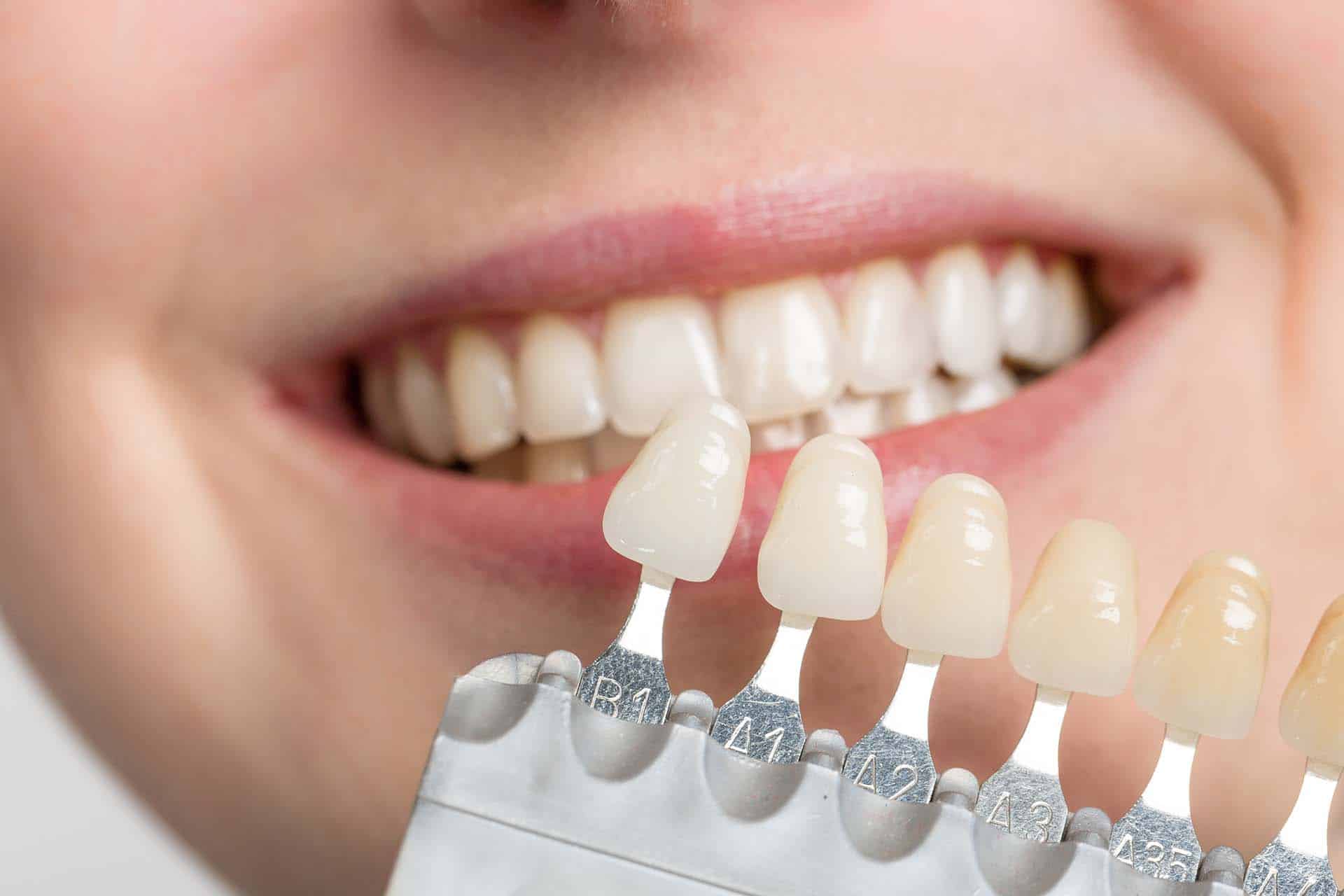
Furthermore, the structural integrity of the tooth extends to its color foundation. While veneers are opaque to a degree, they are designed to be translucent to mimic natural teeth. If the underlying tooth structure is severely discolored—perhaps due to tetracycline staining or past trauma—a standard thin veneer may not be enough to mask the darkness without becoming unnaturally thick or lifelessly opaque. In cases where the enamel is compromised or the structural color is too dark to camouflage without compromising biology, full-coverage crowns or other restorative options are often the safer, albeit more invasive, path.
| Feature | Ideal Candidate Profile | High-Risk / Contraindicated Profile |
|---|---|---|
| Enamel Quality | Thick, intact enamel layer on the facial surface. | Severe erosion, acid wear, or previously heavy drilling (dentin exposure). |
| Gum Condition | Firm, pink, stippled, and non-bleeding tissues. | Active inflammation, bleeding, swelling, or untreated recession. |
| Hygiene Habits | Meticulous brushing and flossing; low plaque index. | Inconsistent care; history of frequent cavities at gum margins. |
| Tooth Color | Mild to moderate discoloration suitable for masking. | deep, dark internal staining that requires excessive thickness to cover. |
Gum Health and Active Decay Concerns
A glossy ceramic front cannot compensate for a diseased foundation. One of the absolute contraindications for proceeding with aesthetic treatment is the presence of active, uncontrolled periodontal disease. The gums act as the frame for the picture; if the frame is inflamed, swollen, or infected, the picture will never look right, and the system will eventually fail. Placing restoration margins near or under gum tissue that is bleeding or swollen is a violation of biological principles.
When veneers are placed in the presence of gingivitis or periodontitis, the result is often chronic inflammation. As the gums eventually heal or react to the foreign material, they tend to recede. This recession exposes the root surface and the junction between the veneer and the tooth. This "margin" is not only an aesthetic failure—revealing a yellow or dark line at the top of the tooth—but it also becomes a trap for plaque and bacteria, accelerating further decay.
Similarly, a patient with high caries activity (a high propensity for getting cavities) is a poor candidate until the condition is managed. There is a dangerous myth that capping a tooth protects it from rot. In reality, the margin where the porcelain meets the tooth is a vulnerable seam. If a patient consumes a high-sugar diet or has a dry mouth environment that encourages bacterial growth, decay can easily start at these edges and spread underneath the veneer. Before cosmetic enhancements can be considered, the oral environment must be stabilized, meaning no active cavities and a demonstrated ability to maintain a plaque-free environment.
Functional Hurdles: Habits and Alignment
The Impact of Grinding and Clenching
While modern dental ceramics are exceptionally hard and resistant to wear, they possess a specific physical weakness: they are brittle under tension. They function best when forces are applied evenly, but they struggle against the shearing and flexing forces generated by parafunctional habits. This makes patients with severe bruxism (tooth grinding) or chronic clenching precarious candidates for veneers.
During sleep, the human jaw can generate forces far exceeding those used during normal chewing. For a bruxer, these forces are directed laterally against the edges of the teeth. If thin porcelain shells are subjected to this nightly trauma, the likelihood of catastrophic failure—such as chipping, cracking, or complete delamination—is very high. The ceramic simply cannot withstand the flexing of the underlying tooth caused by this immense pressure.
This does not always mean a complete ban on treatment, but it necessitates strict protocols. The patient must be willing to sleep with a protective occlusal splint (night guard) every single night for the rest of their life to buffer these forces. However, in cases where the bruxism is severe and uncontrolled, or the patient refuses protective appliances, veneers are contraindicated. In such scenarios, the dentist might recommend composite resin bonding, which is softer and easier to repair if chipped, or simply advise against cosmetic alterations that weaken the tooth structure until the neuromuscular habit is addressed.
Misalignment and Bite Mechanics
A frequent point of confusion lies in the distinction between orthodontics (moving teeth) and prosthodontics (restoring teeth). Veneers are sometimes marketed as "instant orthodontics," capable of fixing crooked smiles in two visits. However, this approach has severe limitations and risks. Veneers are a form of camouflage; they create the illusion of straightness, but they do not correct the root position.
If a patient presents with severe malocclusion—where teeth are significantly crowded, rotated, or the jaws do not align properly—using veneers to fix the look is destructive. To make a crooked tooth appear straight, the dentist often has to aggressively grind away healthy tooth structure on the protruding side, potentially exposing the nerve. Conversely, on the recessed side, the veneer must be made very thick, which can irritate the gums and affect speech.
Furthermore, the bite relationship is paramount. If a patient has an "edge-to-edge" bite or a deep overbite where the lower teeth strike the back of the top front teeth heavily, veneers are at high risk of being knocked off. The mechanical stress in these bite patterns is incompatible with the shear strength of the adhesive bond. In these instances, the responsible clinical path is to undergo orthodontic treatment (like braces or clear aligners) to align the roots and correct the bite first. Only after the teeth are in a functionally safe position should veneers be considered to perfect the shape or color.
The Human Factor: Systemic Health and Expectations
Systemic Conditions and Life Stages
Oral health does not exist in a vacuum; it is deeply interconnected with the body's general systemic health. Certain medical conditions act as significant warning signs or relative contraindications for elective cosmetic procedures. For instance, patients with uncontrolled diabetes typically suffer from delayed wound healing and are more prone to periodontal infections. Performing the precise sub-gingival work required for veneers can trigger gum complications that are difficult to manage in diabetic patients. Similarly, autoimmune disorders or the use of medications that induce xerostomia (dry mouth) drastically increase the risk of recurrent decay, threatening the longevity of any restoration.
Life stage is another critical filter for candidacy. The most notable restriction applies to young adults whose skeletal growth is incomplete. For patients under the age of 18 (and sometimes into the early 20s), the jaw is still maturing, and the gum levels are not yet stable. Placing permanent margins on a teenager means that as the jaw grows and the gums settle, the top edge of the veneer will become visible, creating an aesthetic mismatch that requires premature replacement.
Pregnancy presents a temporary but important contraindication. Hormonal surges during pregnancy often lead to "pregnancy gingivitis," making the gums hypersensitive, swollen, and prone to bleeding. Attempting to take precise impressions or bond ceramics in a fluid-filled, inflamed environment is nearly impossible and can lead to poor outcomes. The standard of care is to defer all elective cosmetic work until after delivery and the stabilization of hormonal levels.
| Factor | Caution Required | Reason for Contraindication / Risk |
|---|---|---|
| Skeletal Growth | Patients under 18-20 years old. | Jaw growth shifts gum margins, exposing veneer edges prematurely. |
| Pregnancy | Currently pregnant or breastfeeding. | Hormonal gingivitis makes gums unstable; limit to emergency care only. |
| Bad Habits | Nail biting, pen chewing, ice crunching. | Point-force loading causes fractures even in high-strength ceramics. |
| Smoking | Heavy smokers. | Vasoconstriction delays gum healing; severe staining of luting cements. |
Managing the Psychological Gap
Perhaps the most complex contraindication is not physical, but psychological: the misalignment between a patient’s expectations and clinical reality. We live in an era of digital enhancement, where filters and editing tools create images of teeth that are physically impossible to replicate in nature. When a patient arrives with a photo of a celebrity or an edited Instagram post and demands an exact replica, they may be setting themselves up for disappointment.
Veneers cannot change facial geometry, skeletal asymmetry, or lip dynamics. If a patient has a "gummy smile" due to a hyperactive lip or excess gum tissue, veneers alone will not solve it. If a patient desires a shade of white that lacks translucency, the result often looks artificial—like "Chiclets"—which might please the patient initially but often leads to regret when they realize it looks unnatural in social settings.
To mitigate this risk, the "test drive" or mock-up phase is vital. Before any irreversible drilling occurs, a temporary material is placed over the teeth to mimic the final shape. If the patient cannot be satisfied with the mock-up, or if they hyper-focus on microscopic imperfections that are invisible at a conversational distance, they may be suffering from body dysmorphic tendencies. In such cases, proceeding with permanent alteration is contraindicated. The goal of a dental professional is to enhance health and confidence, not to chase an unattainable moving target. Recognizing when expectations exceed the limitations of material science is the key to preventing "failed" cases that are technically perfect but subjectively rejected.
Q&A
-
What is the connection between severe bruxism risk and dental health?
Severe bruxism, or teeth grinding, can significantly impact dental health by causing excessive wear on the enamel, leading to tooth sensitivity and increased risk of fractures. It can also exacerbate other dental conditions like TMJ disorders, making regular dental check-ups crucial for individuals with bruxism risk.
-
How does insufficient enamel volume affect oral hygiene practices?
Insufficient enamel volume can make teeth more susceptible to decay and sensitivity. Individuals with this condition should use fluoride toothpaste, avoid acidic foods and drinks, and maintain a rigorous oral hygiene routine, including regular dental visits, to protect the remaining enamel.
-
Why is uncontrolled periodontal disease a concern for overall health?
Uncontrolled periodontal disease, which involves chronic gum inflammation, can lead to tooth loss and has been linked to systemic conditions such as heart disease, diabetes, and stroke. Managing periodontal disease through professional treatment and good oral hygiene can help mitigate these risks.
-
What factors contribute to high caries activity and how can it be managed?
High caries activity can be caused by poor oral hygiene, frequent consumption of sugary foods and beverages, and a lack of fluoride exposure. Management includes dietary changes, improved brushing and flossing techniques, and regular dental check-ups to monitor and treat any new carious lesions.
-
How can severe malocclusion impact daily life and what are the treatment options?
Severe malocclusion can lead to difficulties in chewing, speech problems, and increased risk of dental injuries. It may also affect self-esteem due to aesthetic concerns. Treatment options include orthodontic interventions like braces or clear aligners, and in some cases, surgical correction might be necessary to achieve proper alignment.