
Mastering the Art of Temporary Veneers: Balance, Beauty, and Transition
Navigating the world of temporary veneers is a delicate dance between achieving visual appeal and ensuring flawless progression to a permanent outcome. This temporary phase in dental restoration artfully combines aesthetic sensibilities with precise techniques, enhancing patient satisfaction and setting the stage for successful, long-lasting transformations.
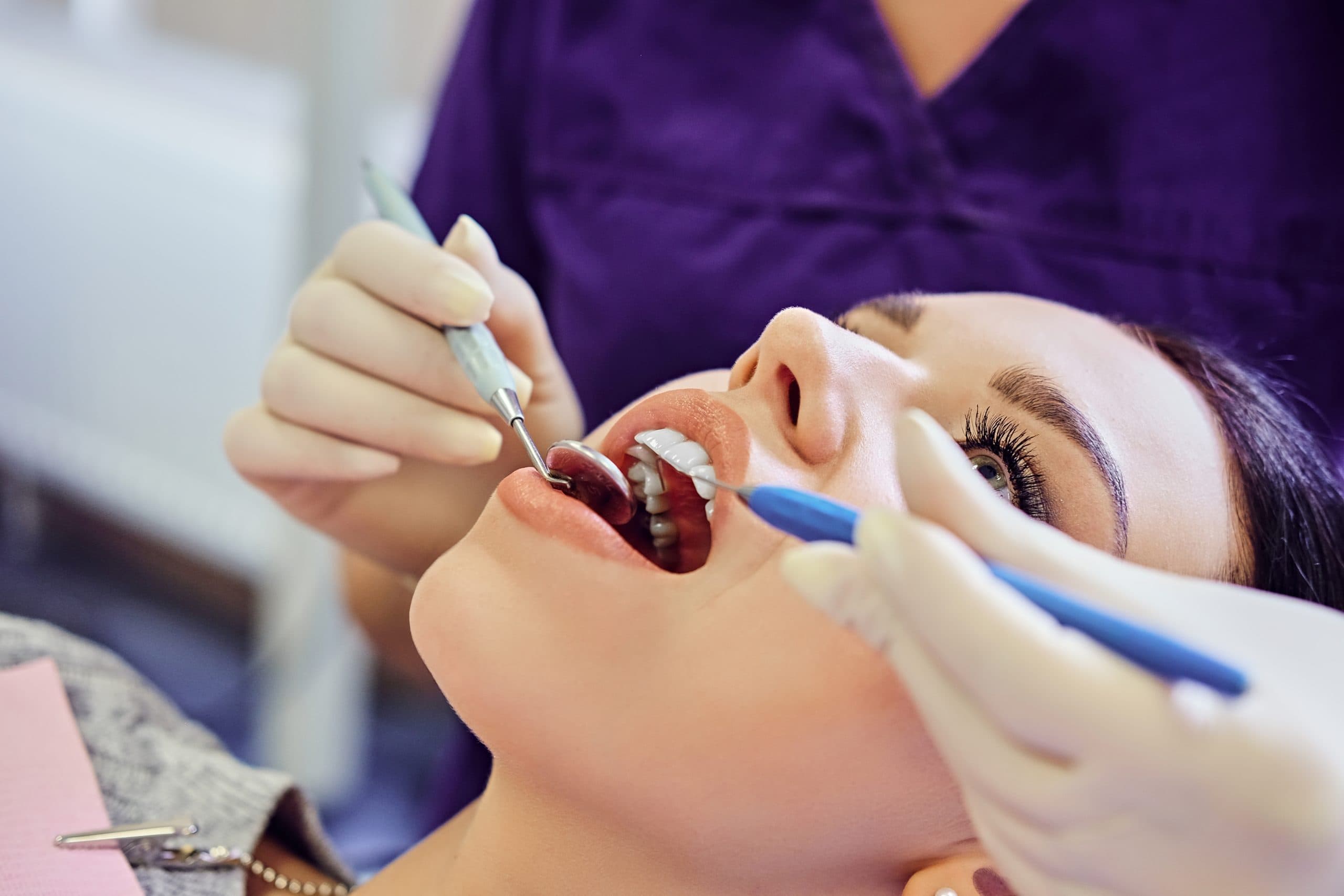
The Vital Role of the "Rehearsal" Phase
perfecting the Prototype Before the Final Performance
Many patients initially perceive provisional restorations as mere placeholders—a quick fix to cover prepared teeth while waiting for the dental laboratory to craft the final ceramics. However, in the realm of high-stakes cosmetic dentistry, this interim period is actually a critical dress rehearsal. It is the only phase where the abstract concepts of design meet the biological reality of the human mouth. Rather than relying solely on digital simulations or wax models, the temporary stage allows us to physically test the proposed changes in a dynamic environment.
During this period, the functionality of the new smile is rigorously stress-tested against the rigors of daily life. A design that looks perfect in a static photograph might prove problematic during conversation or eating. For instance, lengthening the front teeth might improve the smile arc, but if it interferes with the lower lip during speech or creates a lisp, adjustments must be made immediately. This "test drive" ensures that the intersection of phonetics and esthetics is harmonized. Furthermore, the durability of the temporary material acts as a diagnostic tool. If a temporary veneer chips or dislodges repeatedly, it signals that the bite forces are too heavy in that specific area. Identifying these pressure points on a prototype allows the dentist to modify the final design blueprint, preventing catastrophic failure of the permanent porcelain later on.
| Aspect of Assessment | Static Check (Digital/Model) | Dynamic Verification (Temporary Phase) |
|---|---|---|
| Visual Balance | Symmetry and proportion on screen | Integration with facial expressions and lip movement |
| Phonetics | Theoretical tooth length | Real-world clarity of "S" and "F" sounds |
| Occlusion (Bite) | Idealized contact points | Actual chewing comfort and force distribution |
| Comfort | N/A | Sensitivity levels and tongue adaptation |
Biological harmony and Tissue Management
Sculpting the Gum Line for Natural Emergence
Beyond the mechanics of biting and speaking, the temporary veneer plays an indispensable role in soft tissue conditioning. A beautiful ceramic tooth will still look artificial if the surrounding gum tissue is red, inflamed, or uneven. The goal of modern restorative dentistry is to create an "emergence profile"—the illusion that the artificial tooth is growing naturally out of the gum, rather than simply sitting on top of it. This natural look is cultivated during the provisional phase by carefully shaping the contours of the temporary material to support and guide the healing gums.
When teeth are prepared for veneers, the gum tissue often undergoes minor trauma and needs time to heal. If the temporary restoration has rough edges or is over-contoured, it can trap plaque and irritate the tissue, causing recession or chronic inflammation. Conversely, a precisely polished and contoured temporary encourages the gums to heal in a healthy, scalloped architecture around the tooth. In some cases, the dentist may intentionally add volume to the temporary to push the gum line up or reduce volume to allow tissue to fill in gaps (black triangles). This biological shaping is a slow process; the tissue needs weeks to mature and stabilize. By managing this biological width and contour now, we ensure that when the final impression is taken, the canvas is pristine, and the permanent bond can be established without the risk of bleeding or fluid contamination that compromises adhesion.
The Psychological and Physical Transition
Integrating Feedback for a Seamless Evolution
The transition from a temporary smile to the permanent one is as much a psychological journey as it is a physical one. For patients transforming their appearance, the shock of a sudden, permanent change can sometimes be overwhelming. The provisional phase bridges this gap, allowing the patient to acclimate to their new appearance gradually. It transforms the patient from a passive recipient of treatment into an active co-designer of their smile.
During these few weeks, subjective feedback becomes the most valuable data point. Patients live with their new teeth, checking their reflection in different lighting, smiling at friends, and observing reactions. They might discover that they want the edges slightly more rounded for a softer look, or perhaps they prefer a brighter shade than originally anticipated. This feedback loop is essential. Integrating these preferences into the final fabrication ensures that the permanent veneers are not just clinically excellent, but emotionally satisfying.
Furthermore, this period stabilizes the physical sensation of the mouth. Teeth that have been worked on can experience transient sensitivity. A well-fitted temporary protects the underlying dentin from thermal shock and bacterial invasion, allowing the nerve to settle. This "calming" period is crucial because bonding permanent ceramics requires a dry, non-sensitive environment to achieve maximum strength. By the time the final veneers are ready to be bonded, the patient is confident in the look, the gums are healthy and pink, and the teeth are desensitized, ensuring the final appointment is a celebration of a journey well-traveled rather than a stressful medical procedure.
| Patient Feedback | Clinical Interpretation | Adjustment Strategy |
|---|---|---|
| "My teeth feel too bulky." | Facial contours are over-extended. | Thinning the facial aspect of the provisional. |
| "I'm lisping when I say 'sixty-six'." | Incisal edge is too long or improperly angled. | Shortening or beveling the cutting edge. |
| "The gums feel itchy or bleed." | Margin overhang or rough surface texture. | Repolishing margins and refining the fit. |
| "I feel like I'm hitting these teeth first." | Premature occlusal contact. | Adjusting the bite to distribute force evenly. |
Q&A
-
What is the significance of provisional shell fabrication in dental restorations?
Provisional shell fabrication is crucial in dental restorations as it allows dentists to create a temporary restoration that mimics the final outcome. This step is vital for assessing the fit, function, and esthetics of the restoration before the permanent version is made. It serves as a guide for both the dentist and the patient to visualize the expected results and make necessary adjustments. -
How does an esthetic mock-up contribute to dental treatment planning?
An esthetic mock-up plays a critical role in dental treatment planning by providing a tangible preview of the potential results. It aids in communication between the dentist and the patient, ensuring both parties have aligned expectations. Additionally, it allows for any aesthetic adjustments to be made prior to the actual procedure, enhancing patient satisfaction and treatment success. -
Why is bond strength balance important in restorative dentistry?
Bond strength balance is essential in restorative dentistry to ensure the longevity and durability of dental restorations. A balanced bond strength between the restoration and the tooth structure prevents issues such as debonding or fracture. It is achieved by selecting appropriate materials and techniques that provide sufficient adhesion while minimizing stress on the tooth. -
How can patient feedback integration improve dental treatment outcomes?
Integrating patient feedback into the treatment process can significantly improve outcomes by ensuring that patient preferences and comfort are prioritized. By actively seeking and incorporating patient opinions, dentists can tailor treatments to better meet individual needs, which can lead to higher satisfaction rates and more personalized care. -
What role does soft tissue conditioning play in achieving transition accuracy?
Soft tissue conditioning is vital for achieving transition accuracy in dental restorations. It involves preparing the soft tissues around the restoration site to ensure a seamless integration between the restoration and natural tissues. Proper conditioning helps in achieving optimal esthetic results and functional harmony, as well as in maintaining periodontal health.