
Unraveling the Complexities of Periodontal Abscess and Its Impact on Oral Health
Within the intricate landscape of oral health, certain challenges arise that demand immediate attention and nuanced understanding. A particularly vexing concern emerges when robust structures in the mouth give way to unwelcome intruders, leaving a profound impact on well-being and requiring careful management to restore balance and harmony.
The Hidden Mechanics of Infection
The Pressure Cooker Effect and Blocked Pathways
To understand why these painful episodes occur, we must look at the changing environment within the spaces surrounding the teeth. Under normal circumstances, the crevice between the tooth and the gum line houses bacteria and plaque, but these are naturally flushed out or cleaned away as long as the opening remains patent. However, the situation changes drastically when this opening becomes obstructed. Inflammation can cause the surrounding tissue to swell, or a partial, superficial healing can inadvertently seal the entrance.
When this exit is blocked, the internal environment transforms into a closed loop. Bacteria trapped inside begin to multiply rapidly, leading to the accumulation of purulent fluid. With nowhere to escape, this fluid exerts significant pressure on the surrounding nerves and tissues, creating an intense, building pressure. It is not merely the presence of dirt or bacteria that causes the acute distress, but rather the formation of a sealed, pressurized space that acts as the primary catalyst for the sudden onset of symptoms.
External Triggers and Systemic Vulnerabilities
Beyond the localized progression of gum issues, external physical stimuli often act as the spark that ignites the fire. This often involves the accidental lodging of foreign bodies into the delicate sulcus. Common culprits include popcorn hulls, fish bones, or fragments of hard food. When these items are forced deep below the gum line during chewing, they do more than just physically irritate the tissue; they carry bacteria into areas that a toothbrush simply cannot reach. This deep-seated intrusion becomes a focal point for rapid inflammation.
Furthermore, the body’s systemic resilience plays a pivotal role. The oral cavity is always host to bacteria, but a robust immune system keeps them in check. However, when the body is compromised by fatigue, chronic stress, or lack of sleep, these defenses falter. Opportunistic bacteria that were previously dormant seize this moment of weakness to attack the tissues aggressively. Thus, a sudden flare-up is often a mirror reflecting broader lifestyle imbalances or systemic exhaustion, serving as a biological alarm bell that extends beyond oral hygiene.
Reading the Body’s Distress Signals
From Subtle Discomfort to Structural Damage
Gum trouble rarely begins with sudden, excruciating pain; it often starts with a whisper. This might manifest as a vague itchiness in the gums or a sensation that a specific tooth feels "taller" or floating when biting down. Unlike the sharp, piercing pain associated with cavities, this discomfort is often a dull, throbbing ache that resonates deep within the jaw, signaling that inflammation is quietly advancing near the tooth roots.
Observing these physical changes is crucial for early detection. Healthy tissue presents as firm and pink, whereas compromised areas may appear swollen, reddish-purple, and taut, losing their natural stippling. In some cases, a pimple-like bump may appear on the gum surface, releasing fluid when pressed. Taste and smell also offer clues; a persistent bitter or metallic taste often indicates the slow drainage of fluids. Ignoring these signs because the pain is manageable is risky, as they indicate that the supporting structures are under active assault.
| Symptom Category | Manifestation | Underlying Cause |
| Sensation | Dull, throbbing ache; feeling of tooth elevation. | Internal pressure buildup and ligament inflammation. |
| Visual Appearance | Red, glossy, swollen tissue; pimple-like bumps. | Increased blood flow and fluid accumulation (edema). |
| Physical Changes | Looseness (mobility); changes in bite alignment. | degradation of supporting bone and connective fibers. |
| Sensory Output | Bad breath (halitosis); unpleasant taste. | Drainage of purulent byproducts from the infection site. |
The Immune Battlefield and Bone Resorption
When an abscess forms, a microscopic war is waged between invading bacteria and the immune system. The body detects the bacterial invasion and floods the area with white blood cells, causing blood vessels to dilate. This rush of blood is what causes the visible redness and heat. The pain is a result of both physical pressure from the swelling and the chemical signals released during this battle.
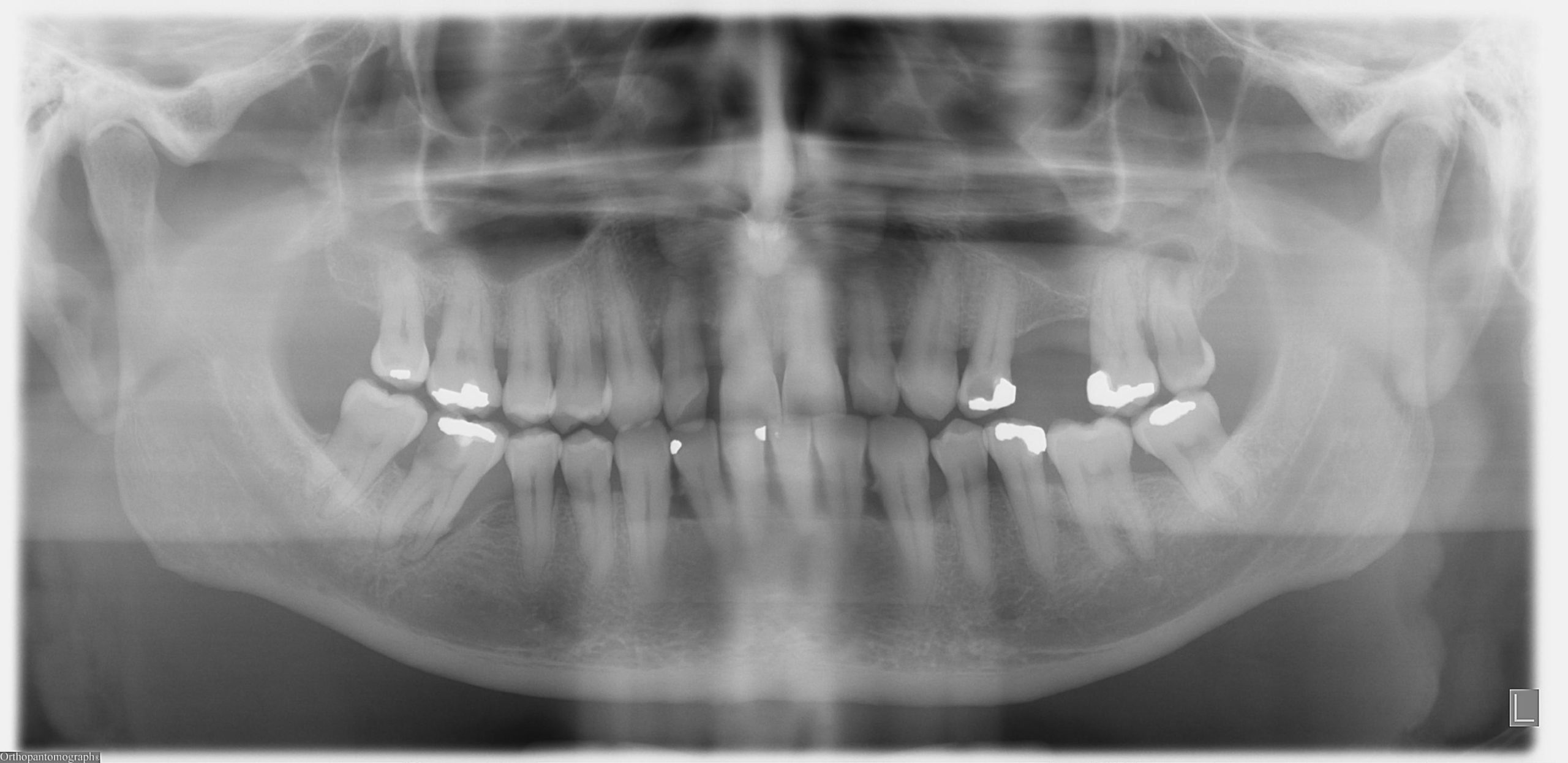
However, this defense mechanism has a destructive side. If the battle is prolonged, the enzymes and chemicals released to kill the bacteria can inadvertently begin to dissolve the jawbone and the ligaments holding the teeth in place. The body, in an attempt to distance itself from the infection, essentially retreats by resorbing its own bone. This leads to a reduction in the bony support system. Since alveolar bone does not easily regenerate once lost, assuming that "swelling is temporary" can lead to permanent structural damage and tooth mobility.
The Path to Restoration and Stability
Re-establishing the Soft and Hard Tissue Balance
Addressing this condition requires a strategy that balances the "soft" gum tissue with the "hard" underlying bone. In the acute phase, the priority is immediate relief and decontamination. This involves establishing drainage to release the built-up pressure and using appropriate irrigation to cleanse the area. Once the acute inflammation subsides, the focus shifts to removing the etiology—calculus and bacterial toxins adhered to the root surface—to create an environment where the body's natural healing capacity can function.
Following the resolution of the infection, the challenge often lies in managing the aftermath. Advanced therapies may be employed to encourage the regeneration of lost attachment. Techniques using barrier membranes or regenerative proteins help guide the growth of new bone and ligament rather than just scar tissue. Furthermore, mechanical stress must be managed; if a tooth has been loosened, it may be temporarily splinted to neighboring teeth to distribute biting forces, preventing secondary trauma while the supporting tissues heal.
| Phase of Care | Primary Objective | Key Actions |
| Acute Phase | Pain relief and pressure reduction. | Drainage of fluid, prescription of antibiotics (if necessary), gentle irrigation. |
| Corrective Phase | Removal of causative factors. | Deep cleaning (scaling/root planing), removal of foreign bodies. |
| Regenerative Phase | Restoring lost structure. | Potential use of regenerative membranes or proteins to rebuild bone/ligament. |
| Maintenance Phase | Prevention of recurrence. | Occlusal adjustment, regular monitoring, and strict home hygiene. |
The Dangers of "Wait and See" and Self-Treatment
A common misconception is that if the pain stops, the problem is solved. While the body may temporarily suppress the acute symptoms or the abscess may drain spontaneously, the underlying issue—the bacterial stronghold—remains. As long as the physical irritants and bacteria reside deep in the pocket, the condition is likely to return, often with greater severity, the moment the immune system dips again. "Pain-free" does not mean "disease-free"; silent progression can continue to erode bone support without generating acute symptoms.
Furthermore, reliance solely on antibiotics is insufficient. Medication can dampen the bacterial population and reduce swelling, but it cannot remove the physical calculus or foreign debris causing the infection. It is a temporary aid, not a cure. Most importantly, patients must avoid the temptation to "pop" the abscess themselves with a needle. This carries a high risk of introducing new pathogens, causing a superinfection, or physically damaging the delicate gingival tissues, complicating professional treatment later. Professional intervention is the only safe route to true resolution.
Q&A
-
What is gingival recession and what are its common causes?
Gingival recession refers to the exposure of the roots of the teeth caused by a loss of gum tissue. Common causes include periodontal disease, aggressive brushing, tobacco use, genetic factors, and inadequate dental care. It can lead to increased sensitivity and a higher risk of root decay.
-
How is pocket depth measured and why is it important in periodontal health?
Pocket depth is measured using a periodontal probe to determine the space between the gum and the tooth. It is crucial because increased pocket depth can indicate periodontal disease, where bacteria and plaque accumulate, leading to potential damage to supporting structures of the teeth.
-
What are the implications of alveolar bone loss for oral health?
Alveolar bone loss is a significant concern as it can lead to tooth instability and eventual tooth loss. It occurs when the bone that supports teeth is resorbed, often due to periodontal disease. Monitoring and managing bone loss are critical to maintaining oral health and preventing further complications.
-
How does tooth mobility relate to periodontal disease, and what does it signify?
Tooth mobility refers to the movement of a tooth within its socket, often due to weakened support structures. It is a common indicator of advanced periodontal disease, suggesting significant loss of bone support and connective tissue. Treatment is necessary to prevent further damage and tooth loss.
-
What role does suppuration play in diagnosing periodontal issues?
Suppuration, or the presence of pus, is a sign of infection and inflammation in periodontal tissues. It indicates an active infection that needs to be addressed promptly. Suppuration can help dental professionals diagnose the severity of periodontal disease and guide appropriate treatment strategies.