
Translucent Elegance: Innovations in Clear Braces for a Seamless Smile
In the realm of orthodontics, a revolution is transforming the way people approach dental alignment, offering a barely-there solution that marries elegance with practicality. Beyond a mere cosmetic upgrade, these modern fixtures discreetly blend with natural teeth, promising an aesthetically pleasing journey to a perfect smile.
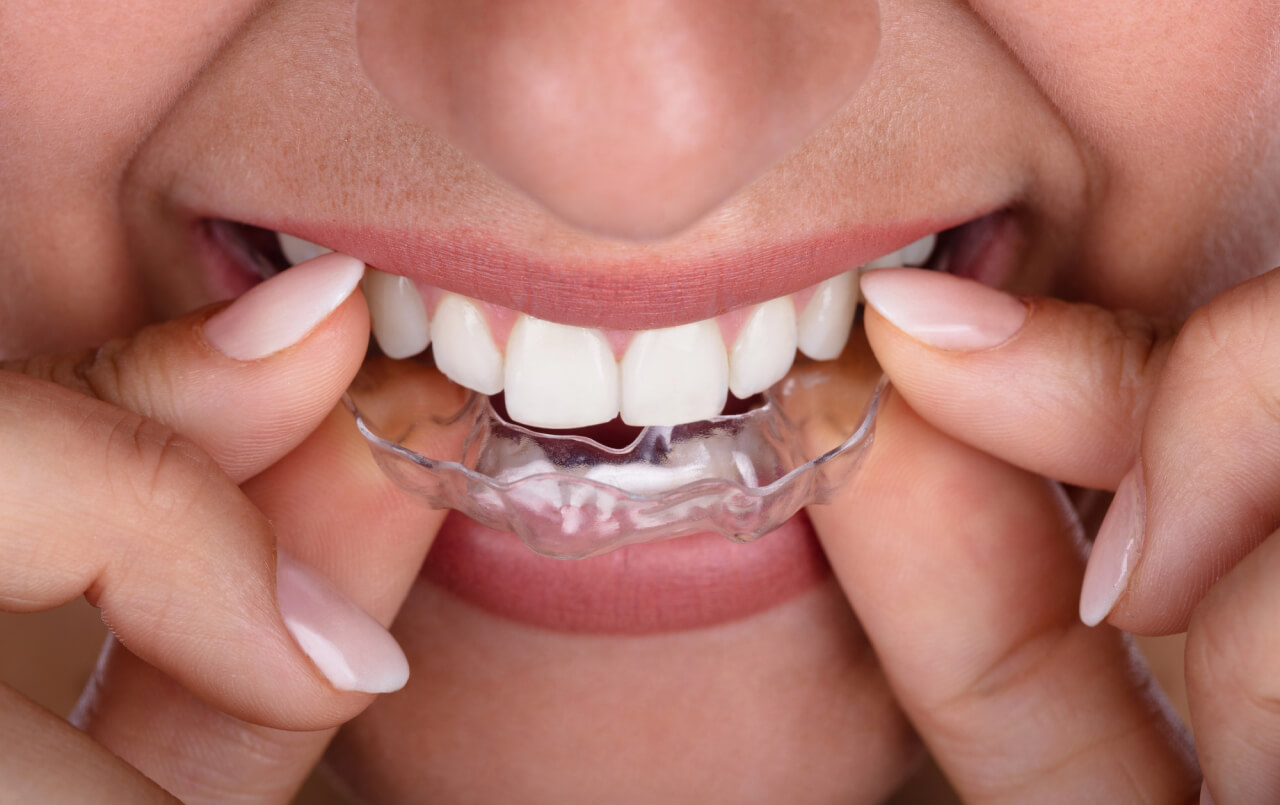
Redefining Confidence Through Material Science
The Evolution from Plastic to Crystal
The journey toward invisible orthodontics began decades ago with plastic derivatives, but early iterations were plagued by issues of durability and aesthetics. The primary concern for potential patients was often the fear that "clear" braces would eventually turn yellow or opaque. This was largely due to the porous nature of early polymers, which absorbed pigments from coffee, wine, and berries much like a sponge. However, the landscape has shifted dramatically with the introduction of advanced ceramic engineering.
Modern aesthetic brackets are crafted from high-purity materials, such as monocrystalline sapphire or fine-grained polycrystalline alumina. Unlike their plastic predecessors, these materials possess a non-porous surface structure that is chemically inert. This means they are virtually impervious to staining agents found in food and drink. The surface is polished to a nano-metric level, creating a finish so smooth that plaque and pigments struggle to adhere. For patients, this translates to an appliance that maintains its pristine, translucent appearance from the day it is bonded until the day it is removed. The science of stain resistance has effectively removed the maintenance anxiety that once accompanied clear options, allowing patients to enjoy their favorite cuisines without the constant fear of compromising their look.
| Feature | Early Plastic/Composite Braces | Modern Ceramic/Sapphire Braces |
|---|---|---|
| Material Structure | Porous (absorbs fluids) | Non-porous Crystalline (impervious) |
| Stain Resistance | Low (yellows over time) | High (remains clear/translucent) |
| Durability | Prone to deformation/wear | High rigidity, resistant to wear |
| Surface Texture | Can become rough | Nano-polished smoothness |
Engineering Durability in a Delicate Form
One of the most significant engineering challenges in aesthetic orthodontics has been balancing visual delicacy with physical resilience. Historically, ceramic materials were brittle; to compensate for this lack of tensile strength, manufacturers had to make the brackets bulky and thick. While this solved the breakage issue, it created a new problem: patient discomfort and a protruding lip profile.
Today’s material scientists have overcome this trade-off through thermal treatments and structural refinement. By controlling the crystallization process, engineers can create brackets that are exceptionally robust yet significantly smaller and lower in profile. This "brittleness control" ensures that the appliance can withstand the immense masticatory forces of chewing and the torque applied by orthodontic wires without fracturing. Furthermore, the contours of modern brackets are heavily researched; edges are rounded and smoothed to minimize friction against the inner lips and cheeks. This focus on structural integrity allows for a device that looks fragile like glass but functions with the reliability of steel, providing peace of mind during the months or years of treatment.
The Optical Physics of Invisibility
Mastering Light Refraction and Diffusion
The "invisibility" of modern braces is not merely a result of the material being clear; it is a triumph of optical physics. If a bracket were perfectly clear and glossy like a windowpane, it would reflect light sharply, creating a "glare" that makes the device noticeable. Real tooth enamel is not perfectly smooth; it has texture and depth that diffuses light. To achieve true discretion, the appliance must mimic this behavior.
Innovators in the field utilize specific manufacturing techniques to alter how light interacts with the bracket. By creating a matte or semi-translucent finish, the material diffuses light rather than reflecting it directly. This optical diffusion creates a "chameleon effect," where the bracket absorbs and reflects the color of the underlying tooth. Whether a patient’s natural teeth are pearly white, ivory, or have a slight grey undertone, the bracket blends seamlessly into that specific background. This removes the harsh visual boundary between the tooth and the appliance. When viewed from a social distance, the hardware effectively disappears, allowing the natural beauty of the smile to take center stage even while the correction process is underway.
Harmony in Mechanics and Motion
Aesthetics must never come at the cost of function. The ultimate goal is a healthy bite, and the mechanics behind clear braces have advanced to ensure efficient tooth movement. A critical aspect of this is the friction interface between the bracket and the wire. In the past, ceramic brackets were notorious for creating high friction, which could slow down treatment times compared to metal counterparts.
To solve this, modern aesthetic systems often incorporate a metal slot insert or utilize highly polished ceramic slots that allow the archwire to slide freely. Additionally, the advent of self-ligating technology has been a game-changer for both mechanics and aesthetics. Traditional systems use tiny rubber bands (ligatures) to hold the wire; these bands are the actual culprit behind most "yellowing" complaints as they stain easily. Self-ligating aesthetic brackets replace these rubber bands with a built-in, tooth-colored clip or door. This not only eliminates the staining component but also allows for a "free-sliding" mechanic that moves teeth with gentler, more biologically compatible forces. The result is a treatment that is not only visually superior but potentially faster and more comfortable.
| Patient Priority | Metal Braces | Clear Aesthetic Braces |
|---|---|---|
| Visual Discretion | Low (highly visible) | High (blends with enamel) |
| Durability Concern | Unbreakable | Highly resistant (care required with hard foods) |
| Photography/Media | Visible glare/contrast | Matte finish, barely detectable |
| Professional Settings | Casual/Noticeable | Professional/Understated |
Balancing Lifestyle and Clinical Precision
Hygiene and the Modern Lifestyle
Choosing a clear orthodontic solution is often a lifestyle decision as much as a clinical one. Adults and teens in professional or social environments require a solution that does not impede their confidence. However, the benefits extend beyond just looks; the design of modern aesthetic appliances supports better oral hygiene.
Because modern brackets are manufactured with smoother surfaces and often utilize self-ligating clips instead of elastic ties, there are fewer nooks and crannies for food particles to accumulate. Elastic ties degrade and become sticky, trapping plaque against the tooth surface, which can lead to demineralization (white spots). The streamlined design of aesthetic self-ligating brackets promotes a self-cleaning action where saliva can wash away debris more effectively. While a diligent brushing routine is still paramount, the advanced surface properties of these materials make the daily task of maintenance less arduous. This seamless integration into the patient's daily ritual ensures that the path to a straight smile does not become a burden on their overall quality of life.
The Psychological Impact of Discreet Treatment
The decision to undergo orthodontic treatment is a significant investment in oneself, but for many, the fear of the "metal mouth" stigma is a barrier to entry. This is particularly true for adults who feel that traditional braces might undermine their professional authority or social image. Clear aesthetic braces bridge this gap, democratizing the benefits of orthodontics across all age groups.
By removing the visual distraction of the appliance, patients report higher levels of self-esteem during the treatment process. They feel free to smile, speak, and present themselves without the subconscious urge to cover their mouths. This psychological comfort is a crucial component of the treatment's success. When a patient feels good about how they look with the appliance on, they are more likely to comply with care instructions and remain positive throughout the duration of the therapy. It transforms orthodontics from a "medical necessity to be endured" into a proactive, positive enhancement of one's personal brand.
Q&A
-
What is the significance of ceramic bracket translucency in orthodontics?
Ceramic bracket translucency is crucial in orthodontics as it enhances the aesthetic appeal of braces by allowing them to blend more seamlessly with the natural color of teeth. This translucency minimizes the visual impact of braces, making them a popular choice for individuals seeking discreet orthodontic solutions.
-
How does polycrystalline alumina contribute to the performance of ceramic brackets?
Polycrystalline alumina is used in ceramic brackets to provide a balance between strength and translucency. Its crystalline structure ensures the brackets are durable and resistant to fracture while maintaining the desired aesthetic quality by scattering light in a way that closely mimics natural tooth enamel.
-
What role do stain resistance coatings play in maintaining the appearance of ceramic brackets?
Stain resistance coatings are essential for maintaining the aesthetic quality of ceramic brackets over time. These coatings prevent discoloration from food, drinks, and oral hygiene products, ensuring that the brackets remain clear and visually appealing throughout the treatment period.
-
Why is optical light diffusion important in the design of ceramic brackets?
Optical light diffusion is important because it enhances the translucency and aesthetic appeal of ceramic brackets. By diffusing light, these brackets can more closely mimic the natural appearance of teeth, reducing the visibility of the brackets and improving the overall look of the orthodontic appliance.
-
How is bracket brittleness controlled in ceramic orthodontic appliances?
Controlling bracket brittleness in ceramic orthodontic appliances involves optimizing the material composition and structural design. This includes using materials like polycrystalline alumina that offer a good balance between strength and flexibility, as well as engineering the brackets to withstand the forces experienced during orthodontic treatment without compromising their structural integrity.