
Preserving Enamel with No Prep Veneers: Strategies and Risks
Transforming a smile with minimal alteration, cutting-edge laminates offer slender coverings bonding seamlessly to teeth, sparing natural surfaces. This subtle craft protects and enhances, appealing especially where small adjustments suffice. Considerations of harmony and care balance aesthetic ambitions with the preservation of original dental structure.
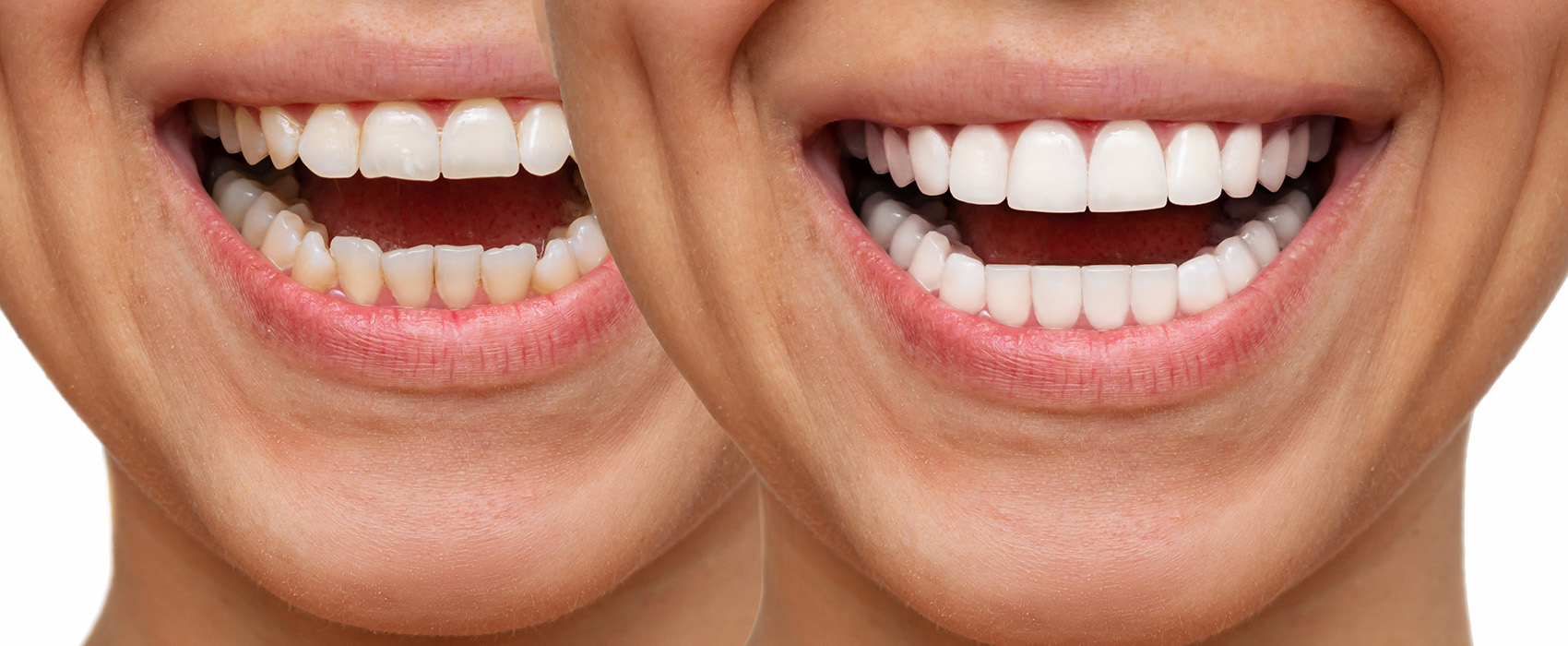
The Engineering Behind the Subtle Smile
Achieving Durability Without Destruction
The fascination with modern cosmetic dentistry often lies in the ability to achieve dramatic results with almost microscopic materials. Unlike traditional methods that require the substantial removal of healthy tooth structure to create space for a restoration, the philosophy here relies on addition rather than subtraction. The materials used are essentially ultra-slim layers of reinforced porcelain, often as thin as a contact lens, ranging between 0.2 and 0.3 millimeters. Despite their fragility when handled alone, these ceramics exhibit extraordinary resilience once bonded to the tooth surface.
The success of this procedure hinges entirely on the science of adhesion. The bond formed between the ceramic and natural enamel is chemically distinct and significantly stronger than bonds made to the softer, underlying dentin. By keeping the procedure within the enamel layer, dentists utilize the high mineral content of the tooth’s outer shell to create a cohesive unit. When the ceramic is cemented, it behaves less like a glued-on fingernail and more like a fused layer of synthetic enamel. This reliance on the natural surface means that the integrity of the existing tooth is paramount; the stronger the foundation, the more durable the result.
However, this strength is not absolute. It relies heavily on strict isolation during the bonding process and the precise fit of the ceramic. Because the material is so thin, there is little room for error in fabrication. The adhesive cement itself acts as a stress-breaker, distributing bite forces evenly across the tooth. This engineering marvel allows patients to enjoy a transformed aesthetic without the structural compromise associated with aggressive drilling, provided that the underlying enamel is healthy and abundant enough to support the restoration.
| Feature Comparison | Traditional Reduction Method | Minimal Intervention Method |
|---|---|---|
| Primary Approach | Subtractive (removing structure) | Additive (layering on top) |
| Anesthesia Requirement | Usually Required | Rarely Needed |
| Structural Integrity | Relies on mechanical retention | Relies on chemical enamel bonding |
| Temporary Restorations | Necessary during fabrication | Not required |
| Post-Procedure Sensitivity | Common due to dentin exposure | Rare to non-existent |
Evaluating the Candidate: It Is Not for Everyone
The Critical Role of Initial Tooth Volume
While the prospect of a drill-free procedure is universally appealing, the physical reality of adding material to a tooth imposes strict limitations. This approach is not a universal solution for every cosmetic concern. The fundamental principle is volume: because these ceramic layers sit on top of the existing tooth, they inevitably add bulk. Therefore, the ideal starting canvas is a tooth that is physically smaller than the desired outcome. Patients with gaps between teeth, those with small or "peg" laterals, or those with teeth that are lingually positioned (set back) are perfect candidates because the added ceramic fills necessary space.
Conversely, attempting this technique on teeth that are already large, forward-positioned, or severely crowded can lead to disastrous aesthetic and functional results. If a tooth is already prominent, adding another layer—even a very thin one—can create a "bulky" or "horse-like" appearance. The lips may not close naturally over the teeth, and the facial profile can be distorted. Furthermore, severe misalignment cannot be optically corrected solely by layering; attempting to do so often results in thick, uneven restorations that look unnatural and feel intrusive to the tongue.
Detailed analysis of the patient’s bite and lip dynamics is essential. The practitioner must evaluate whether the face can accommodate the extra dimension. In cases where teeth are dark or stained, the thinness of the material becomes a double-edged sword. While it mimics the translucency of natural enamel beautifully, it lacks the opacity to block out dark underlying colors effectively. To mask severe discoloration, the ceramic would need to be thicker, which brings us back to the problem of unwanted bulk. Therefore, this method requires a delicate balance between the desire for preservation and the realistic capacity of the mouth to accept new contours.
Managing Long-Term Aesthetics and Risks
The Edge of Visibility and the Myth of Reversibility
One of the most nuanced challenges in this approach involves the "margin"—the precise line where the ceramic ends and the natural tooth begins. In traditional crowns or veneers, this margin is often hidden below the gum line or tucked into a drilled crevice. With non-invasive techniques, the margin often sits supragingivally (above the gum) or right at the gum crest. If the laboratory technician does not feather the edge of the ceramic to a microscopic zero-point, a palpable "ledge" can remain.
This ledge is not merely an aesthetic concern where dirt might collect; it can become a haven for plaque accumulation, leading to gingival inflammation or staining over time. A visible ridge can also catch on food or feel rough to the patient’s tongue. High-quality execution requires that the transition from porcelain to tooth be undetectable to the touch. This demands a higher level of skill from the ceramist than traditional thick veneers, as the material is prone to chipping during the manufacturing phase when it is this thin.
Furthermore, patients are often drawn to this procedure because it is marketed as "reversible." While it is true that the underlying tooth has not been shaved down, the concept of reversibility is technically complex. The bond created between the resin cement and the enamel is permanent. Removing these ceramics is a laborious process that typically involves grinding away the porcelain. Distinguishing between the clear resin cement and the natural white enamel during removal is difficult, even with magnification. Consequently, returning the tooth to its exact, virgin state without scratching or slightly altering the enamel surface is challenging. It is safer to view this as a conservative, yet permanent, commitment to maintenance rather than a temporary accessory that can be discarded without a trace.
| Patient Goal / Condition | Suitability Assessment | Recommendation |
|---|---|---|
| Closing small gaps (Diastema) | High Suitability | Ideal application; fills space naturally without bulk. |
| Correcting severe crowding | Low Suitability | Orthodontics (braces/aligners) recommended first. |
| Masking very dark stains | Moderate to Low | May require thicker material or traditional prep to hide color. |
| Enlarging small teeth | High Suitability | Excellent for adding length and volume. |
| Fixing protruded (buck) teeth | Contraindicated | Will worsen the protrusion; requires reduction/ortho. |
Q&A
-
What are the key factors in Enamel Preservation Criteria when using ultra thin ceramic sheets?
Enamel Preservation Criteria focus on minimizing the removal of natural tooth structure during the preparation phase. When using ultra thin ceramic sheets, it is crucial to ensure that the preparation is conservative, preserving as much enamel as possible to maintain tooth vitality and support the bond strength of the ceramic restoration.
-
How does Bond Strength Dependence affect the performance of ultra thin ceramic sheets?
The bond strength between the ceramic sheet and the tooth is critical for the durability and functionality of the restoration. Factors such as the surface treatment of the enamel and ceramic, the adhesive system used, and the correct application technique all play a role in ensuring optimal bond strength, which in turn affects the longevity and stability of the ultra thin ceramic sheets.
-
What are the Case Selection Limitations for using ultra thin ceramic sheets in dental restorations?
Ultra thin ceramic sheets are best suited for cases where minimal tooth reduction is needed and the patient has sufficient enamel for bonding. Limitations arise in situations with severe tooth wear, lack of enamel, or when significant occlusal adjustments are required. Careful case selection is essential to ensure the success of the restoration.
-
What are the Margin Visibility Risks associated with ultra thin ceramic sheets?
Margin Visibility Risks refer to the potential for the edges of the ceramic sheets to be visible or aesthetically displeasing, especially if there is a mismatch in color or translucency between the ceramic and natural tooth. Ensuring precise fit and proper shade selection can mitigate these risks, enhancing the aesthetic outcome.
-
What should be considered in terms of Reversibility Considerations when opting for ultra thin ceramic sheets?
Reversibility Considerations involve the ability to remove or replace the ceramic restoration without significant damage to the underlying tooth structure. Ultra thin ceramic sheets offer a degree of reversibility due to their minimal preparation requirements, allowing for future modifications or replacements if needed, making them a favorable option for patients concerned about long-term implications.