
Exploring the World of Denture Adhesives: Creams, Powders, and Strips
Navigating the maze of oral care products can be daunting, especially when seeking stability in prosthetic devices. Discovering effective means to secure these prosthetics enhances daily comfort and confidence. Understanding product functionality, from application nuances to effortless removal, can transform the experience for anyone relying on oral prosthetics.
The Science Behind Retention and Stability
The Interaction Between Chemistry and Saliva
When we think about products designed to hold oral prosthetics in place, the immediate association is often with superglue or industrial bonding agents. However, the actual mechanism is far more sophisticated and biological. These formulations are not designed to be sticky in their resting state; rather, they are engineered to interact dynamically with the oral environment. The core function relies on water-soluble polymers that possess a unique affinity for moisture. When the product comes into contact with saliva, it undergoes a rapid physical transformation, absorbing water and expanding in volume.
This hydration process turns the paste or powder into a cohesive, gel-like substance. It is this gelatinous layer that acts as the primary interface between the hard acrylic of the prosthetic and the soft, delicate tissues of the gums. The expansion is critical because the landscape of the jawbone and gum tissue is irregular and constantly changing. By swelling to fill the available space, the material creates a custom-fitted gasket that adapts to mouth movements. This is why a dry mouth can sometimes hinder the performance of these products—without sufficient saliva to activate the polymers, the material cannot achieve the necessary viscosity to perform its role as a shock absorber and stabilizer.
Physics of the Seal and Molecular Attraction
Beyond the simple swelling action, there are complex physical forces at work that prevent displacement during chewing or speaking. The primary goal of these stabilizing agents is to eliminate air pockets. Even the most well-crafted prosthetics will have microscopic gaps between the base and the gum tissue. If air penetrates these gaps, the suction—similar to that of a vacuum seal—is broken, causing the device to rock or drop. The gel formed by the fixative displaces this air, creating a continuous seal that maintains negative pressure between the device and the tissue.
Furthermore, on a microscopic level, forces known as Van der Waals forces come into play. These are weak electric attractions between molecules. The polymer chains in the fixative interact with the proteins in the oral mucosa and the acrylic of the prosthetic, creating a molecular "handshake." While individual molecular bonds are weak, the cumulative effect of billions of them creates a significant retentive force. This combination of physical gap-filling, surface tension from the thickened saliva, and molecular adhesion provides the resilience needed to handle the mechanical stresses of grinding food or the muscular movements involved in laughter and conversation.
Optimal Application and Removal Techniques
Precision in Application Strategies
A common misconception among users is that more product equals a stronger hold. In reality, the opposite is often true. Over-application is the most frequent cause of dissatisfaction and discomfort. When too much material is applied, the biting pressure forces the excess out from the edges, leading to an unpleasant texture in the mouth and potential ingestion of the compound. Furthermore, a thick layer of adhesive can artificially alter the vertical dimension of the bite, leading to jaw pain or TMJ issues over time.
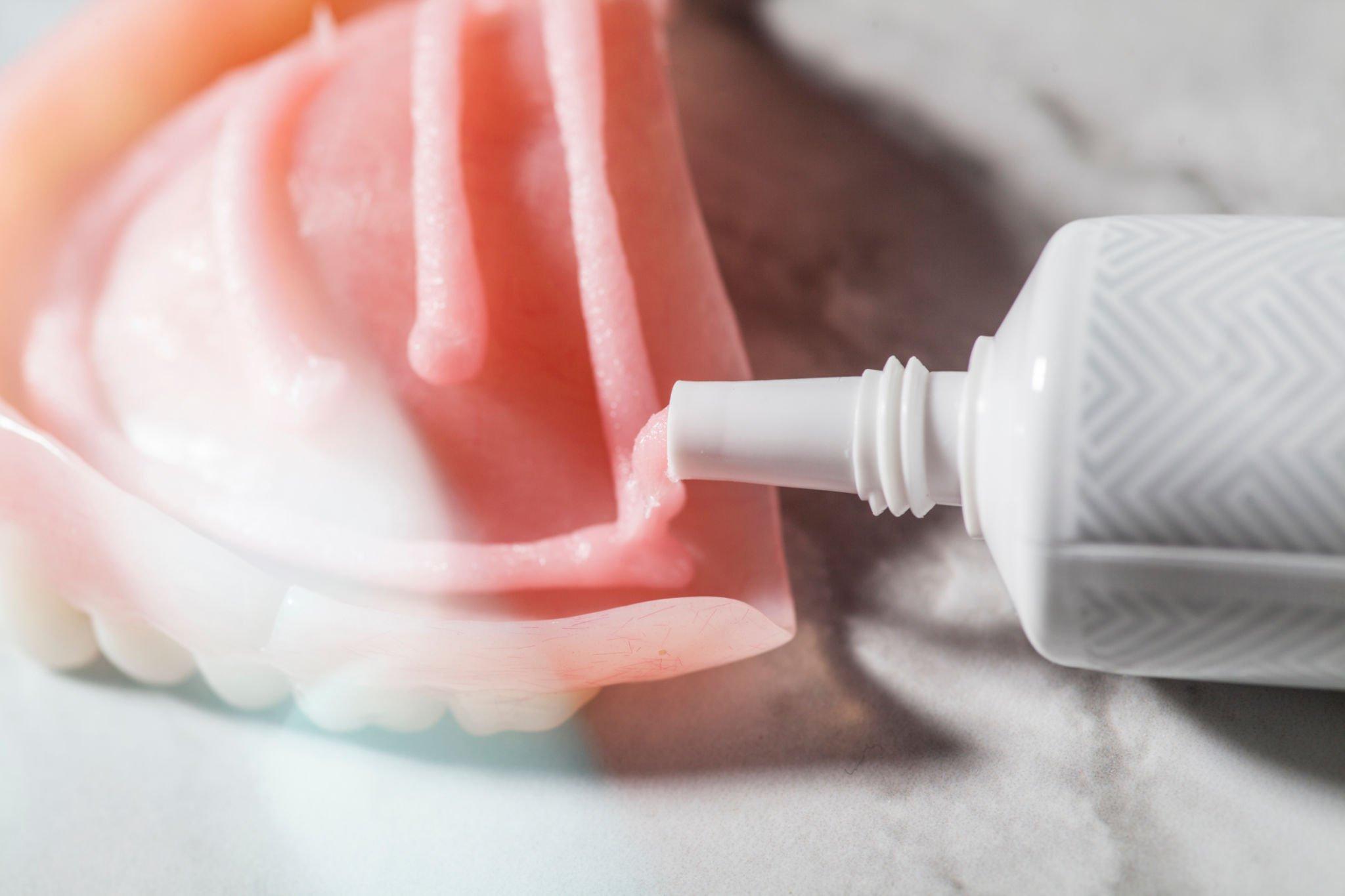
To achieve the best results, the surface of the prosthetic must be clean and, crucially, dry before application. Moisture on the acrylic surface can dilute the material before it has a chance to set. The "less is more" approach suggests using small, pea-sized dots of cream—typically three or four spaced out along the ridge of the denture—rather than a continuous bead. This distribution allows the material to spread thinly and evenly under pressure, maximizing surface area contact without oozing. For those using powders, a light, even dusting on a pre-moistened denture is sufficient. Mastering this balance ensures that the bond is secure without creating a messy cleanup situation later in the day.
| Feature | Paste/Cream Formulations | Powder Formulations | Wafer/Sheet Formulations |
|---|---|---|---|
| Primary Benefit | Provides a cushioning effect for sensitive gums. | Creates a very thin, close bite with strong hold. | No mess; pre-measured dosage. |
| Texture Feel | Viscous and gel-like. | Natural feel; almost imperceptible. | Fabric-like feel initially, then gels. |
| Best Used For | Gums with irregular shapes or resorption. | Tight-fitting dentures needing extra grip. | Users with dexterity issues or travel. |
| Cleanup Effort | Moderate; requires wiping gum tissue. | Low; easy to rinse away. | Low; peels off in one piece mostly. |
Gentle Release and Hygiene Protocols
Removing a securely bonded prosthetic can cause anxiety, particularly if the user fears damaging the soft tissues of the mouth. The removal process requires patience and a specific technique rather than brute force. If the bond is still strong at the end of the day, it is essential not to pull the device vertically. Instead, the first step is to break the seal using warm water. Swishing warm water around the mouth helps to liquefy the outer edges of the adhesive gel, reducing its viscosity and grip.
Once the seal is softened, a gentle rocking motion is effective. By applying light pressure from side to side, air is slowly introduced between the prosthetic and the gum, breaking the vacuum. For the upper jaw, pressing the thumb against the front teeth and pushing upward and outward often helps break the suction at the rear palatal seal. After the device is removed, the most critical step is cleaning the soft tissues. Residue left on the palate or gums can become a breeding ground for bacteria and fungi, such as Candida. Using a soft-bristled toothbrush or a piece of gauze wrapped around a finger, one should gently massage the gums to remove all traces of the sticky material. This not only ensures hygiene but also stimulates blood flow to the tissues.
Choosing the Right Product for Your Lifestyle
Navigating Formulations and Ingredients
The market offers a variety of formats, primarily divided into creams (pastes), powders, and strips (wafers). The choice often depends on the specific anatomical needs of the user. Creams are the most popular because they offer a cushioning effect, which is highly beneficial for users with older prosthetics or shrinking gums, as the thick gel compensates for bone loss. However, some users find the texture of creams intrusive. In such cases, powders are an excellent alternative. They rely on the natural fit of the device and enhance surface tension without adding bulk, making them ideal for newer, well-fitting sets.
Ingredient consciousness is also rising. For years, zinc was a standard ingredient in many fixatives to enhance adhesion. However, concerns over excessive zinc intake—which can lead to neurological issues if products are grossly overused—have led many manufacturers to offer zinc-free alternatives. Additionally, flavor plays a significant role in user satisfaction. While mint flavors offer a feeling of freshness, they can interfere with the taste of food. Neutral or flavor-free options are often preferred by "foodies" who do not want their dining experience altered by their oral care products.
Recognizing the Limits of Adhesion
While these products are invaluable for confidence, it is vital to recognize what they cannot do. They are designed to enhance the retention of a reasonably well-fitting prosthetic, not to fix a broken or ill-fitting one. If a user finds themselves needing to increase the amount of fixative used week by week to maintain the same level of stability, it is a red flag. The jawbone undergoes a natural process of resorption (shrinking) once teeth are lost. As the bone changes shape, the prosthetic does not, creating larger voids that adhesives eventually cannot fill effectively.
Relying heavily on stabilizers to compensate for a poor fit can accelerate bone loss by causing uneven pressure points on the ridges. It is crucial to view these products as a supplement to professional dental care, not a substitute for it. Regular relining or adjustment by a dental professional ensures that the hard base of the device matches the changing contours of the mouth. When the fit is mechanically sound, the fixative serves its true purpose: preventing food particles from getting trapped and providing that extra psychological security during social interactions.
| User Scenario | Recommended Action | Why? |
|---|---|---|
| Device feels loose immediately after insertion | Check application amount and dryness. | Too much moisture prevents the initial tack; too much product causes sliding. |
| Gum soreness or "hot spots" | Discontinue use and see a professional. | The prosthetic likely requires a hard reline; adhesive cannot fix pressure points. |
| Difficulty removing residue from gums | Use oil-based removal or warm water. | Adhesives are water-soluble but stubborn; oil breaks down the polymer chains. |
| Metallic taste in mouth | Switch to zinc-free formula. | Sensitivity to minerals or overuse of zinc-containing products. |
Oral Health and Long-Term Maintenance
The Necessity of Tissue Rest
The health of the mucosa—the soft pink tissue covering the jawbone—is paramount for the long-term wearability of prosthetics. These tissues were not evolutionarily designed to remain covered under hard plastic 24 hours a day. Continuous pressure from the prosthetic can restrict blood flow and compress the tissues, leading to accelerated resorption of the underlying bone. Therefore, the "shoes off" policy is highly recommended: just as one relieves their feet at the end of the day, the gums require a period of rest.
Sleeping without the prosthetic allows the saliva to naturally wash the tongue and gums, maintaining a healthy pH balance and reducing bacterial colonization. This rest period allows the tissues to rebound and regain their natural shape, ensuring a better fit the next morning. If the idea of sleeping without teeth is psychologically uncomfortable, users should at least ensure significant time during the evening where the tissues are exposed and allowed to breathe.
Hygiene and Product Storage
The maintenance of the device itself is inextricably linked to the performance of the stabilizing agent. Old adhesive residue left on the denture surface creates an uneven landscape for the new layer, significantly reducing its effectiveness. Furthermore, the porous nature of acrylic can harbor microscopic pathogens if not cleaned thoroughly. A daily routine involving mechanical brushing (with a denture-specific brush, not a regular toothbrush which can be too abrasive) and soaking in an effervescent cleanser is non-negotiable.
Storage of the product is also a minor but important detail. Tubes of cream should be kept tightly capped to prevent the solvent from evaporating, which can turn the smooth paste into a hard, unusable block. The nozzle must be kept clean and dry; if water enters the tube, bacteria can proliferate inside the product itself. By treating both the oral tissues and the stabilizing products with care and respect, users can ensure a comfortable, healthy, and worry-free experience that supports their lifestyle rather than hindering it.
Q&A
-
What are the main differences between denture adhesive creams, powders, and strips?
Denture adhesive creams provide a strong bond and are known for their ease of use. They are suitable for full or partial dentures and offer a cushion-like comfort. Adhesive powders, on the other hand, offer a thinner layer and are often preferred for their easy clean-up. They are ideal for humid conditions as they resist moisture. Adhesive strips provide precision in application and are less messy compared to creams and powders. They are pre-measured, reducing waste and providing consistent results.
-
How can one choose the right denture adhesive for their needs?
Choosing the right denture adhesive depends on individual preferences and lifestyle. Consider the level of hold you require; creams offer a strong grip, while powders provide a lighter hold. If you have sensitive gums, look for adhesives without zinc or artificial flavors. For those who travel frequently, adhesive strips might be convenient due to their portability. It is always recommended to consult with a dentist for personalized advice.
-
What is the correct method for applying denture adhesive to ensure maximum effectiveness?
To apply denture adhesive effectively, start by cleaning and drying your dentures thoroughly. For creams, apply small amounts at intervals on the denture’s surface, avoiding the edges. For powders, sprinkle a thin, even layer onto wet dentures, and for strips, place them on the denture and press firmly. Insert the dentures and hold them in place for a few seconds to ensure a secure fit.
-
What are the best practices for removing denture adhesive from dentures and gums?
To remove denture adhesive, rinse your mouth with warm water to loosen the adhesive. For dentures, use a soft brush and denture cleanser to gently scrub away the adhesive. For gums, rinse with warm salt water and gently brush with a soft toothbrush. If adhesive residue persists, dental adhesive removers or a damp washcloth can be used for additional cleaning.
-
Are there any potential side effects or concerns associated with the use of denture adhesives?
Some individuals may experience allergic reactions or irritation from certain ingredients in denture adhesives, such as zinc or artificial flavors. Overuse of adhesives can lead to buildup, affecting gum health. It is important to follow the manufacturer's instructions and consult a dentist if you experience discomfort or prolonged irritation. Regular dental check-ups can help monitor any adverse effects from long-term adhesive use.