
Early Steps in Mixed Dentition: Timing and Strategies for Pediatric Orthodontics
As children's smiles begin to take shape, the early evaluation and strategic guidance of dental development play a crucial role in setting the foundation for lifelong oral health. Understanding how growth impacts functional dynamics can pave the way for timely and effective interventions during key developmental stages.
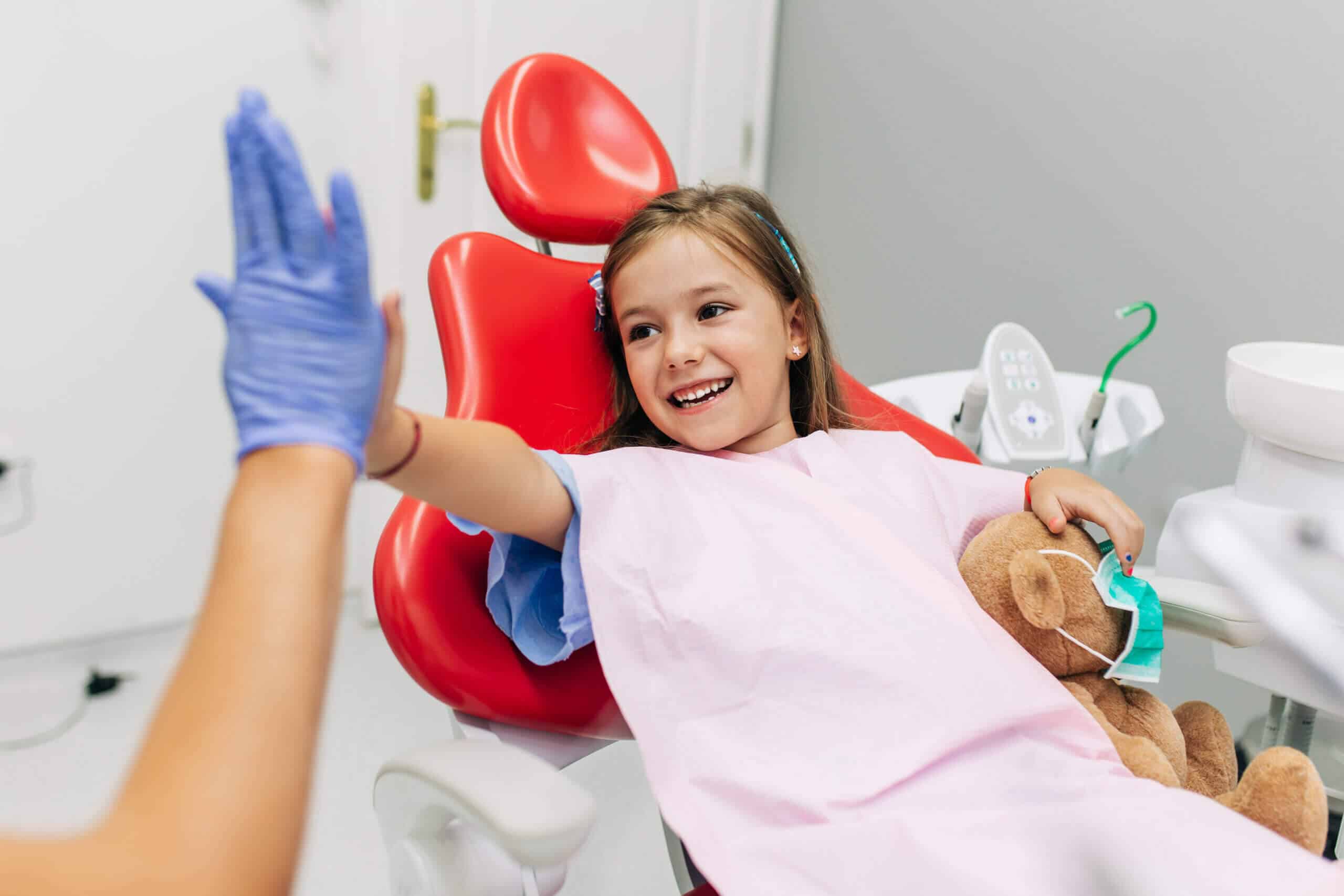
The Dynamics of Dental Transition
Monitoring the Mixed Dentition Phase
The period when a child transitions from primary (baby) teeth to permanent teeth—often referred to as the mixed dentition stage—is a time of rapid biological change that parents must observe closely. Starting typically around the age of six, this phase is not merely a swapping of teeth; it is the foundational era where the future alignment of the jaw and facial structure is established. The eruption of the first permanent molars, often called the "six-year molars," is particularly significant. These teeth act as the structural anchors for the entire dental arch, determining the vertical height of the bite and the alignment of subsequent teeth. If these anchors drift or erupt in an incorrect position, it can trigger a domino effect, disrupting the balance of the entire dentition.
During this stage, the focus extends beyond simple hygiene to monitoring space and symmetry. Permanent teeth are naturally larger than the primary teeth they replace. Therefore, the jawbone must undergo sufficient lateral and anterior growth to accommodate this increase in size. If the jaw remains underdeveloped or narrow, the incoming teeth may be forced to overlap, rotate, or erupt ectopically (out of place). Parents play a vital detective role here. During nightly brushing routines, looking for signs of crowding, asymmetrical eruption, or primary teeth that refuse to fall out can provide early warnings. This active observation allows for the identification of potential spacing issues long before they become complex orthodontic problems. The goal is to ensure that the skeletal "container" (the jaw) is large enough for the "contents" (the teeth).
Identifying Red Flags in Jaw Development
While tooth eruption is the visible marker of change, the underlying skeletal development is where the real story unfolds. The growth of the maxilla (upper jaw) and mandible (lower jaw) follows specific biological timelines. Notably, the upper jaw tends to reach its growth peak relatively early. This creates a critical window of opportunity to assess whether the child's palate is too narrow or if there are discrepancies between the upper and lower jaw positions, such as an underbite or significant overbite. Addressing these skeletal discrepancies while the bone is still malleable is far less invasive than attempting to correct them after growth has ceased.
Parents often wonder if a "wait and see" approach is best, but waiting until all permanent teeth have erupted can sometimes mean missing the optimal window for skeletal modification. For instance, if a child's upper jaw is constricted, the tongue is often forced into a lower position, which can perpetuate a cycle of narrow growth and respiratory issues. Early identification allows for interventions that work with the body's natural growth trajectory rather than against it. By expanding the arch or guiding the jaw forward during these active growth years, we reduce the likelihood of needing permanent tooth extractions or orthognathic surgery in adulthood.
Harnessing Biological Potential
The Logic Behind Early Skeletal Guidance
The philosophy of intervening during childhood differs fundamentally from adult orthodontics. In adults, treatment is primarily about moving teeth through dense, fully formed bone—a process that often requires significant force and time. In children, however, the bone is softer, more vascular, and biologically programmed to grow. This allows orthodontists to act as "architects" of the face rather than just "mechanics" of the teeth. The primary objective during this phase is to utilize the child's inherent growth spurs to correct skeletal imbalances.
This approach is akin to guiding a sapling as it grows rather than trying to bend a mature tree. By applying gentle, directed forces, we can encourage an underdeveloped lower jaw to advance or restrict an overdeveloped upper jaw. This is not about achieving perfect alignment immediately but about creating the correct physiological environment for the permanent teeth to land naturally. When the skeletal base is corrected early, the need for complex mechanics later is significantly reduced. For example, correcting a crossbite early can prevent facial asymmetry that might otherwise become permanent as the child matures. This proactive management transforms a potential surgical case into a manageable, non-invasive treatment plan, highlighting the value of respecting the biological clock.
| Comparison Dimension | Early Interceptive Care | Traditional Later Treatment |
|---|---|---|
| Primary Focus | Guiding skeletal growth and jaw relationship | Moving teeth into alignment within existing bone |
| Patient Age | Typically ages 6–10 (Mixed Dentition) | Typically ages 12+ (Permanent Dentition) |
| Key Benefit | Creates space; reduces need for extractions | Finalizes bite and aesthetic detailing |
| Duration | often shorter, split into phases | Continuous treatment until completion |
| Complexity | Uses growth potential to solve structural issues | May require surgery for severe skeletal issues |
Functional Appliances as Growth Facilitators
A common misconception is that all orthodontic devices are rigid "braces" designed solely to pull teeth into line. However, in pediatric care, functional appliances play a unique and sophisticated role. These devices are designed not just to move teeth but to alter the neuromuscular environment of the mouth. They work by repositioning the mandible or expanding the palate, effectively "teaching" the muscles and bones how to develop correctly. They act as a scaffold, supporting the oral structures as they mature.
These appliances capitalize on the body's adaptability. For instance, a device might be used to widen the upper arch, which not only makes room for teeth but also increases the volume of the nasal cavity, potentially improving breathing. Another type of appliance might position the lower jaw forward, stimulating growth in the condyles (jaw joints) to correct a receding chin. This functional approach addresses the root cause of the malocclusion—the skeletal deficiency—rather than just the symptom (crooked teeth). It is a holistic method that views the teeth as part of a larger system involving muscles, bones, and airways. By normalizing the shape and function of the jaw early on, these devices help secure a stable foundation that resists relapse later in life.
The Influence of Daily Habits
Breathing, Posture, and Oral Function
The shape of a child's face and the straightness of their teeth are not determined by genetics alone; they are heavily influenced by daily habits and muscle function. This concept, often called the "soft tissue matrix theory," suggests that the hard tissues (bones and teeth) are molded by the soft tissues (tongue, lips, and cheeks). One of the most critical factors is breathing. Humans are designed to breathe through the nose, with the tongue resting against the roof of the mouth. This tongue position provides an internal expansive force that naturally shapes a wide, healthy upper jaw.
However, if a child habitually breathes through their mouth—due to allergies, enlarged tonsils, or habit—the tongue drops to the floor of the mouth. Without the tongue's support, the cheek muscles push inward, narrowing the dental arch and often causing crowding or a high, vaulted palate. Similarly, swallowing patterns play a role. A "tongue thrust" swallow, where the tongue pushes forward against the teeth rather than upward, can create an open bite where the front teeth don't meet. Even posture and diet contribute; a diet of exclusively soft, processed foods fails to provide the mechanical stress required for robust jaw bone density and growth. Therefore, evaluating a child's orthodontic needs requires looking beyond the teeth to their breathing, posture, and eating habits.
Correcting Habits for Stability
Addressing these functional issues is as important as the physical straightening of teeth. If the underlying muscular habits are not corrected, even the most perfectly aligned teeth will eventually shift back to their original positions—a phenomenon known as relapse. This is why modern pediatric orthodontics often incorporates myofunctional therapy, which can be thought of as "physical therapy for the mouth." This involves exercises and appliances designed to retrain the tongue to rest on the palate, encourage nasal breathing, and promote a correct swallowing pattern.
Correcting these "bad" habits removes the negative forces acting on the dentition. For example, stopping a thumb-sucking habit allows the open bite to close naturally in many cases. Training a child to seal their lips and breathe through their nose can facilitate spontaneous expansion of the dental arch. These interventions empower the child’s body to self-correct. It shifts the treatment paradigm from purely mechanical to physiological. When the muscles of the face and mouth work in harmony, the teeth naturally find a stable, neutral zone. This functional stability is the ultimate goal of early intervention, ensuring that the beautiful smile created during childhood lasts well into adulthood.
| Oral Habit or Functional Pattern | Developmental Impact | Therapeutic Objective |
|---|---|---|
| Mouth Breathing | Narrow upper jaw, long face syndrome, crowding | Establish nasal breathing; tongue on palate |
| Tongue Thrust | Open bite (front teeth don't touch), speech issues | Retrain tongue to swallow upward, not forward |
| Thumb Sucking | Protruding front teeth, narrowed palate | Stop habit to allow natural bite closure |
| Soft Diet | Underdeveloped jaw muscles, lack of bone growth | Encourage chewing of fibrous, harder foods |
Modern Preventative Paradigms
Technology and the Prevention Mindset
The field of pediatric orthodontics has undergone a significant transformation, moving from a reactive model—fixing problems after they occur—to a proactive, preventative model. This shift is powered by advanced technology and a deeper understanding of craniofacial growth. Gone are the days when messy, uncomfortable clay impressions were the only way to assess a child's bite. Today, digital intraoral scanners allow for rapid, comfortable, and highly accurate 3D modeling of a child’s growing mouth. These digital tools enable practitioners to predict growth patterns with remarkable precision, visualizing how the current skeletal trajectory will look years down the line.
This technological leap facilitates "interceptive" treatment plans that are custom-tailored to the individual child's unique biology. By utilizing data-driven insights, orthodontists can pinpoint the exact moment when intervention will be most effective, minimizing the time a child needs to wear appliances. Furthermore, remote monitoring technologies allow parents to scan their child’s teeth at home using a smartphone, sending data to the doctor for review. This reduces the burden of frequent office visits while ensuring that the treatment is tracking perfectly. Ultimately, this modern, preventative approach is not just about aesthetics; it is about securing airway health, proper chewing function, and facial balance for a lifetime, proving that the best time to care for a smile is while it is still being built.
Q&A
-
What is the purpose of a Growth Phase Assessment in orthodontics?
A Growth Phase Assessment aims to evaluate the developmental stages of a child's dentition and jaw growth. This assessment helps orthodontists determine the optimal timing for interventions that can guide proper jaw development and address dental issues before they become more complex.
-
How do Mixed Dentition Strategies benefit children's dental health?
Mixed Dentition Strategies involve monitoring and managing the transition from primary to permanent teeth. These strategies help in identifying potential dental problems early, allowing for timely interventions that can prevent or reduce the severity of malocclusions and other orthodontic issues.
-
Why are Early Intervention Protocols crucial in orthodontic treatment?
Early Intervention Protocols are crucial because they allow for the correction of dental and skeletal discrepancies at a young age. By addressing issues early, these protocols can lead to simpler, shorter, and more effective treatment outcomes, minimizing the need for more invasive procedures later on.
-
What role does Jaw Development Guidance play in orthodontics?
Jaw Development Guidance involves techniques and treatments aimed at directing the growth of the jaws to ensure proper alignment and function. This is particularly important during a child's growth spurts, as it can help prevent or correct significant bite issues and improve overall facial symmetry.
-
When is the appropriate time to use Functional Appliances in orthodontic treatment?
The timing for using Functional Appliances is critical and typically aligns with a child's growth spurts. These appliances are most effective when used during periods of active growth, as they can leverage the natural development of the jaw to correct alignment and improve occlusion, reducing the need for future corrective procedures.