
Smarter Teeth Whitening Deals That Turn London Into A City Of Smile Makeovers
Londoners are spoiled for choice when chasing a brighter smile, from glossy clinic ads to flashing voucher codes promising instant transformation. But with prices, technology and package “extras” varying wildly between streets, timings and occasions, working out what truly offers lasting value is far less straightforward.
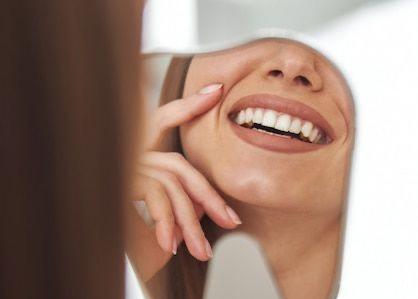
From dental chairs to beauty basements: who should touch your teeth?
Clinic whitening vs high‑street salon sessions
On one side of the road you might see a dental practice; on the other, a beauty salon with a reclining chair, headphones and a blue lamp. Both show before‑and‑after photos, both shout about “professional” results, yet the starting point is different. Dental teams first treat whitening as a health procedure: checking for decay, cracks, gum disease, old fillings or veneers, and sometimes advising treatment before any whitening gel goes near your enamel. Salons usually focus on cosmetic change within a set time slot and relaxing surroundings, relying heavily on your own description of sensitivity or pain history. Neither setting is automatically “good” or “bad”, but the first puts safety and long‑term planning first, the second prioritises ambience and quick visual change. The crucial question is which order of priorities actually fits your mouth.
Why qualifications and aftercare matter more than the lamp
Teeth whitening itself is relatively simple; dealing with what happens if things go wrong is not. Dental teams are trained to recognise when sensitivity is just temporary nerve irritation and when it might signal deeper issues, like pulp inflammation or a cracked cusp. They can adjust gel strength, shield exposed root surfaces, pause treatment or switch you to home trays. Beauty operators, especially in pop‑up settings, often have short cosmetic courses that overlook internal tooth anatomy, so any strong reaction may simply be labelled “normal” and you’re advised to buy a sensitive toothpaste. In the UK, only registered dental professionals are permitted to carry out bleaching with higher‑strength materials, precisely because someone must be clearly responsible if gums burn, nerves flare up or existing restorations fail. That layer of accountability is an invisible but significant part of what you pay for.
Gels, gadgets and that mysterious “blue light”
What actually does the whitening: chemistry, not magic beams
The Instagram‑friendly blue lamp is not the hero; the gel is. Professional products use regulated ingredients at carefully controlled strengths, timed and isolated away from gums. In clinics, gums are painted with protective barriers, cotton rolls and cheek retractors are placed, and gel is applied exactly where needed, sometimes sparing areas with thin enamel or exposed roots. Salons and “at‑home bar” style setups generally rely on lower‑strength cosmetic gels in generic trays to sidestep tighter rules. This can still brighten mild staining if you are patient, but often needs more sessions for smaller changes. That’s why two offers that both show a glowing lamp can differ wildly in price and results: you are really paying for concentration, precision and protection, not the light show.
Strips, trays and “instant” systems compared
Home strips, boil‑and‑bite trays, custom trays and in‑chair accelerators all sit on a spectrum of effort, speed and risk. Strips are simplest, good for light staining and people who hate clinics, but can sit poorly on crooked teeth and produce patchy results. Ready‑made trays feel more “official” yet can leak gel onto gums and rely on you judging how much to use. Custom trays from a practice spread gel evenly, hug each tooth and minimise overflow, ideal if you are willing to commit several weeks. In‑chair systems are built for speed before big events, but require careful screening and often suit people whose teeth and gums are already relatively healthy. Matching the method to your patience level and enamel sensitivity is more important than chasing the most dramatic advert.
| Whitening style | Best for | Main upsides | Key trade‑offs |
|---|---|---|---|
| Strips or simple kits | Light staining, tight budgets, clinic‑shy users | Easy, discreet, no appointments | Slow change, patchy on crooked teeth, limited strength |
| Custom trays from a dentist | Gradual but noticeable brightening, maintenance | Precise fit, adjustable strength, good value long‑term | Needs commitment over weeks, higher upfront fee |
| Single‑visit in‑chair session | Last‑minute events, photo‑heavy occasions | Fastest visible change, fully supervised | Greater chance of short‑term sensitivity, costlier per hour |
Used sensibly, all three routes have a place; problems start when expectations, lifestyle and method are badly matched.
Safety, sensitivity and spotting red flags in offers
When “too cheap” and “risk‑free” should ring alarm bells
Some deals genuinely help with costs; others quietly shift risk onto you. Ultra‑low prices can only exist if something is heavily cut back: qualified time, proper assessment, quality materials or aftercare. Marketing that promises “no sensitivity”, “permanent results” or “suitable for everyone” without listing any exceptions is ignoring reality. Even well‑planned whitening can trigger short, sharp zings, especially in people who already flinch with ice‑cold drinks. Offers that never mention exclusions, pre‑checks, gum health or existing dental work are signalling that health is not their starting point. That’s your cue to pause, not to type card details faster.
Fine print that matters more than the headline price
In busy parts of London, many promotions are built around booking algorithms rather than mouths: non‑refundable deposits, strict rescheduling windows, expired vouchers, “upgrade” fees once you’re in the chair. Package headlines may trumpet “full whitening” but the small print reveals extra charges for hygiene visits, moulds, top‑ups or even the consultation itself. Students, people planning weddings or anyone juggling shift work are especially vulnerable to losing money on “no‑show” clauses or weekday‑only conditions. Before buying, ask directly what the quoted figure covers from first message to final check, whether a pre‑treatment clean is mandatory, what happens if you are not suitable on assessment, and how long you realistically have to book and complete everything.
Time pressure: weddings, graduations and last‑minute makeovers
Working backwards from your big day
Whether it’s a ceremony, formal photos or an important interview, the diary date needs to drive your decision. If there are only days left, you are essentially choosing between a single in‑chair boost or accepting your current shade and focusing on a spotless polish instead. With two to three weeks, you might combine a clean with a short course of home trays or a moderate in‑chair session and a few days’ buffer in case of sensitivity. With a month or more, slower, gentler approaches become realistic: custom trays, habit changes around tea, coffee and red wine, maybe tying whitening into ongoing dental or orthodontic care. The mistake most Londoners make is researching fancy packages in the final week, when their enamel, nerves and schedule have very little room left to manoeuvre.
Leaving space for sensitivity, top‑ups and real life
Even when everything is done by the book, some people feel noticeable zaps, especially during the first few days of a stronger course. Planning your final session at least a week before the event lets that settle, and gives you time to tweak make‑up shades or suit colours if your teeth end up brighter than expected. Life also happens: tube strikes, last‑minute overtime, childcare chaos. A “use by” date that looks generous on a voucher page can suddenly feel tight. Choosing a provider that allows reasonable rescheduling, and starting earlier than the last available slot, can be the difference between a controlled glow‑up and trying not to wince every time you sip prosecco.
Making London deals work for real people (not just adverts)
Students, commuters and wedding planners: different mouths, different priorities
A student counting every pound, someone racing between meetings and an engaged couple building a joint budget all look at offers through different lenses. Students often gravitate to the cheapest headline price or campus‑area promotions; for them, checked‑over home trays that can be reused during placements or gap‑year jobs may quietly beat a single flashy in‑chair blast. Busy professionals might value same‑day clinic sessions near offices, plus occasional top‑up syringes, because losing half a day to repeated appointments costs more than the saving. Partners preparing for the same ceremony may prefer paired packages that include hygiene visits, so both sets of teeth and gums reach the big day in synchrony instead of one person dazzling and the other hiding in group photos.
| Situation | What usually matters most | Deal features to prioritise |
|---|---|---|
| Uni or college life | Tight budget, flexible schedule, mild staining | Student‑priced home‑tray bundles, clear rules, re‑usable trays |
| Office and shift workers | Time efficiency, central locations | Single‑visit clinic options, lunchtime or evening slots, straightforward aftercare |
| Wedding / big celebration | Matching smiles, photo‑friendly results | Bundles including hygiene, buffer time before event, options for both partners |
Using your real routine as the filter makes Google search pages far less overwhelming, and turns discount hunting into something closer to planning, not gambling.
Q&A
-
How can I find genuine Harley Street teeth whitening offers for 2026 without falling for fake discounts?
Focus on clinics registered with the GDC and CQC, check if the “offer” lists original prices, look for named dentists, and verify reviews on independent platforms, not just clinic websites or social media ads. -
What should I look for in laser teeth whitening London vouchers to ensure they’re safe and good value?
Check what’s included (consultation, shade check, aftercare), who performs the treatment (qualified dentist only), hydrogen peroxide strength, refund terms, and whether a patch or sensitivity test is offered. -
Are 2‑for‑1 teeth whitening London deals a smart choice for couples or friends?
They can be cost‑effective if both people are clinically suitable, but each still needs a proper dental assessment, clear individual consent, and realistic expectations about final shade and sensitivity. -
What makes same‑day or wedding teeth whitening packages in London different from standard whitening?
They usually bundle an in‑surgery whitening session with a quick polish, shade recording, and timing advice before photos, sometimes with top‑up trays, focusing on predictable results by the event date. -
Is laser teeth whitening worth it in London compared with tray‑based whitening, especially for students or budget‑conscious patients?
Laser whitening gives faster visible results but often at a higher cost; many reviews say trays give similar shades over weeks, so student discounts or hygiene‑plus‑whitening deals may offer better value.