
Navigating Dental Crises: Balancing Pain and Urgency
In moments of sudden oral distress, finding relief can be a race against time. When faced with acute tooth-related issues, understanding the subtle balance of addressing both discomfort and urgency is crucial. Deciphering the appropriate steps in these pressing scenarios becomes essential in safeguarding one's dental health.
Deciphering the Severity of Symptoms
Distinguishing Between Discomfort and Danger
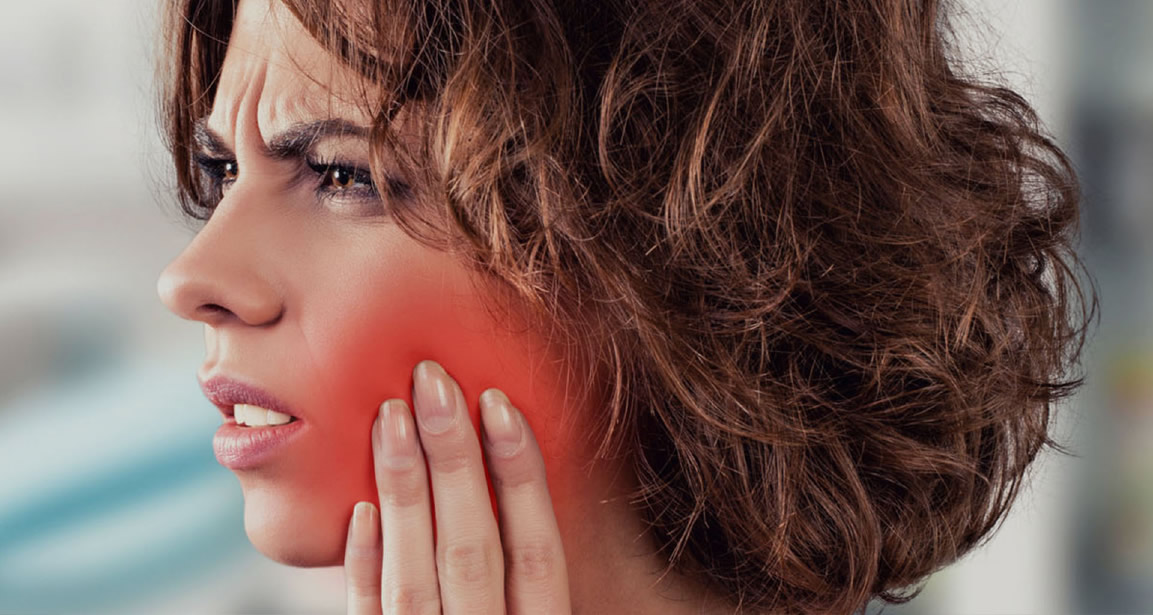
In the realm of dental care, the concept of triage is not exclusive to hospitals; it is a vital process used to evaluate the gravity of oral symptoms. When a sudden toothache strikes, the immediate question is often whether to rush to an emergency clinic or wait until regular hours resume. Triage helps draw a line between manageable distress and a genuine medical crisis that could threaten overall health. Many healthcare providers now offer advice lines or telehealth services where professionals assess symptoms remotely, guiding patients on whether immediate intervention is required based on clinical protocols.
Identifying "red flag" symptoms is the first step in this assessment. The most critical sign that demands instant attention is facial swelling, particularly if it extends to the neck or eye area. This indicates a severe infection or abscess that could potentially obstruct the airway or spread bacteria into the bloodstream, posing a systemic risk. Similarly, trauma resulting in uncontrollable bleeding or a suspected jaw fracture requires an immediate visit to an emergency room or a specialized urgent care facility. These are scenarios where waiting even a few hours could lead to life-threatening complications or permanent damage.
Conversely, not every pang of pain warrants an emergency run at midnight. Through careful evaluation, professionals can determine if the situation can be stabilized with over-the-counter medication until the morning. This distinction ensures that emergency resources are available for those in critical condition while allowing others to receive comprehensive care during normal hours. Understanding these differences prevents unnecessary panic and ensures that when you do seek help, it is at the right time and place for the specific level of care needed.
Immediate Response to Physical Trauma
Critical Steps for Displaced or Damaged Teeth
Physical accidents during sports or falls can result in a tooth being completely knocked out or severely dislodged. In these high-stakes moments, the actions taken within the first thirty minutes often determine the long-term prognosis of the tooth. If a permanent tooth is avulsed (knocked out), the biological tissues on the root surface begin to die rapidly once exposed to air. The golden rule is to handle the tooth only by the crown—the white part usually visible in the mouth—and never touch the root. Touching the root can crush the delicate cells needed for re-attachment.
If the tooth is clean, the best option is to gently reinsert it into the socket and bite down on a clean cloth to hold it in place. However, if this is not possible or the tooth is dirty, it must be kept moist. Dehydration is the enemy of reimplantation. Placing the tooth in cold milk is the industry standard because milk has a chemical composition compatible with living cells. If milk is unavailable, holding the tooth inside the cheek (taking care not to swallow it) or using a dedicated tooth preservation solution is effective. Water should generally be avoided as it can damage the root cells due to osmosis.
For teeth that are chipped or broken rather than knocked out, the urgency is slightly different but still significant. The fractured surface often leaves sharp enamel edges that can lacerate the tongue or cheek. Until a professional can smooth and restore the tooth, covering the sharp edge with sugar-free gum or orthodontic wax is a practical protective measure. It is vital to preserve any broken fragments in a moist environment, as they can sometimes be re-bonded. Under no circumstances should household superglue be used to fix the tooth at home; this damages the pulp and complicates the professional repair process.
Managing Lost Restorations and Fillings
It is a common occurrence for a filling or crown to dislodge while eating or flossing, instantly changing the sensation in the mouth. When a restoration is lost, the underlying dentin is exposed. Unlike the hard outer enamel, dentin is porous and highly sensitive to temperature and pressure. This exposure allows bacteria to penetrate closer to the nerve, potentially turning a minor inconvenience into a significant toothache if left untreated for too long. If a crown comes off, it should be kept safely in a small container rather than wrapped in a tissue where it might be accidentally thrown away.
Until professional care can be accessed, the primary goal is to protect the exposed tooth structure. Chewing on that side of the mouth should be avoided to prevent food debris from packing into the cavity or causing hydraulic pressure on the sensitive tubules. Temperature extremes—ice-cold drinks or hot soups—will likely trigger sharp pain and should be bypassed. Maintaining hygiene is crucial; gentle rinsing with salt water helps keep the area clean without causing irritation.
For temporary relief, many pharmacies sell over-the-counter dental cement or temporary filling material. This can be used to seal the void or temporarily re-seat a crown. However, this is strictly a stopgap measure. It does not seal the tooth perfectly against bacteria, and the bite will likely be high or uneven. Relying on a temporary fix for too long can lead to decay progressing silently underneath or the teeth shifting position, making the final repair more complex and expensive.
Strategies for Home Pain Management
Stabilizing the Condition Overnight
Pain that strikes at night is often perceived as more intense due to the lack of distractions and changes in hemodynamics. When lying down, blood pressure in the head increases, which can exacerbate the throbbing sensation of an inflamed tooth. While waiting for a clinic to open, effective self-care strategies focus on reducing this inflammation and managing pain perception. The first line of defense is usually non-steroidal anti-inflammatory drugs (NSAIDs), provided there are no medical contraindications. Taking these on a schedule, rather than waiting for the pain to peak, maintains a steady level of relief in the bloodstream.
Beyond medication, physical cooling is highly effective. Applying a cold compress—such as a bag of frozen peas wrapped in a towel—to the outside of the cheek constricts blood vessels and reduces swelling. It is important to apply cold for 10 to 15 minutes at a time to avoid tissue damage. Conversely, applying heat is a common mistake that should be avoided. Heat dilates blood vessels, increasing blood flow to the inflamed area and intensifying the throbbing pain. Similarly, avoiding alcohol and rigorous exercise is recommended, as both raise blood pressure and heart rate, which can worsen the throbbing sensation.
Postural adjustments also play a role in symptom management. Sleeping with the head elevated on two or three pillows prevents blood from pooling in the head and neck region, reducing the hydrostatic pressure inside the inflamed tooth pulp. This simple gravity-assisted technique can significantly reduce the "heartbeat in the tooth" sensation that prevents sleep. While these measures do not cure the underlying infection or fracture, they serve as a vital bridge, allowing the patient to endure the night with a manageable level of discomfort until professional treatment is available.
The Strategic Choice of Extraction
Prioritizing Systemic Health Over Retention
The decision to extract a tooth is rarely taken lightly, but in emergency medicine, it is sometimes the most responsible course of action to protect the patient's general health. When a tooth is severely infected, it acts as a reservoir for bacteria. If the infection has progressed to a severe abscess or cellulitis, the priority shifts from saving the tooth to stopping the spread of infection. An infection that is not contained can travel through fascial spaces in the neck, compromising the airway, or enter the bloodstream, leading to sepsis.
In cases where the immune system is compromised or the infection is aggressive, relying solely on antibiotics is often insufficient because the source of the infection—the necrotic tooth—remains. Extraction provides immediate drainage and removes the source, allowing the body's immune system and antibiotics to function effectively. This "source control" is a fundamental principle in treating infections. While losing a tooth is emotionally and functionally challenging, retaining a septic tooth poses a far greater risk. Dentists evaluate whether the structural integrity of the tooth is sufficient to hold a restoration; if the decay extends deep below the gum line or the root is fractured, extraction prevents a cycle of failed treatments and recurrent infections.
Furthermore, prolonging the life of a hopeless tooth can cause extensive damage to the surrounding bone. Chronic inflammation eats away at the jawbone, which is the foundation for any future restoration. By extracting a failing tooth at the appropriate time, the clinician preserves the remaining bone volume. This preservation is critical for future rehabilitation, such as the placement of a dental implant or a bridge. Delaying the inevitable often results in significant bone loss, making future replacement options more complex, invasive, and costly.
| Consideration Factor | Reason for Retention | Reason for Extraction |
|---|---|---|
| Infection Status | Infection is localized; nerve treatment has a high success rate. | Infection is spreading (swelling/fever); antibiotic resistance risk. |
| Structural Integrity | Sufficient tooth structure remains above the gum line to support a crown. | Deep cracks extend into the root; severe decay makes restoration impossible. |
| Bone Health | Bone support is adequate; periodontal tissues are healthy. | Severe bone loss (periodontitis) risks damaging adjacent teeth. |
| Quality of Life | Patient desires to keep the tooth and accepts re-treatment risks. | Chronic pain/infection disrupts daily life; quick resolution is preferred. |
Preserving Long-Term Oral Structural Integrity
Sometimes, the effort to save a single tooth can inadvertently jeopardize the health of its neighbors. This is particularly true in cases of severe periodontal disease or complex impactions. A tooth that has lost significant bone support may become mobile, creating a pocket where bacteria thrive. This bacterial load does not stay isolated; it assaults the bone support of adjacent, healthy teeth. In this "domino effect" scenario, removing the compromised tooth is a strategic move to sacrifice one unit in order to save the larger arch and maintain overall stability.
Additionally, functionality must be considered alongside biology. A tooth that is technically present but painful to bite on often causes the patient to alter their chewing pattern unconsciously. This compensatory chewing places excessive strain on the jaw joint (TMJ) and muscles, leading to headaches and wear on other teeth. If a tooth cannot be restored to full, pain-free function, it ceases to be an asset and becomes a liability. Extraction in these cases clears the path for restorative solutions that restore full chewing capacity, such as implants or dentures.
Finally, the psychological toll of chronic dental issues cannot be overlooked. Repeated, failed attempts to patch up a terminal tooth can lead to "dental fatigue," where a patient lives in constant fear of the next flare-up. Moving forward with extraction can be a liberating step, ending the cycle of pain and uncertainty. It allows the patient and the dental team to focus on rehabilitation and reconstruction, rather than emergency management. The goal of modern dentistry is not just to keep teeth in the mouth at all costs, but to ensure a functional, pain-free, and healthy oral environment for the long term.
Q&A
-
What is the first step in managing an avulsed tooth?
The first step in managing an avulsed tooth is to locate the tooth and handle it carefully by the crown, avoiding the root to prevent damage. If the tooth is dirty, rinse it gently with saline or milk, but do not scrub it. Immediate re-implantation is ideal, but if not possible, store the tooth in a suitable medium like milk or saline and seek dental treatment as soon as possible.
-
How can severe dental abscesses be treated effectively?
Severe dental abscesses require prompt attention from a dental professional. Treatment usually involves draining the abscess to relieve pressure and pain, followed by antibiotics to clear the infection. Pain management is also crucial, and over-the-counter pain relievers may be recommended. In some cases, a root canal or extraction may be necessary to address the underlying issue.
-
What are the common symptoms of irreversible pulpitis, and how is it treated?
Irreversible pulpitis often presents as severe, lingering pain in response to hot or cold stimuli, and sometimes spontaneous pain. Treatment typically involves root canal therapy to remove the inflamed pulp and seal the tooth. If the tooth cannot be saved, extraction may be necessary. Early diagnosis and treatment are essential to prevent further complications.
-
Why might immediate extraction be necessary, and what are the considerations?
Immediate extraction may be necessary in cases of severe infection, extensive tooth decay, or trauma where the tooth cannot be restored. Considerations include the patient's overall health, the risk of spreading infection, and future dental restoration plans. A dentist will evaluate the situation and discuss the best options with the patient.
-
What are effective pain control protocols for dental emergencies?
Effective pain control for dental emergencies often involves a combination of over-the-counter pain relievers like ibuprofen or acetaminophen, and in some cases, prescription medications. It's crucial to follow the dentist's recommendations regarding dosage and frequency. Additionally, cold compresses can help reduce swelling and numb the area temporarily. Always seek professional guidance for severe pain or if over-the-counter options are insufficient.
-
How important is after-hours availability for dental services?
After-hours availability is crucial for addressing urgent dental issues that occur outside regular office hours, such as severe pain, trauma, or infections. Having access to emergency dental care ensures timely treatment, which can prevent complications and provide relief. Many dental practices offer emergency contact numbers or collaborate with emergency dental services to provide necessary care.