
Safeguarding Little Grins: Exploring Key Pediatric Dental Treatments
A journey into the realm of dental care for the youngest members of society reveals practices that not only shield developing smiles but also pave the way for a lifetime of oral health. Undertaking gentle measures to mend tiny teeth, professionals ensure every child's radiance shines brightly.
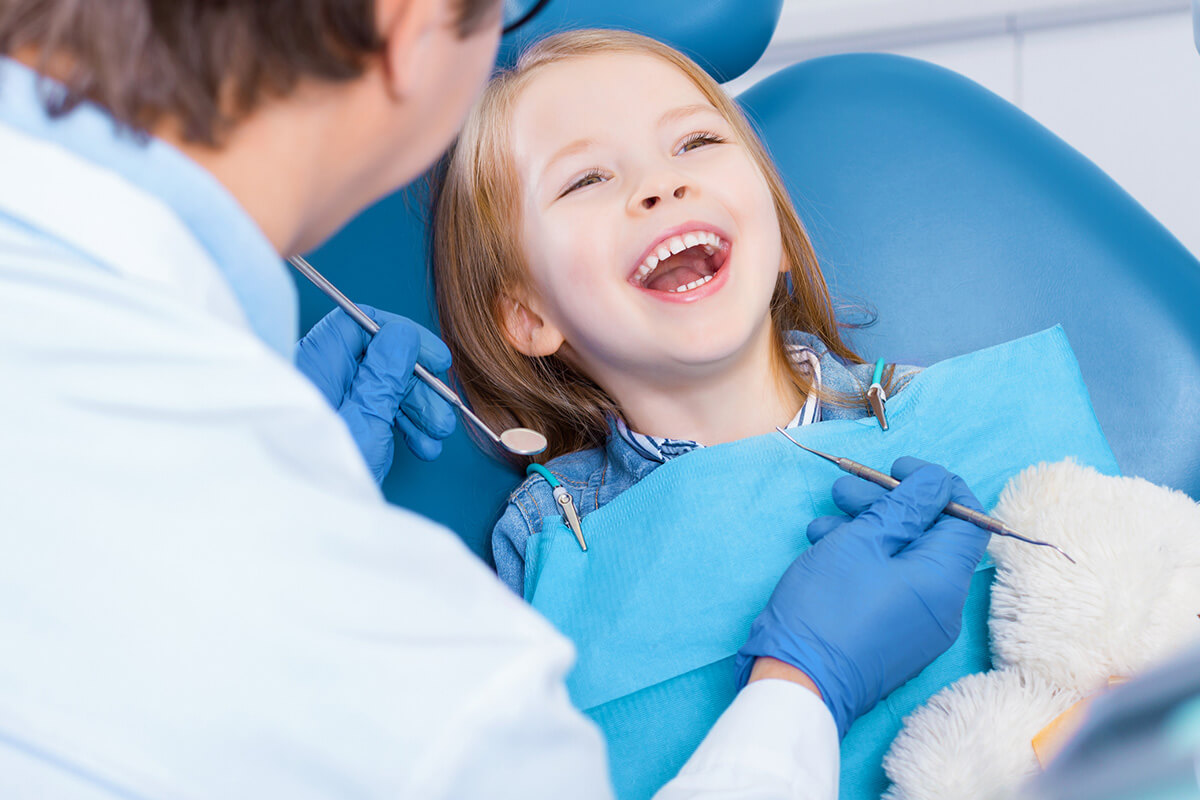
The Foundation of Early Repairs and Aesthetics
Addressing Decay with Invisible Solutions
The anatomy of a primary tooth is significantly different from that of an adult; the enamel is thinner, making it far more susceptible to the rapid progression of decay. When a cavity is detected early, the structural integrity of the tooth remains largely intact. In these scenarios, the preferred method of restoration is the application of composite resin. Unlike the silver amalgam fillings of the past, these modern materials are designed to bond directly to the tooth surface and match the natural shade of the surrounding enamel perfectly. This ensures that when a child laughs or speaks, there is no visible evidence of dental work, preserving their self-esteem alongside their oral health.
The procedure for placing these tooth-colored restoratives is generally straightforward and minimally invasive, which is crucial for maintaining a positive experience for young patients. After gently removing the decayed portion of the tooth, the dentist layers the composite material into the void. A special curing light is then used to harden the material instantly. This efficiency is vital in pediatric dentistry, as it minimizes the time a child needs to sit still in the chair. Beyond treating cavities caused by "sugar bugs," this method is also excellent for repairing minor chips or fractures that might occur during play. By sealing the tooth effectively, the resin prevents bacteria from re-entering and causing further damage, allowing the tooth to function normally for biting and chewing.
However, the decision to fill a tooth is not merely about plugging a hole; it is about restoring function. If a cavity is left untreated on a biting surface, it can alter how a child chews, potentially leading to uneven wear on other teeth or even jaw discomfort. By utilizing aesthetic and durable materials, dental professionals can ensure that the primary tooth continues to perform its essential duties until it is naturally ready to exfoliate and make room for its permanent successor.
Why Saving the "Baby" Tooth Matters
There is a pervasive myth among many parents that because primary teeth eventually fall out, treating them is unnecessary. This misconception can lead to significant long-term dental issues. Primary teeth serve as the essential blueprint for the permanent dentition. They act as natural space maintainers, holding the necessary arch length in the jaw to allow adult teeth to erupt in their correct positions. If a primary tooth is lost prematurely due to neglect or severe decay, the surrounding teeth may drift into the vacant space. This migration causes crowding and alignment issues that often require extensive and expensive orthodontic intervention later in life.
Furthermore, the health of a baby tooth directly influences the health of the developing permanent tooth underneath it. A severe infection in a primary tooth can spread to the surrounding bone and actually damage the enamel of the developing adult tooth before it even emerges. This can result in permanent teeth coming in with discoloration, malformation, or structural weaknesses. Therefore, the goal of pediatric restorative dentistry is almost always to preserve the natural tooth whenever feasible. This approach supports proper speech development, ensures adequate nutrition through effective chewing, and guides the growth of the jawbones.
| Scenario | Potential Consequence of Neglect | Benefit of Timely Restoration |
|---|---|---|
| Small Cavity | Decay spreads rapidly to the nerve, causing pain and infection. | Stops decay, restores function, and keeps the tooth alive. |
| Trauma/Chip | Rough edges cut the tongue; sensitivity to hot/cold foods. | Restores smooth surface and protects the inner tooth layers. |
| Deep Decay | Abscess formation; risk of damage to the developing adult tooth. | Prevents premature loss; maintains space for permanent teeth. |
Advanced Protection for Vulnerable Teeth
Shielding Smiles with Durable Crowns
When a primary tooth sustains extensive damage—whether from deep decay spanning multiple surfaces or a significant fracture—a standard filling is often insufficient to withstand the intense forces of chewing. In these instances, the tooth requires full-coverage protection to prevent it from splitting apart or breaking down further. This is where full-coverage restorations come into play. For posterior teeth (molars) that endure the brunt of grinding and chewing, stainless steel caps are the gold standard. These pre-fabricated metal crowns act like a suit of armor or a "safety helmet" for the tooth. They are incredibly durable, moisture-resistant, and have a track record of lasting until the tooth naturally falls out.
For front teeth where aesthetics are a primary concern, different materials such as zirconia or resin-faced crowns are utilized to maintain a natural white appearance. The process of placing a crown involves removing the decayed areas and slightly shaping the remaining tooth structure to accommodate the cap. Once cemented in place, the crown provides a hermetic seal that protects the remaining tooth structure from oral bacteria and acid attacks. This allows a tooth that might otherwise have been extracted to remain functional in the mouth.
The psychological benefit of this restoration should not be underestimated. Children who have severely decayed teeth may experience sensitivity or pain that prevents them from eating certain foods, or they may feel self-conscious about their appearance. By restoring the tooth's shape and function with a crown, the child can return to a normal diet and social interaction without discomfort. It effectively hits the "reset" button for that specific tooth, granting it a second lease on life to fulfill its developmental role.
Rescuing the Tooth from the Inside Out
In situations where cavities are left untreated for too long, bacteria can penetrate through the hard enamel and dentin, reaching the soft inner core of the tooth known as the pulp. This area contains the nerves and blood vessels. When this tissue becomes infected or inflamed, the child may experience spontaneous pain, sensitivity to temperature, or even waking up at night with a toothache. To resolve this infection and save the tooth, a procedure often referred to as "baby root canal treatment" is performed. While the terminology sounds intimidating to parents, the pediatric version is much faster and simpler than the adult equivalent.
There are generally two levels to this therapy. If the inflammation is limited to the upper part of the pulp chamber (usually the result of a deep cavity that hasn't yet caused an abscess), a pulpotomy is performed. This involves removing only the infected portion of the nerve while leaving the healthy root tissue intact. A medicated filling is then placed to soothe the remaining nerve and seal the chamber. However, if the infection has spread throughout the entire canal system, a pulpectomy is required. This involves removing the entire pulp tissue, cleaning the canals, and filling them with a resorbable material that will dissolve naturally when the body absorbs the baby tooth's roots.
Post-treatment, these teeth become more brittle because they no longer have a vital blood supply. Therefore, it is standard practice to cover a tooth that has undergone pulp therapy with a crown. This combination of treatments is a powerful strategy to eliminate pain and infection immediately while retaining the tooth for several more years. It avoids the trauma of extraction and ensures the biological path for the permanent tooth remains open and unobstructed.
Managing Tooth Loss and Future Growth
When Extraction is the Only Option
Despite the best efforts of dental professionals and parents, there are circumstances where a primary tooth simply cannot be saved. If an infection has progressed to the point where it is eroding the jawbone or threatening the health of the underlying permanent tooth, extraction becomes the necessary course of action. Additionally, if the tooth is so severely broken down that there is not enough structure left to support a crown, removal is the kindest option to prevent chronic pain and systemic infection. This decision is never taken lightly and is usually the last resort after all restorative avenues have been explored.
The extraction process in pediatric dentistry is handled with extreme care to ensure the child feels safe and comfortable. The use of local anesthesia and, if necessary, mild sedation helps manage any physical sensation and anxiety. The focus shifts from saving the individual tooth to protecting the overall oral ecosystem. Leaving a severely infected tooth in the mouth poses a greater risk to the child's health than the premature loss of the tooth. Once the source of infection is removed, the gums heal rapidly, and the child's body is relieved of the burden of fighting chronic inflammation.
However, the treatment plan does not end with the extraction. The dental team immediately looks toward the future impact of this loss. "Pulling the tooth" is not just the end of a problem; it is the beginning of a space management strategy. Parents are counseled on the importance of the next steps because simply leaving the gap empty can invite a cascade of orthodontic issues. The conversation shifts from immediate relief to long-term vigilance, ensuring the child’s arch development continues on a healthy trajectory despite the loss.
Holding the Line: Space Maintenance
When a primary molar is lost prematurely, the natural balance of the dental arch is disrupted. The teeth on either side of the gap, driven by natural forces, will tend to drift or tip into the empty space. This phenomenon effectively steals the room intended for the permanent premolar that will erupt years later. To prevent this, a device known as a space maintainer is fabricated and cemented into place. This appliance serves as a "placeholder," passively holding the empty space open and preventing adjacent teeth from shifting.
These devices are custom-made to fit the child's mouth and are typically constructed from stainless steel. The most common design involves a band cemented around a neighboring tooth, with a wire loop extending across the gap to touch the tooth on the other side. It is distinct from orthodontic braces in that it does not move teeth; it simply holds them where they are. The maintainer is non-removable, meaning the child cannot lose it or forget to wear it, which guarantees its effectiveness. It remains in the mouth until the permanent tooth begins to erupt, at which point the device is easily removed by the dentist.
| Condition of Primary Tooth | Recommended Intervention | Primary Goal |
|---|---|---|
| Infected Pulp (Reversible) | Pulp Therapy (Pulpotomy) + Crown | Remove pain, keep tooth vital, preserve space. |
| Necrotic Pulp (Irreversible) | Extraction + Space Maintainer | Eliminate infection source, mechanically hold space. |
Living with a space maintainer requires minor adjustments to the child's routine. Sticky foods like taffy, caramel, or chewing gum must be avoided, as they can pull the appliance loose or bend the wire. Oral hygiene becomes even more critical; food debris can easily get trapped around the wire and band, so diligent brushing and flossing are required. By adhering to these guidelines, parents ensure that the premature loss of a baby tooth does not result in a blocked-out permanent tooth, thereby simplifying or potentially eliminating the need for complex orthodontic treatment in the teenage years.
Q&A
-
What are the advantages of pediatric tooth-colored fillings?
Tooth-colored fillings, also known as composite fillings, offer several advantages for children. They blend seamlessly with the natural color of teeth, making them aesthetically pleasing. Additionally, they bond to the tooth structure, providing support and reducing the risk of breakage. This type of filling is also free from mercury, making it a safer option for children's health.
-
Why are stainless steel crowns used for kids' teeth?
Stainless steel crowns are commonly used for children's teeth due to their durability and cost-effectiveness. They are ideal for restoring primary molars with extensive decay or damage that cannot be repaired with fillings. These crowns protect the remaining tooth structure and maintain functionality until the primary teeth naturally fall out.
-
What is pulp therapy for primary teeth, and when is it necessary?
Pulp therapy, often referred to as a "baby root canal," is a treatment used to save a decayed or infected primary tooth. It is necessary when the pulp, the innermost part of the tooth containing nerves and blood vessels, becomes inflamed or infected. This therapy helps preserve the tooth, allowing it to maintain its role in chewing and space management for permanent teeth.
-
How is a baby root canal different from an adult root canal treatment?
A baby root canal, or pulpotomy, is typically less invasive than an adult root canal. It involves removing only the diseased pulp tissue from the crown portion of the tooth, leaving the root canal untouched. This is usually sufficient for primary teeth, as they will eventually be replaced by permanent teeth, unlike adult teeth that require complete root canal treatment to save the tooth long-term.
-
What is space management after extraction, and why is it important for children?
Space management after the extraction of a primary tooth is crucial to ensure proper alignment and spacing of the remaining teeth. When a primary tooth is prematurely lost, adjacent teeth may shift into the empty space, leading to crowding or misalignment of the permanent teeth. Dental appliances, such as space maintainers, are often used to hold the space open and guide the eruption of the permanent teeth into their correct positions.