
Mastering Your Denture Care Routine for Optimal Oral Health
Navigating the nuances of oral wellness requires thoughtful attention, especially when certain appliances become part of the daily routine. Regular, meticulous care ensures not only physical comfort but also a sense of self-assured ease amidst daily social interactions. Prioritize mindful habits to maintain a bright, healthy smile.
Establishing a Gentle yet Effective Cleaning Ritual
The Art of Delicate Brushing and Debris Removal
The journey to maintaining a comfortable experience with your appliance begins immediately after eating. While it might seem like a minor detail, food particles trapped between the acrylic base and your gums can rapidly lead to irritation and unpleasant odors. Developing a habit of rinsing your appliance under running water after every meal is the first line of defense. However, the temperature of the water is a critical detail that is often overlooked. While one might assume hot water provides a better clean or disinfection, high temperatures can actually warp the plastic material, ruining the custom fit that keeps the device secure. Always stick to room temperature or lukewarm water to preserve the shape and integrity of the appliance.
When it comes to the actual scrubbing process, the approach must be fundamentally different from brushing natural teeth. Most standard toothpastes contain abrasive particles designed to scrub enamel, which is the hardest substance in the human body. However, denture materials are much softer and more porous. Using regular toothpaste can create microscopic scratches on the surface of the appliance. These invisible crevices become safe havens for bacteria and plaque, which can eventually lead to staining and persistent bad breath.
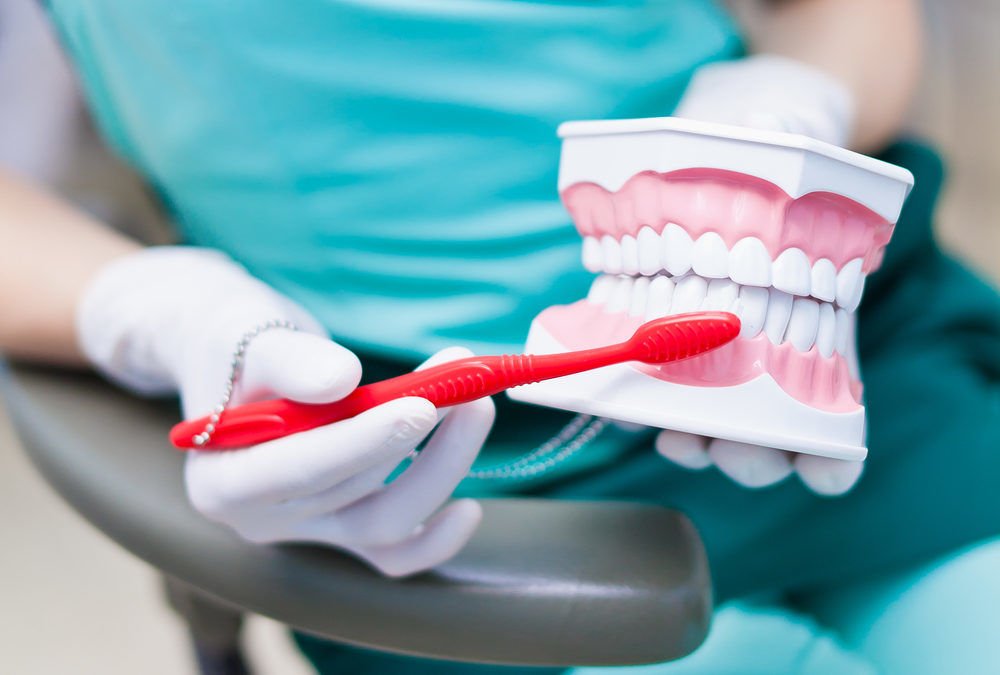
Instead, utilize a brush specifically designed for this purpose, or a very soft-bristled toothbrush. Pair this with a non-abrasive cleanser or mild, unperfumed dish soap. Before you begin, it is a wise precaution to fill the sink basin with water or lay down a folded towel. This acts as a safety net; slipping and dropping the appliance is a common accident, and hitting hard ceramic can cause fractures. By cushioning the area, you ensure that a moment of clumsiness doesn't turn into an expensive repair. This gentle, mindful approach to physical cleaning prevents surface damage while effectively removing the biofilm that accumulates throughout the day.
| Cleaning Approach | Impact on Appliance Integrity | Recommended For |
|---|---|---|
| Abrasive Toothpaste | High Risk: Creates micro-scratches that trap bacteria and cause discoloration. | Never recommended for prosthetics. |
| Hot/Boiling Water | High Risk: Causes warping and permanent distortion of the acrylic shape. | Never recommended. |
| Mild Dish Soap | Safe: Effectively removes oils and debris without scratching the surface. | Daily mechanical brushing. |
| Enzymatic Soaking Solution | Safe: Chemically breaks down proteins and bacteria in hard-to-reach areas. | Nightly soaking routine. |
The Importance of Nighttime Rest and Hydration
Why Your Gums Need a Break While You Sleep
Just as your body requires sleep to recover from the stresses of the day, the soft tissues in your mouth need a respite from the pressures of wearing an oral appliance. Wearing these devices is often compared to wearing a pair of shoes; no matter how comfortable they are, keeping them on for 24 hours a day would eventually lead to soreness and circulation issues. The gums are constantly compressed under the hard base of the appliance during waking hours, which can impede blood flow. By removing the device at night, you allow the gum tissue to "breathe," promoting better circulation and reducing the risk of inflammation or fungal infections like stomatitis.
Furthermore, the oral environment changes drastically during sleep. During the day, saliva production is high, helping to naturally wash away bacteria and neutralize acids. At night, however, saliva flow decreases significantly. If an appliance is left in, it creates a stagnant environment where bacteria can thrive unchecked between the plastic and the gums. This trapped layer of plaque can not only cause gum irritation but, in some cases, may increase the risk of respiratory issues if bacteria are aspirated. Establishing a strict "removed at bedtime" rule is less about storage and more about allowing your body’s natural self-cleaning and repair mechanisms to function without obstruction.
Proper Hydration and Soaking Protocols
Once the appliance is removed, how it is stored is just as critical as how it is cleaned. The acrylic resin used in these devices acts somewhat like a sponge; it requires constant moisture to maintain its structural integrity. If left to dry out in open air, the material can lose essential moisture, leading to shrinkage, warping, or even cracking. A dried-out appliance may no longer fit correctly, causing pressure spots and discomfort the next morning. Therefore, the golden rule of overnight care is to keep the device submerged in water or a specialized solution.
Soaking serves a dual purpose: hydration and deep cleaning. While mechanical brushing removes surface debris, it cannot always reach the microscopic pores of the material. Chemical soaking solutions are designed to penetrate these areas, breaking down stain-causing molecules and bacteria that a brush might miss. This is also the ideal time to ensure any remaining adhesive residue is fully dissolved and removed. Waking up to a device that is fresh, moist, and free of slimy biofilm sets a positive tone for the day. It is important to rinse the appliance thoroughly under running water before inserting it back into your mouth to wash away any residual chemicals from the soaking solution.
Specialized Attention for Partial Appliances and Soft Tissues
Symbiotic Care for Remaining Teeth and Appliances
For those wearing partial appliances, the stakes for oral hygiene are arguably higher because the health of the prosthetic relies heavily on the health of the remaining natural teeth. Partial devices often use metal clasps or precision attachments that grip onto natural teeth for stability. These anchor teeth bear a significant load, and the areas where the metal meets the tooth surface can easily trap food and plaque. If these areas are neglected, the natural teeth can succumb to decay or gum disease, which destabilizes the entire dental arch.
In this context, the partial appliance and the natural teeth must be viewed as a team. If an anchor tooth is lost, the appliance may become useless, necessitating a completely new fabrication. Therefore, the cleaning routine must be meticulous regarding the clasps and the complex topography of the partial denture. These devices often have irregular shapes to fit around existing teeth, creating nooks and crannies where bacteria congregate. Using a specialized brush to navigate around the delicate metalwork is essential to prevent bending the clasps while ensuring no plaque remains. Simultaneously, the natural teeth must be flossed and brushed with extra care, particularly the surfaces that sit adjacent to the appliance.
Nurturing the Foundation: Gum and Mucosa Health
The focus of a hygiene routine often centers on the hardware—the teeth and the appliance—but the biological foundation, the gums and mucous membranes, requires equal attention. Even with a perfect fit, an appliance exerts friction and pressure. Over time, if the underlying tissue is not cared for, it can lead to accelerated bone resorption (shrinkage of the jawbone) or chronic inflammation. A holistic care routine involves massaging the gums after the appliance is removed. Using a soft finger brush, a piece of sterile gauze, or a specialized sponge brush, gently wiping the ridges of the gums, the palate, and the tongue stimulates blood flow and removes stagnant cells and bacteria.
This massage technique does more than just clean; it toughens the tissue and improves circulation, which helps maintain the shape of the ridge for longer periods. It is also a crucial step for removing any stubborn adhesive paste that may be clinging to the roof of the mouth, which can feel gritty and uncomfortable if left overnight. By keeping the mucosal tissue healthy and firm, you ensure that the appliance has a stable, comfortable base to rest upon. If you notice persistent redness, bleeding, or sore spots during this massage, it is a clear signal to visit a professional for an adjustment, rather than trying to endure the discomfort.
| Routine Step | Action Description | Benefit to Oral Health |
|---|---|---|
| Morning Prep | Rinse appliance thoroughly to remove soaking solution residue. | Prevents chemical irritation and ensures a fresh taste. |
| Post-Meal | Remove and rinse with tepid water; rinse mouth to clear loose food. | Prevents food impaction and physical irritation of gums. |
| Evening Removal | Take out appliance; brush with non-abrasive cleaner. | Removes daily buildup of biofilm and stain-causing agents. |
| Gum Massage | Wipe gums and palate with damp gauze or soft brush. | Stimulates blood flow and removes adhesive residue. |
| Overnight | Submerge appliance in water or cleaning solution. | Prevents warping (drying out) and controls bacterial growth. |
Q&A
-
What is the importance of daily denture cleaning?
Daily denture cleaning is crucial to maintain oral hygiene and prevent the buildup of plaque and bacteria. Regular cleaning helps to avoid bad odors, stains, and potential infections that can arise from accumulated debris. It also prolongs the lifespan of the dentures, ensuring they remain in good condition and fit comfortably.
-
Why should dentures be removed at night?
Removing dentures at night allows your gums and mouth tissues to rest and recover from the pressure exerted by wearing dentures during the day. This practice also helps prevent infections and sores that can result from continuous wear. Additionally, removing dentures at night provides an opportunity for a thorough cleaning and for the dentures to be soaked overnight.
-
What are the best practices for brushing dentures?
When brushing dentures, use a soft-bristled brush specifically designed for dentures and a non-abrasive denture cleaner. Avoid using regular toothpaste, as it may be too harsh. Brush all surfaces gently to remove food particles and plaque without damaging the material. Rinse the dentures thoroughly after brushing to remove any cleaning solution.
-
What role do denture soaking solutions play in denture care?
Denture soaking solutions are essential for sanitizing dentures and removing stubborn stains and deposits that brushing alone might not eliminate. These solutions help to disinfect the dentures, keeping them free from harmful bacteria and fungi. It's important to follow the manufacturer's instructions when using these solutions to ensure optimal results and avoid damaging the dentures.
-
How should one care for partial dentures differently from full dentures?
Partial dentures require special attention to ensure both the dentures and the natural teeth remain in good condition. In addition to cleaning the partials, it's important to maintain regular brushing and flossing of the remaining natural teeth to prevent decay and gum disease. Regular dental check-ups are also crucial to assess the fit and function of the partial dentures and to make necessary adjustments.