
A Safe Smile: The Essentials of Pediatric Dental Sedation
Ensuring a child's comfort during dental visits involves techniques that prioritize both safety and ease. As methods evolve to manage anxiety and enhance cooperation, a delicate balance is maintained between the effective application of calming agents and vigilant oversight to safeguard young patients' well-being throughout the experience.
Building a Foundation of Comfort and Trust
Transforming Anxiety into a Positive Experience
For many parents, the idea of using pharmacological methods to calm a child during a dental visit can trigger a protective instinct. It is entirely natural to question whether medication is necessary for a cavity filling or an extraction. However, the primary objective of modern anxiety management techniques in pediatric dentistry extends far beyond simply keeping a child still. The true goal is to eliminate the psychological burden of fear and prevent the development of long-term dental phobias. For young children, or those who have previously endured a painful medical experience, the sensory overload of a dental office—bright lights, loud noises, and invasive sensations—can be overwhelming.
When a child is forced to endure treatment while in a state of high distress, it can result in a traumatic memory that persists well into adulthood. By utilizing appropriate relaxation techniques, the child’s consciousness is gently altered to reduce tension. This allows the procedure to pass with a sense of detachment. Instead of remembering the drill or the pressure, the child often recalls a feeling of warmth or simply waking up when it is all over. This shift in perception is critical; it transforms what could be a terrifying ordeal into a manageable, neutral, or even positive event. Ultimately, these interventions act as a bridge, helping children develop a relationship with oral healthcare that is defined by trust rather than fear.
The Spectrum of Relaxation Options
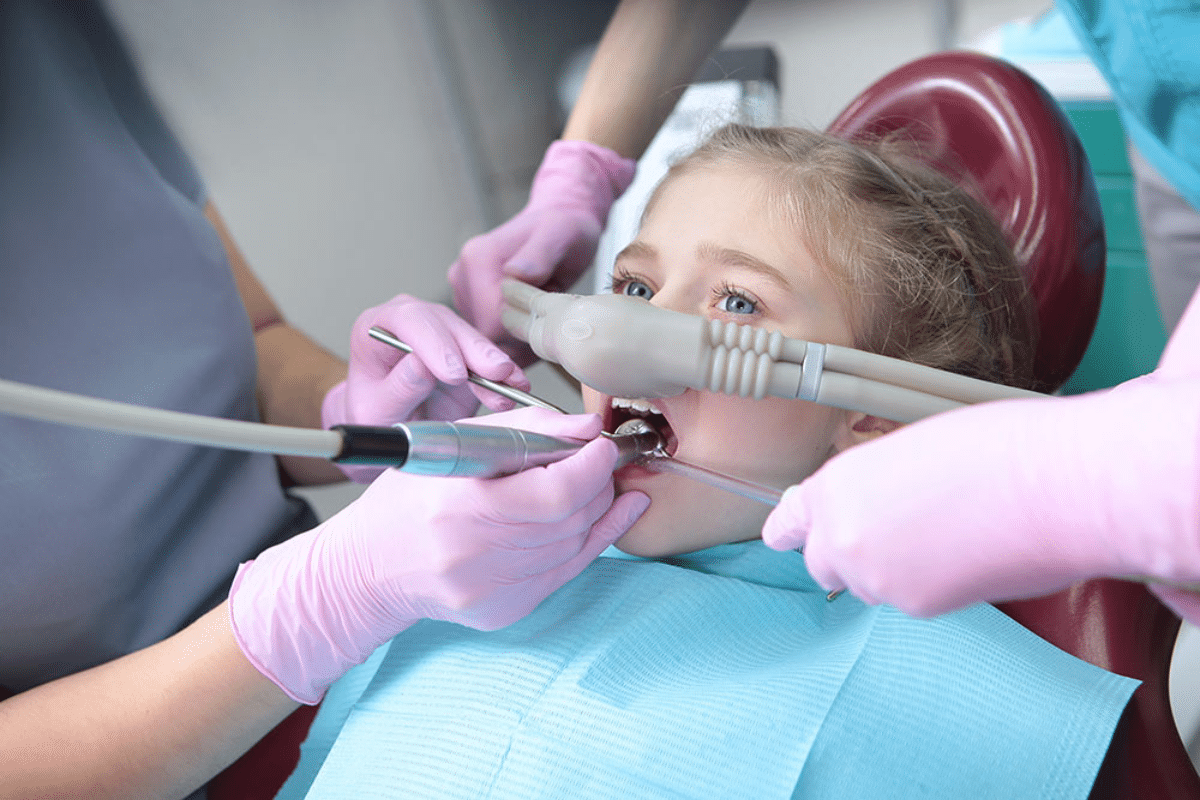
The methods used to achieve this state of relaxation vary significantly depending on the child’s anxiety level and the complexity of the dental work required. The most common entry-level approach involves a mixture of oxygen and a sweet-smelling gas inhaled through a small nasal mask. This "giggle gas" is highly favored because it does not induce sleep; rather, it creates a warm, floating sensation that distances the child from the immediate stress of the environment. It is particularly effective because its effects are transient; once the mask is removed, the gas leaves the system within minutes, allowing for a rapid return to a normal state.
For children who require a deeper level of anxiety relief, or for those who cannot tolerate a mask on their face, liquid medications offer a needle-free alternative. Administered as a flavored syrup or mixed into a drink before the procedure begins, this method provides a moderate level of sedation. While the onset is slower than inhalation methods, taking effect over 20 to 40 minutes, it often induces a "twilight" state where the child remains responsive but is largely unbothered by their surroundings. A significant benefit of this approach is its amnesic quality; many children have little to no memory of the procedure itself. By tailoring the method to the specific emotional and physical needs of the patient, dentists can ensure the experience is as non-invasive as possible.
Clinical Protocols and Parental Preparation
| Feature | Inhalation Therapy | Oral Syrup Administration | Intravenous (IV) Therapy |
|---|---|---|---|
| Primary Sensation | Tingling, warmth, floating feeling | Sleepiness, reduced awareness | Profound relaxation, rapid onset |
| Consciousness Level | Fully awake and responsive | Drowsy but responsive to commands | Depressed consciousness, may not remember |
| Administration | Nasal mask (breathable gas) | Swallowed liquid (drink/syrup) | Injection or IV line |
| Typical Use Case | Mild anxiety, simple procedures | Moderate anxiety, young children | High anxiety, complex/long surgeries |
| Recovery Speed | Very fast (minutes) | Moderate (hours to wear off) | Slow (requires supervised recovery) |
Rigorous Safety Standards and Monitoring
Safety is the paramount concern when introducing any sedative agent to a pediatric patient. Modern pediatric dental practices operate under strict guidelines that prioritize the child's respiratory and cardiovascular stability above all else. It is a common misconception that sedation simply involves putting a child to sleep; in reality, it involves a sophisticated system of monitoring and management. During the procedure, the dental team utilizes pulse oximetry and other monitoring devices to track heart rate, oxygen saturation, and breathing patterns continuously. This technology acts as a safety net, alerting the team to even the slightest physiological change.
Furthermore, the environment is equipped to handle contingencies. Dentists trained in these modalities are required to have reversal agents on hand—medications that can instantly counteract the effects of sedatives if a child reacts more strongly than anticipated. The dosage is never a "one size fits all" calculation; it is meticulously determined based on the child’s weight, age, and medical history. Before any medication is administered, a thorough health screening is conducted to rule out respiratory issues or allergies. This multi-layered approach to risk management ensures that the child is not only comfortable but safe, allowing parents to feel confident in the care provided.
The Critical Role of Pre-Visit Instructions
The success and safety of a sedated appointment rely heavily on adherence to pre-procedure guidelines, specifically regarding fasting. Often referred to as "NPO" (Nothing by Mouth) status, these rules are strictly enforced to protect the child's airway. When a child is sedated, the natural reflexes that prevent vomiting and protect the lungs are suppressed. If the stomach contains food or liquid, there is a risk of regurgitation and aspiration, which can be dangerous. Parents are typically given a specific schedule—usually stopping solid foods by midnight and clear liquids a few hours before the appointment. While denying a hungry child breakfast can be difficult, it is a non-negotiable safety factor.
Beyond dietary restrictions, the child’s general health on the day of the appointment is crucial. Respiratory efficiency is vital for sedation, particularly for inhalation methods that rely on breathing through the nose. Conditions like a common cold, enlarged tonsils, or a stuffy nose can compromise the effectiveness of the gas and the safety of the airway. Parents are advised to dress their children in loose, comfortable clothing to facilitate breathing and allow easy attachment of monitoring equipment. Emotional preparation is also key; parents should avoid projecting their own anxieties and instead describe the visit in simple, non-threatening terms, perhaps bringing a favorite toy or blanket to provide a sense of security and familiarity in the clinical setting.
Navigating the Recovery Period
Immediate Post-Procedure Care
Once the dental procedure is complete, the transition from the clinical chair to the car and eventually home requires attentive supervision. Depending on the method used, the child may still feel the effects of the medication for several hours. They may appear groggy, have poor balance, or fluctuate between being awake and drifting off to sleep. During the journey home, it is essential to ensure the child’s head is supported to keep the airway open, especially if they fall asleep in a car seat. The chin should be kept up and away from the chest.
Upon arriving home, the child should not be left unattended. Even if they claim to feel fine, their coordination and judgment may be impaired, increasing the risk of falls on stairs or tripping over obstacles. The ideal environment for the first few hours is a quiet, comfortable space—a "nest" made of pillows on the floor or a low sofa—where they can rest, watch a movie, or listen to music. This period of rest allows the body to metabolize the remaining medication without the stress of physical exertion. Parents should monitor breathing to ensure it remains regular and unlabored, and be prepared for potential side effects like nausea, although this is less common with modern medications when fasting guidelines have been followed.
Managing Diet and Activity Levels
Resuming normal eating habits requires patience and caution. The digestive system may be sensitive, so it is best to start with clear liquids like water or diluted apple juice to ensure the child stays hydrated without overwhelming the stomach. If liquids are tolerated well, parents can gradually introduce soft, bland foods such as yogurt, pudding, or lukewarm soup. Heavy, greasy, or spicy foods should be avoided until the child has fully recovered.
A specific hazard to watch for is soft tissue trauma caused by numbness. If local anesthesia was used alongside sedation, the child's lips, tongue, and cheeks might remain numb for hours. In this state, children may unknowingly bite, chew, or suck on their numb lip, causing significant swelling and injury. Parents must vigilantly observe the child to prevent this behavior. Regarding activity, the rest of the day should be designated as a "recharge day." Vigorous play, sports, or riding bikes should be strictly off-limits, as reflexes will be slower than usual. By keeping the day low-key and strictly managing food intake, parents ensure a smooth and complication-free end to the treatment experience.
| Category | Recommended Actions (DOs) | Actions to Avoid (DON'Ts) |
|---|---|---|
| Hydration & Diet | Start with sips of water; move to soft foods like jelly or yogurt. | Do not give solid, hard, or hot foods until numbness wears off. |
| Physical Activity | Rest on the sofa; read books; watch cartoons; nap if tired. | No running, climbing, biking, or swimming for the rest of the day. |
| Numbness Care | Watch the child closely to ensure they don't bite their lip or cheek. | Do not let the child chew on the numb area or scratch their face. |
| Monitoring | Check breathing periodically if they are sleeping; support head in the car. | Do not leave the child unattended in a room or bath. |
| Warning Signs | Call the dentist if vomiting persists or if a fever develops. | Do not ignore difficulty breathing or extreme lethargy. |
Q&A
-
What is Nitrous Oxide and how is it used for children in pediatric dentistry?
Nitrous Oxide, often referred to as "laughing gas," is a mild sedative used in pediatric dentistry to help children relax during dental procedures. It is administered through a small mask that fits over the child's nose, allowing them to breathe in the gas. The effects are felt quickly and include a feeling of calmness and euphoria, making it easier for children to undergo dental treatments without anxiety.
-
How does Oral Conscious Sedation differ from IV Sedation in pediatric dentistry?
Oral Conscious Sedation involves administering sedative medication orally, allowing the child to remain awake but relaxed during the procedure. It is less invasive compared to IV Sedation, which requires inserting a needle into a vein to deliver medication directly into the bloodstream. IV Sedation typically provides deeper sedation and is used for more complex or lengthy procedures, ensuring the child remains comfortable and cooperative.
-
What are the key components of Sedation Safety Protocols in pediatric dentistry?
Sedation Safety Protocols are critical to ensuring the well-being of children undergoing sedation. Key components include thorough patient evaluation, appropriate sedative dosage calculation based on the child's weight and health status, continuous monitoring of vital signs, and having emergency equipment and trained personnel readily available. These protocols help minimize risks and ensure a safe sedation experience.
-
What are some important Pre-Sedation Instructions for parents of children undergoing dental sedation?
Parents should be provided with clear pre-sedation instructions, such as ensuring the child fasts for a specific period before the procedure to reduce the risk of aspiration. They should also inform the dental team of any medications the child is taking or any health issues. Additionally, parents should prepare the child by explaining the process in a reassuring manner to reduce anxiety.
-
What Post-Sedation Care should be provided for kids after dental sedation?
After dental sedation, it is important for children to be closely monitored as they recover. Parents should be advised to keep the child hydrated and offer soft foods once they are fully awake. Rest is essential, and parents should watch for any adverse reactions, such as prolonged drowsiness or nausea, and contact the dentist if they have concerns. Providing a calm and supportive environment will aid in a smooth recovery.