
Transformative Veneers: Bridging Gaps and Correcting Colors
From enhancing smiles to addressing complex dental challenges, thin porcelain shells have become indispensable in modern dentistry. Their potential goes beyond beautification, offering solutions to various structural and cosmetic dental issues. Coupled with advances in dental technology, they cater to diverse needs, ensuring confident, radiant transformations.
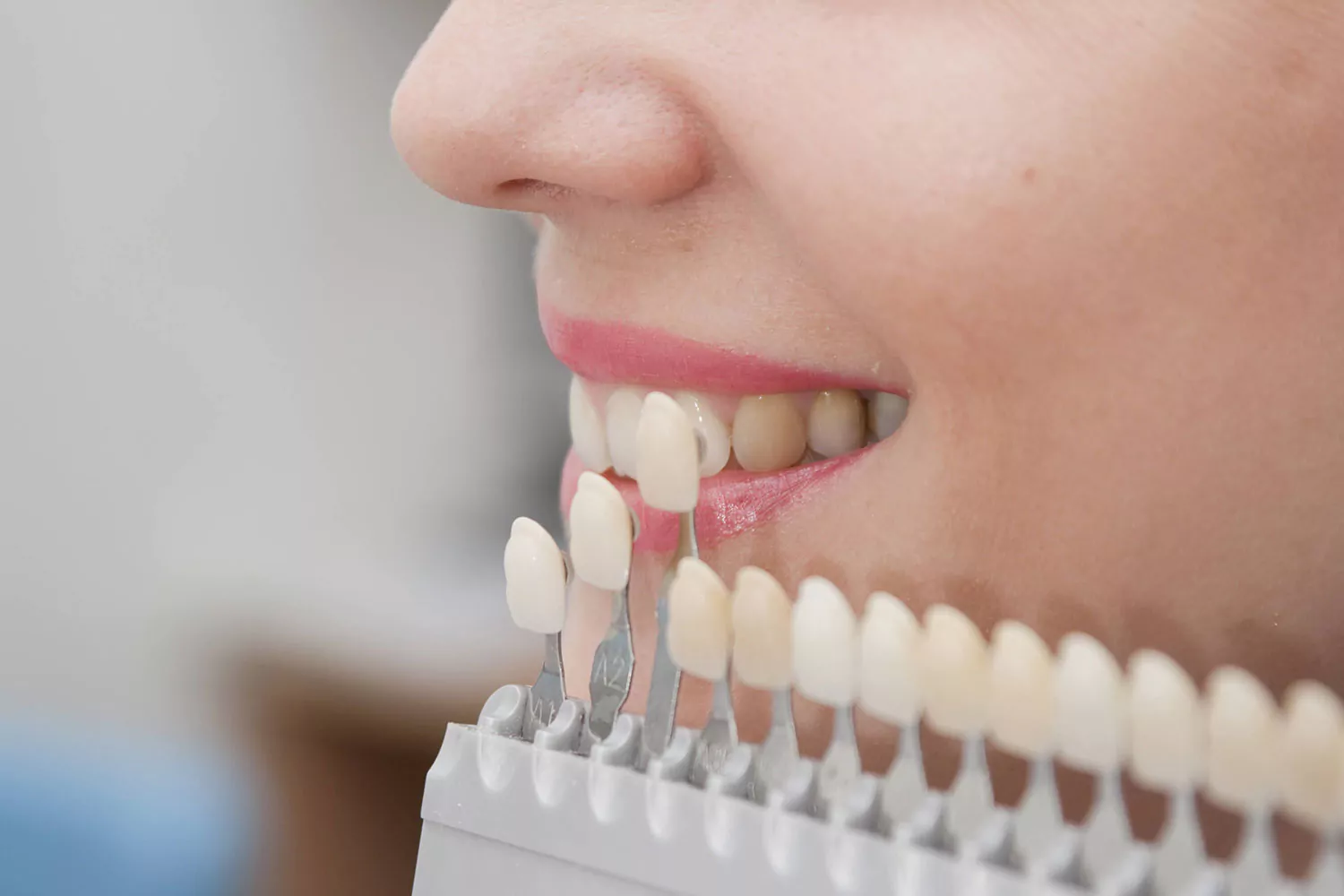
Architectural Refinements for Spacing and Alignment
Bridging the Distance Between Teeth
One of the most common cosmetic concerns individuals face is the presence of noticeable gaps between teeth, particularly in the frontal region. Known in dental terms as a diastema, this spacing can significantly influence the harmony of a smile. While orthodontic treatments like braces or clear aligners are traditional methods for moving teeth to close these gaps, they often require months or even years of treatment. For adults seeking a more immediate and less physically intrusive solution, placing custom-made shells on the tooth surface offers a compelling alternative.
This approach does not involve physically shifting the tooth roots. Instead, it relies on a precise additive technique. By designing a restoration that is slightly wider than the natural tooth, the ceramic material effectively "bridges" the open space. The result is a continuous, unbroken dental arch that looks completely natural. Because the material used is typically high-grade ceramic or porcelain, it mimics the light-reflecting properties of natural enamel. This ensures that the widened teeth do not look bulky or artificial but rather blend seamlessly with the surrounding dentition.
The process is minimally invasive compared to the extensive mechanics of orthodontics. In many cases, the preparation requires little to no removal of the natural tooth structure, preserving the integrity of the underlying biology. For patients who have hesitated to smile due to gaps, this method provides not just a physical correction but a psychological boost. The transformation is often immediate, allowing individuals to leave the dental clinic with a gap-free smile in just a couple of appointments, drastically reducing the timeline to achieve their aesthetic goals.
The Illusion of Instant Orthodontics
Beyond simple spacing, the overall alignment and "line" of the teeth play a crucial role in facial aesthetics. Many people are dissatisfied with minor misalignments, such as a single tooth that sits slightly further back than the others or a tooth that is slightly rotated. While these issues are technically alignment problems, they do not always necessitate the comprehensive force systems of wire braces. This is where the concept of "visual correction" comes into play, utilizing ultra-thin laminates to create the appearance of a perfectly aligned set of teeth without actually moving them.
By carefully adjusting the thickness and angle of the veneer applied to a misaligned tooth, a dentist can bring a recessed tooth forward to match its neighbors or mask a minor rotation. This technique is often referred to as "instant orthodontics." It is particularly effective for adults who want to improve their smile line—the curve that the edges of the upper teeth create, which should ideally follow the curve of the lower lip—without undergoing the long-term commitment of braces. The custom shells are sculpted to create a uniform, symmetrical arch, correcting the visual trajectory of the smile.
| Feature | Visual Correction (Restorative) | Structural Correction (Orthodontic) |
|---|---|---|
| Primary Mechanism | Modifies the shape and surface volume of the tooth | Physically moves the tooth root and crown |
| Time Investment | Typically completed in 2-3 visits (weeks) | Requires continuous treatment (months to years) |
| Ideal Scenario | Minor rotations, setbacks, or shape discrepancies | Severe crowding, jaw misalignment, or bite issues |
| Aesthetic Result | Immediate improvement in color and shape | Improves position; shape/color remain unchanged |
This visual camouflage is highly precise. Dentists operate with fractions of a millimeter, ensuring that the final result is not only straight but also functional. It is a strategic choice for those who say, "I wish this one part was straighter," providing a solution that balances time efficiency with high-impact visual results.
Advanced Solutions for Color and Texture
A Permanent Solution for Stubborn Stains
While teeth whitening is a popular entry-point for smile makeovers, it has inherent limitations. Many individuals suffer from deep, intrinsic discoloration that lies beneath the enamel surface. This type of staining can be caused by various factors, including the use of certain antibiotics like tetracycline during childhood, excessive fluoride intake, or the darkening of a tooth following root canal therapy or trauma. In these scenarios, traditional chemical bleaching agents are often ineffective because they primarily target surface stains.
For these resilient forms of discoloration, covering the tooth surface offers a definitive solution. Rather than trying to extract the stain, the veneer serves as a pristine, new facade. This is analogous to resurfacing a wall rather than scrubbing it. The ceramic material used is distinct for its opacity control; it can be layered to effectively block out the dark underlying structure while maintaining a translucent, life-like outer appearance. This allows patients to select a shade of white that looks healthy and radiant, regardless of the original color of their natural teeth.
Furthermore, unlike natural enamel which is porous and susceptible to staining from coffee, wine, or tobacco, high-quality porcelain is impervious to pigments. This means the "new" white is permanent. For patients who have spent years cycling through whitening products with little success, this approach offers consistency. It provides a uniform brightness across the entire smile, eliminating the patchy or greyish appearance often associated with intrinsic staining, and restoring a youthful vibrancy that scrubbing simply cannot achieve.
Reinforcing Enamel and Reducing Sensitivity
A less discussed but clinically significant application of these restorations is the management of enamel hypoplasia. This condition involves the incomplete development of the enamel, resulting in teeth that may have a pitted, rough surface, or are dangerously thin. People with this condition often deal with more than just aesthetic concerns; they frequently suffer from hypersensitivity to temperature and are at a higher risk for decay because their teeth lack the robust protective outer layer of healthy enamel.
In these cases, applying a bonded restoration acts as a surrogate layer of enamel. Modern bonding protocols allow the ceramic to fuse securely with the existing tooth structure, effectively sealing the dentin and protecting the tooth from external stimuli. This turns the procedure from a purely cosmetic one into a functional, protective intervention. The ceramic shell creates a smooth, durable barrier against acids and bacteria, significantly improving oral hygiene outcomes because the smooth surface is easier to clean than the rough, pitted texture of hypoplastic enamel.
| Benefit Category | Impact on Patient with Weak Enamel |
|---|---|
| Structural Protection | Acts as a shield against mechanical wear and acid erosion |
| Sensory Improvement | Seals pathways to the nerve, reducing sensitivity to cold/heat |
| Hygiene Maintenance | Creates a smooth surface that repels plaque accumulation |
| Visual Restoration | Masks white spots, pits, and yellow dentin show-through |
The psychological relief for these patients is immense. They often transition from hiding their teeth due to the "mottled" appearance to smiling openly, while simultaneously experiencing a reduction in daily physical discomfort. By replacing the defective exterior with a strong, engineered material, the tooth gains both the strength it was missing and the aesthetic quality it deserves, proving that this treatment is as much about health as it is about beauty.
Q&A
-
What is involved in Diastema Closure Cases?
Diastema closure involves closing gaps between teeth, typically using composite bonding or orthodontic treatments such as braces or clear aligners. In some cases, veneers may be used to cover the gaps, providing a seamless appearance. The choice of method depends on the gap's size, location, and the patient's overall dental health.
-
How can Intrinsic Discoloration be managed effectively?
Intrinsic discoloration, which originates from within the tooth, can be managed through professional teeth whitening techniques, veneers, or crowns. These methods help mask the discoloration and restore the tooth's natural appearance. It is important to diagnose the cause of the discoloration, such as medication or trauma, to choose the most appropriate treatment.
-
What are the options for Minor Malalignment Correction?
Minor malalignment, or slight misalignment of teeth, can be corrected using orthodontic solutions like clear aligners, traditional braces, or retainers. In some cases, minor reshaping or bonding can also be effective. The treatment choice depends on the specific alignment issue and the desired outcome.
-
How is Enamel Hypoplasia Covered in dental treatments?
Enamel hypoplasia, a condition where enamel is underdeveloped, can be covered using composite bonding, veneers, or crowns to protect the teeth and improve aesthetics. These treatments help prevent further damage and sensitivity while enhancing the tooth's appearance.
-
What techniques are used for Worn Incisal Edge Restoration?
Worn incisal edges can be restored using composite bonding, veneers, or crowns. These techniques rebuild the lost tooth structure and restore functionality and aesthetics. The choice of technique depends on the degree of wear and the patient's overall dental condition.
-
How can Shape Anomaly Correction be achieved in dentistry?
Shape anomalies, such as peg-shaped teeth, can be corrected using veneers, crowns, or composite bonding. These methods help reshape the teeth to a more standard form, improving both function and appearance. The choice of treatment depends on the severity of the anomaly and the patient's cosmetic goals.