
Behind the Smile: The Hidden Science of Lingual Orthodontics
Behind every radiant smile lies a sophisticated approach to discreet dental alignment. Transforming the traditional journey to dental perfection, innovative techniques allow for personalized solutions tailored to individual oral architecture, ensuring seamless adjustments occur without visible impairments. This burgeoning field offers subtlety and precision, capturing the essence of harmonious dental transformation.
Precision Engineering in Secret
The Evolution of Tailored Fits
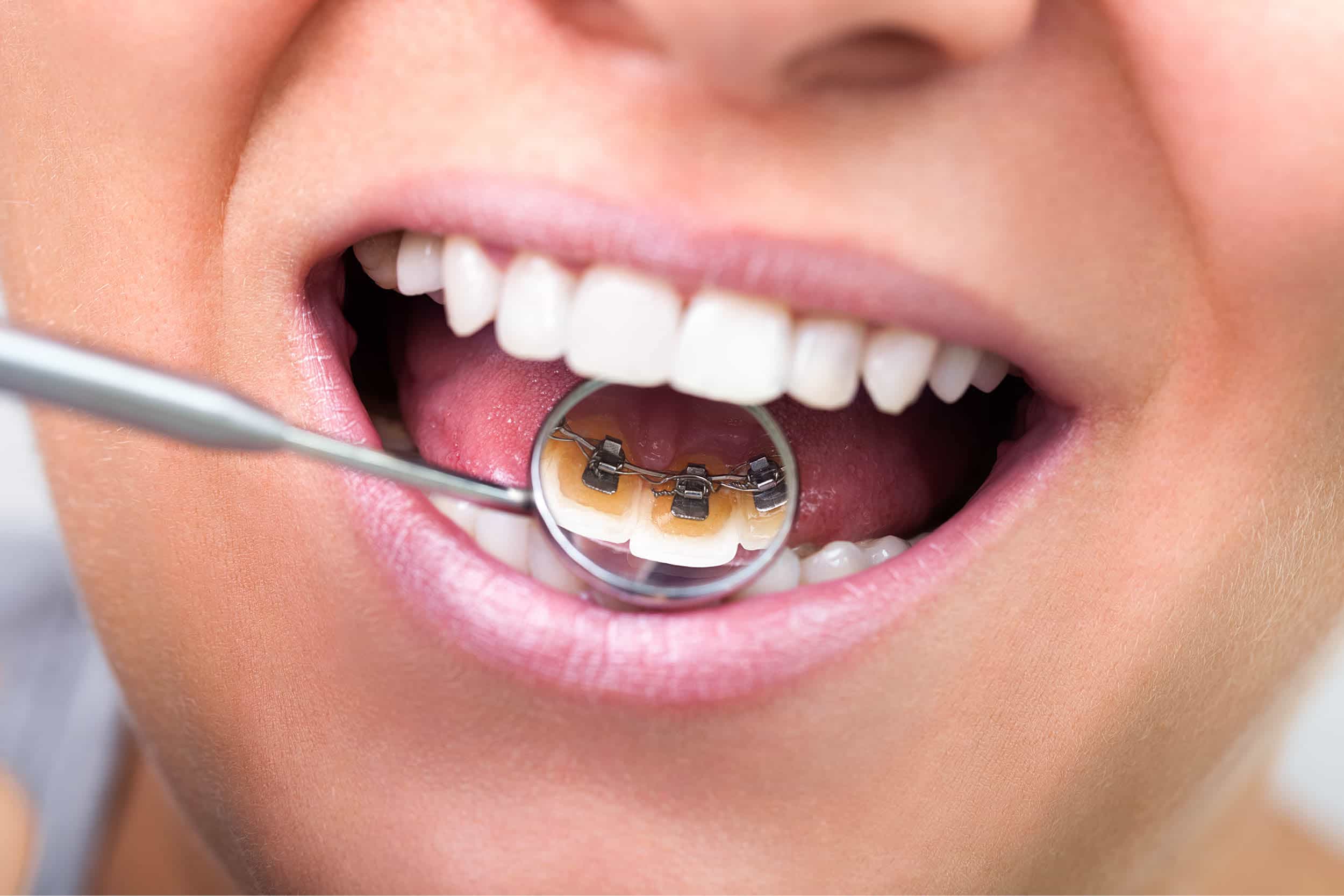
The landscape of orthodontic treatment has shifted dramatically from the era of bulky, one-size-fits-all hardware. In the realm of concealed correction, the anatomy of the tooth's interior surface presents a unique challenge. Unlike the relatively smooth front face of a tooth, the lingual side—the side facing the tongue—features complex ridges, valleys, and varying thicknesses that are unique to every individual. Historically, this irregularity made placing appliances difficult and often resulted in uncomfortable, protruding devices. However, modern advancements have ushered in an era of absolute customization, where technology meets biology to create a seamless fit.
Today, the process begins not with uncomfortable physical molds, but with high-resolution digital scanning. Intraoral scanners map the microscopic topography of the teeth, creating a digital twin of the patient's mouth. This data is the foundation for manufacturing brackets that are fully bespoke. Through 3D printing and computer-aided design, each bracket is contoured to nestle perfectly against the specific curvature of the tooth it is bonded to. This "custom base" approach significantly reduces the profile of the appliance. By hugging the tooth surface so closely, the hardware becomes less obtrusive, minimizing the physical footprint inside the mouth. This reduction in size is not merely for comfort; it ensures that the appliance is bonded with superior strength, reducing the likelihood of emergency visits due to detached brackets. The result is a high-tech solution that feels less like a medical device and more like a natural extension of the dental anatomy.
Digital Mapping and Strategic Placement
Once the unique topography of the mouth is digitized, the treatment enters a phase of virtual planning that is as much art as it is science. Orthodontists utilize sophisticated software to simulate the entire trajectory of tooth movement before a single bracket is placed. This digital roadmap allows for the visualization of the final result, ensuring that the alignment goals are biologically feasible and aesthetically pleasing. The precision of this digital setup is crucial because working behind the teeth limits the practitioner's direct line of sight compared to traditional front-facing braces.
To bridge the gap between virtual planning and physical reality, a transfer tray system is employed. Unlike traditional methods where brackets are glued one by one by hand—a process prone to minor human errors—the customized brackets are pre-positioned in a laboratory setting on the digital model. They are then embedded into a custom tray. When this tray is placed in the patient's mouth, all brackets are bonded simultaneously in their exact, pre-calculated positions. This indirect bonding method ensures that the complex biomechanics planned on the computer are transferred with micron-level accuracy to the patient. It eliminates guesswork and streamlines the appointment, making the initial fitting process faster and far more comfortable. This level of accuracy is paramount, as even a fraction of a millimeter in bracket placement can significantly alter the force vector applied to the tooth, influencing the speed and success of the alignment.
| Feature Comparison | Traditional Front Braces | Modern Lingual Systems |
|---|---|---|
| Visibility | Highly visible; affects facial aesthetics during treatment. | Completely hidden; positioned behind the teeth. |
| Customization | Often uses standardized bracket shapes and sizes. | Customized to the unique shape of each tooth's back surface. |
| Profile & Bulk | Standard thickness; protrudes against the lips. | Ultra-low profile; designed to minimize tongue interference. |
| Surface Impact | Risk of decalcification (white spots) visible on the front. | Any potential surface marks are hidden on the back of the teeth. |
Navigating Comfort and Lifestyle
Redefining Oral Ergonomics
One of the primary concerns for prospective patients revolves around the interaction between the appliance and the tongue. The tongue is a highly sensitive muscle, accustomed to having free rein within the dental arch. Introducing hardware into this "private workspace" requires a design philosophy centered on ergonomics. Modern lingual appliances address this by prioritizing smooth contours and miniaturization. The manufacturing process often involves polishing the metal to a high luster, removing any sharp edges or rough surfaces that could cause irritation or soreness.
The vertical height of the brackets has also been drastically reduced. By keeping the appliance as flush to the tooth surface as possible, the impact on the tongue's resting position is minimized. This is critical for maintaining long-term comfort. In the early days of this technology, the sheer bulk of the brackets could leave the tongue feeling cramped, but current designs respect the biological boundaries of the oral cavity. Furthermore, some systems utilize specific gold alloys or nickel-free materials, which are not only biocompatible but also tend to be smoother against soft tissue. This ergonomic focus ensures that while the teeth are being moved by significant forces, the subjective experience of the patient remains manageable. The sensation of a foreign object diminishes rapidly as the smooth hardware integrates into the tactile map of the mouth.
Adaptation and Daily Function
Living with concealed orthodontics offers a distinct psychological advantage: the ability to undergo medical transformation without social interruption. For adults in professional settings, public speakers, or anyone conscious of their appearance, the "invisibility" factor removes the stigma often associated with adult braces. There is no need to hide a smile in photographs or feel self-conscious during presentations. However, this aesthetic freedom comes with a brief period of functional adaptation, particularly regarding eating and oral hygiene.
Because the appliances are hidden, food particles can be trapped without being immediately obvious in a mirror. This necessitates a proactive approach to hygiene, often involving the use of water flossers or interdental brushes to navigate the unseen spaces. Patients quickly develop a tactile sense for cleaning, learning to feel rather than see where attention is needed. In terms of diet, the initial phase may require softer foods as the bite adjusts. Since the brackets are on the back, the upper teeth may occasionally make contact with the lower brackets when biting down. To prevent this, temporary "bite turbos" or stoppers are sometimes used to slightly prop the jaw open, protecting the hardware. While this changes the chewing sensation temporarily, the brain is remarkably plastic. Within a short span, the chewing pattern is reprogrammed, and normal dining habits resume. The trade-off—a few weeks of adjustment for months of invisible treatment—is a balance that most patients find overwhelmingly positive.
The Science of Sound and Motion
Overcoming Phonetic Challenges
Speech is a complex motor task involving the precise coordination of airflow and tongue placement. Sounds like "s," "th," and "t" are created when the tongue tip contacts or approaches the back of the upper front teeth. When brackets are introduced to this specific zone, the airflow is momentarily disrupted, and the tongue's landing pad changes. This can result in a slight lisp or a "slushy" quality to speech immediately following the bonding appointment. It is a physical phenomenon caused by the tongue needing to navigate a new landscape.
However, the human body possesses an incredible capacity for adaptation. This speech alteration is almost exclusively temporary. Research and patient anecdotes suggest that the majority of adaptation occurs within the first two to four weeks. During this time, the brain actively recalibrates the muscle movements of the tongue to find new pathways for creating crisp sounds, effectively compensating for the presence of the braces. To expedite this process, active practice is encouraged. Reading aloud, enunciating clearly, and repetitive pronunciation of difficult words act as physiotherapy for the tongue. The smoother, lower-profile design of modern brackets also plays a significant role here; by occupying less volume, they leave more room for the tongue to articulate naturally. While the initial change in speech can be surprising, it is a transient hurdle on the path to a better smile.
| Adaptation Phase | Typical Experience | Recommended Strategy |
|---|---|---|
| First 72 Hours | Tongue soreness and mild speech alteration (lisping). | Use orthodontic wax on rough spots; eat soft foods; talk slowly. |
| Week 1-2 | Tongue begins to learn new positions; soreness decreases. | Read aloud for 15 minutes daily to retrain pronunciation. |
| Month 1 Onward | Speech returns to normal; appliance feels like part of the mouth. | Resume normal conversation; maintain rigorous hygiene routine. |
Unique Forces at Play
The biomechanics of moving teeth from the lingual side are fundamentally different from traditional labial (front) mechanics. This is not simply a matter of putting the same braces on the other side; it is a complete reversal of the force systems. Every tooth has a "center of resistance," essentially its center of gravity within the bone. Because the distance from the lingual surface to this center of resistance is shorter than from the front, the leverage and torque applied must be calculated differently. This proximity can actually be advantageous for certain types of movements, such as retraction (pulling teeth back) and deep bite correction, often making lingual orthodontics highly efficient for these specific issues.
The wires used in these systems are also distinctive. Unlike the smooth arch of a front-facing wire, a lingual wire often resembles a mushroom shape, with specific bends to accommodate the drastic difference in thickness between canine teeth and incisors. Shaping these wires requires robotic precision or immense manual skill. The interplay between the bracket slot and the wire is where the magic happens. High-tech wires with shape memory properties exert light, continuous pressure, gently guiding teeth into position. This reduces the heavy, painful forces of the past. The challenge for the orthodontist is to manage the "bowing effect"—where the wire might try to curve inwards—by applying counter-forces. It is a delicate balancing act of physics, hidden entirely behind the teeth, ensuring that the visible result is nothing short of a perfectly straight smile.
Q&A
-
What are the benefits of Lingual Bracket Ergonomics in orthodontic treatment?
Lingual Bracket Ergonomics enhance patient comfort by designing brackets that fit the unique contours of each patient's teeth. This ergonomic design minimizes irritation to the tongue and oral tissues, leading to improved compliance and satisfaction during orthodontic treatment.
-
How does Tongue Space Management affect orthodontic outcomes?
Effective Tongue Space Management ensures that sufficient room is maintained for the tongue, which is crucial for comfort and proper speech. This management helps prevent issues such as speech impediments or discomfort that can arise from inadequate space, thus improving overall treatment adherence and outcomes.
-
What advantages do Customized Lingual Systems offer over traditional braces?
Customized Lingual Systems are tailored to the individual patient's dental anatomy, resulting in more efficient tooth movement and shorter treatment times. This personalization also enhances patient comfort and satisfaction, as the appliances are less intrusive and more aesthetically pleasing compared to traditional braces.
-
Why is Indirect Bonding Accuracy important in lingual orthodontics?
Indirect Bonding Accuracy is crucial as it ensures that brackets are precisely placed on the teeth according to the treatment plan. This precision is vital for achieving optimal alignment and function, reducing the need for adjustments and improving the overall effectiveness of the treatment.
-
What are some effective Speech Adaptation Strategies for patients using hidden appliances?
Speech Adaptation Strategies may include exercises to improve articulation and phonation, such as practicing difficult sounds and speaking slowly. Patients might also benefit from reading aloud regularly to acclimate to the appliance, thereby minimizing speech disturbances and enhancing communication during treatment.