
The Role of Tooth Preparation in Natural-Looking Veneers
Achieving the ideal balance in dental aesthetics requires a keen understanding of various preparation techniques that ensure both durability and visual appeal. Modern advancements have refined these methods, focusing on meticulous detail to create seamless transformations and harmonious contours, reflecting the patient's natural beauty while optimizing the overall fit and function.
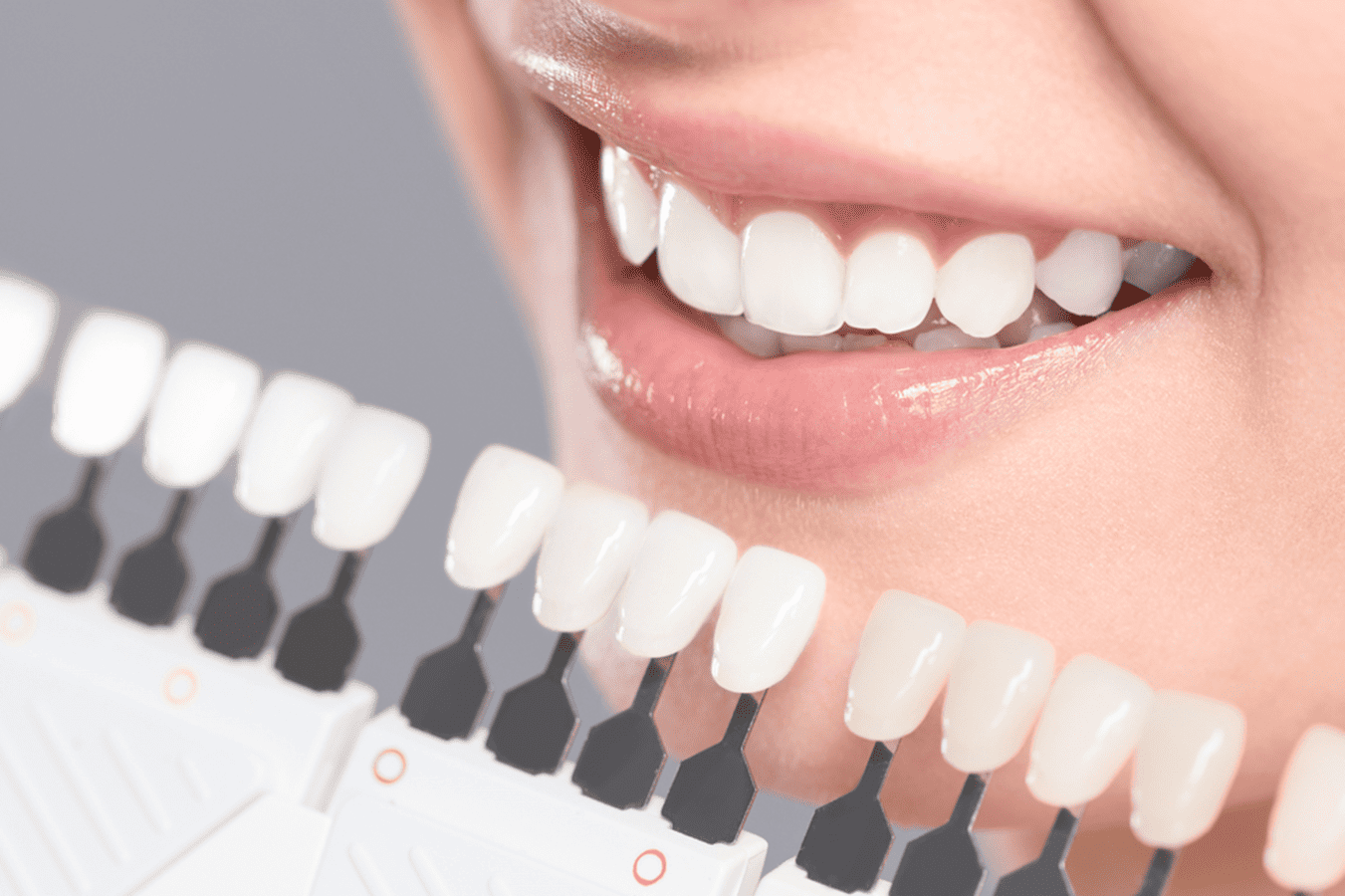
Precision in Foundation and Structure
The Delicate Balance of Material Preservation
Veneer preparation is far more than simply creating space for a ceramic shell; it is an exercise in micromanagement where every micron counts. The most critical aspect of this process is the preservation of the underlying structure. Enamel offers a significantly superior bonding substrate compared to dentin, providing a predictable and robust adhesive interface. Consequently, the gold standard in modern aesthetic dentistry involves retaining as much enamel as possible. However, clinical reality often presents a conflict: while minimal reduction is ideal for biology, specific aesthetic goals—such as masking deep discoloration or correcting alignment—may require greater thickness in the restorative material.
This creates a scenario where the clinician must navigate the tension between "offense" (achieving the aesthetic change) and "defense" (preserving biological integrity). If the preparation is too conservative, the final restoration may appear bulky or fail to hide the underlying tooth color. Conversely, over-reduction risks compromising bond strength and reducing the tooth's longevity. This is why the concept of "0.3-millimeter artistry" has gained prominence. Rather than the aggressive reductions of the past, contemporary techniques often involve removing only a contact-lens-thin layer of structure, ranging from 0.3 to 0.5 millimeters.
Planning this reduction requires a reverse-engineering approach. Instead of relying solely on intuition, the preparation depth is dictated by the final desired volume and shade. By simulating the outcome on a model first, clinicians can determine exactly where structure needs to be removed and where it can be spared. This strategic planning ensures that the structural integrity of the tooth is maintained, minimizing post-operative sensitivity and maximizing the lifespan of the restoration. The result is a treatment that respects the biology of the tooth while delivering the necessary canvas for the ceramist to work their magic.
| Aesthetic Goal | Preparation Strategy | Primary Benefit |
|---|---|---|
| Color Correction | Requires slightly more depth to allow for opaquing layers within the ceramic. | Effectively masks dark underlying substrates without looking opaque or lifeless. |
| Shape Modification | Minimal to zero reduction (additive approach) is often possible. | Preserves maximum enamel and structural integrity; highly reversible. |
| Alignment Correction | Variable reduction; some areas may need more contouring while others are left untouched. | Creates the illusion of straightness without aggressive orthodontics. |
The Intersection of Digital Workflow and Design
Optimizing Geometry for Digital Impressions
The transition from analog impression materials to digital intraoral scanning has fundamentally shifted how teeth are prepared. In the past, the physical properties of impression material dictated the requirements for a good mold. Today, the focus has shifted to how well an optical scanner can read the geometry of the tooth. A key area of evolution is the management of the biting edges. Research and clinical observation suggest that preparation designs must now be optimized to reduce "digital noise" and ensure data fidelity.
Sharp, jagged, or undefined edges can be difficult for a scanner to capture accurately, leading to artifacts in the digital model. If the digital data is flawed, the resulting veneer may suffer from poor fit or weak spots. Therefore, the modern approach emphasizes creating smooth, flowing lines and rounded internal line angles. A well-defined, continuous finish line is essential not only for the aesthetic transition but also for the software to correctly identify where the restoration should end.
Furthermore, the smoothness of the preparation surface directly correlates with the accuracy of the scan. A jagged surface scatters light, whereas a refined, polished surface allows the scanner to capture the topography with high precision. This attention to surface texture ensures that the fit of the final ceramic is virtually perfect. When the data is clean, the milling or printing process is more precise, resulting in a restoration that requires minimal adjustment and integrates flawlessly with the natural tooth structure.
Navigating the Interdental Spaces
One of the most technically demanding aspects of veneer preparation is managing the area between the teeth. This zone is critical for allowing the restoration to wrap naturally around the tooth, but it presents significant challenges for digital acquisition. The primary issue is the "line of sight" for the scanner. If the preparation does not extend adequately or if the space is too tight, the scanner’s light cannot reach the deepest parts of the margin, resulting in missing data or interpolation errors.
To address this, clinicians are moving toward preparation designs that deliberately create adequate clearance for the scanner to "see." This does not necessarily mean removing more tooth structure indiscriminately, but rather sculpting the interproximal area to ensure there are no shadows or blind spots. When the scanner can capture the entire margin clearly, the laboratory can design a veneer that fits with a "suction-like" quality.
Proper management of this area is also vital for the emergence profile—the way the tooth looks as it comes out of the gum. If the interdental preparation is insufficient, the laboratory technician may be forced to over-contour the ceramic to close gaps, leading to a bulky appearance and potential hygiene issues. By carefully designing these lateral extensions, the clinician ensures that the final veneer has a natural, gradual emergence that supports the gum tissue and mimics the profile of a natural tooth.
| Preparation Feature | Impact on Digital Workflow | Clinical Outcome |
|---|---|---|
| Smooth Line Angles | Reduces data noise and scanning artifacts. | precise fit with no rocking or interference. |
| Defined Margins | Allows software to auto-detect boundaries accurately. | Seamless transition between tooth and ceramic; improved hygiene. |
| Adequate Clearance | Ensures scanner light reaches deep interproximal areas. | Elimination of "guesswork" by the lab; superior marginal integrity. |
Harmonizing Symmetry and Visual Contours
Orchestrating Facial Balance and Soft Aesthetics
Beyond the mechanics of cutting and scanning lies the artistic core of veneer therapy: the creation of symmetry and balance. A beautiful smile is not defined by individual teeth in isolation but by how they relate to one another and the overall facial features. Modern aesthetic standards have moved away from the "perfectly perfect" Hollywood white look toward a more organic, natural appearance. This shift places a heavy emphasis on preparation designs that allow for soft, anatomical contours rather than rigid, blocky shapes.
Symmetry is crucial, but it must be calibrated to the patient’s face. The preparation process involves micro-adjustments to align the gum levels and the biting edges, creating a stable framework for the final ceramics. By controlling the reduction, the clinician can correct minor asymmetries in the underlying tooth position. However, the goal is rarely perfect mirror-image symmetry, which can look artificial. Instead, the aim is "dynamic balance," where the left and right sides complement each other and the face's midline, reducing visual tension and creating a sense of harmony.
The "contour" or three-dimensional profile of the final veneer is heavily influenced by how the tooth is prepped. If the underlying tooth is not reduced enough in the facial plane, the veneer will look bulky and protrude unnaturally. Conversely, proper reduction allows the ceramist to layer the porcelain to create depth, translucency, and texture. The current trend favors softer, rounded line angles over sharp, square corners. This softness imparts a youthful, gentle quality to the smile. By meticulously managing the thickness and curvature of the preparation, the dentist enables the creation of a restoration that reflects light like natural enamel, making the veneer indistinguishable from a pristine natural tooth.
Q&A
-
What is Enamel Reduction Mapping and why is it important in dental procedures?
Enamel Reduction Mapping is a technique used to visually plan and execute the precise removal of enamel in dental procedures. It ensures that enamel is removed evenly and only as much as necessary, preserving the tooth's integrity while preparing it for restorations like veneers or crowns. This technique is crucial for maintaining the tooth's strength and reducing the risk of sensitivity or damage.
-
How does Depth Cut Guidance improve the accuracy of tooth preparation?
Depth Cut Guidance involves using specific tools and markers to achieve consistent and accurate depth cuts during tooth preparation. By providing visual and tactile feedback, it helps dentists maintain uniformity and precision, preventing over-preparation or under-preparation, which can compromise the fit and durability of dental restorations.
-
What considerations are involved in Finish Line Design during dental restoration?
Finish Line Design refers to the shape and location of the boundary between the prepared and unprepared tooth surfaces. It is critical for ensuring a proper fit and seal of the restoration. Considerations include the type of restoration, material being used, and the tooth's anatomy. A well-designed finish line minimizes the risk of restoration failure and improves the longevity of the dental work.
-
Why is Incisal Edge Management significant in aesthetic dentistry?
Incisal Edge Management involves shaping and aligning the edges of anterior teeth to enhance aesthetics and function. Proper management is essential for creating a natural appearance and ensuring that the teeth function correctly during biting and speaking. It also plays a role in maintaining the structural integrity of the tooth and preventing chipping or wear.
-
How does Interproximal Extension Control contribute to the success of dental restorations?
Interproximal Extension Control ensures that the preparation extends appropriately into the spaces between teeth. This control is vital for achieving a seamless fit and avoiding gaps that can lead to plaque accumulation and decay. Proper interproximal extension also ensures that the restoration aligns well with adjacent teeth, contributing to overall oral health and function.
-
What role does Preparation Symmetry Accuracy play in restorative dentistry?
Preparation Symmetry Accuracy ensures that both sides of a prepared tooth are symmetrical, which is crucial for the restoration's fit, function, and aesthetics. Symmetrical preparations help in distributing forces evenly across the restoration, reducing the risk of fracture or failure. Additionally, symmetry is vital for achieving a natural look, especially in visible areas like the front teeth.