
The Orthodontic Odyssey: Managing Risks and Enhancing Outcomes
Orthodontic treatments, though transformative, present a myriad of potential challenges that require careful attention to ensure successful outcomes. Achieving the delicate harmony between dental health and corrective appliances demands vigilance against various setbacks. Understanding these complexities paves the way for a healthier, more confident smile and ensures the longevity of orthodontic success.
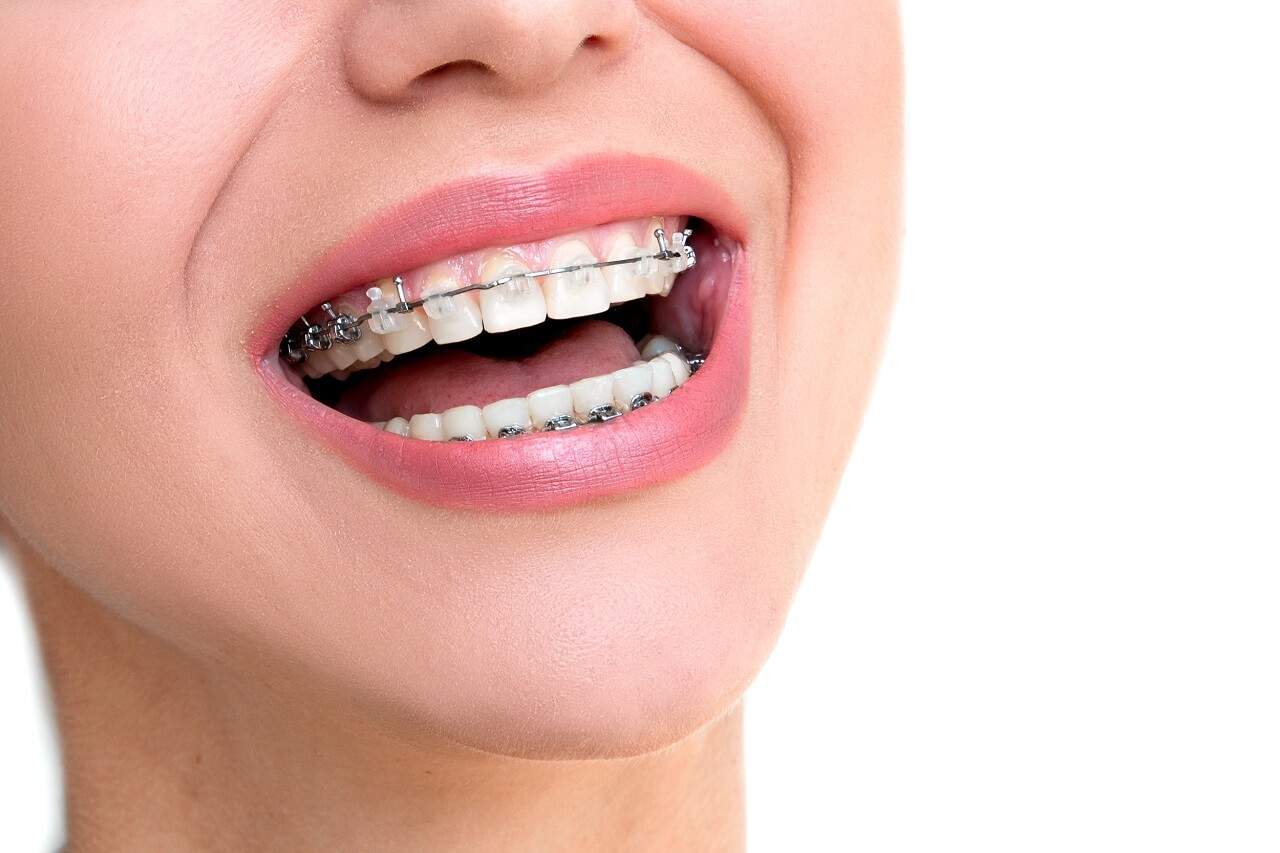
Preserving the Biological Foundation
Monitoring Sub-Surface Structural Changes
When force is applied to move teeth, the biological response occurs deep within the bone and surrounding tissues. While the visible alignment of the crown is the most obvious sign of progress, invisible changes are happening to the tooth's anchor. One of the more complex biological reactions involves the shortening of the tooth root structure. This phenomenon is a natural byproduct of the cellular activity required to move teeth through bone, but in some instances, the body’s response can be more aggressive than anticipated.
The process involves specialized cells that break down bone to allow movement, which can inadvertently affect the root surface. While minor changes are generally clinically insignificant and do not impact the long-term viability of the tooth, severe reduction in root length can compromise stability. Factors contributing to this include the duration of treatment, the amount of force applied, and individual genetic predisposition. It is crucial to maintain a balance between efficient movement and biological tolerance.
Regular monitoring through radiographic imaging helps practitioners keep an eye on these sub-surface developments. If significant changes are detected, the treatment plan may need to be paused or altered to allow the tissues to rest and repair. Patients play a role by adhering to appointment schedules, as prolonged intervals between adjustments or uncontrolled heavy forces can exacerbate the issue. Understanding that orthodontics is a biological process, not just a mechanical one, is key to navigating this hidden aspect of treatment.
Maintaining Periodontal Health
The relationship between corrective appliances and gum tissue is intricate. Brackets and wires create a physical landscape that is notoriously difficult to clean, often leading to a buildup of plaque and bacteria along the gumline. When hygiene is compromised, the gums react with swelling, redness, and bleeding. This inflammatory response is not merely a superficial issue; if left unchecked, it can slow down tooth movement and make the tissues more resistant to remodeling.
Hypertrophy, or the overgrowth of gum tissue, can occur when inflammation becomes chronic. This overgrowth can cover parts of the bracket, making hygiene even more difficult and creating a cycle of irritation. The presence of inflammation also alters the chemical environment of the mouth, potentially affecting the bone support around the teeth. Controlling this reaction requires more than just casual brushing; it demands a rigorous and specialized hygiene routine.
Patients must utilize specific tools designed to navigate the complex architecture of braces. Interdental brushes, water flossers, and threaders become essential daily companions. Furthermore, the type of diet plays a significant role; sugary and sticky foods fuel the bacterial growth that triggers inflammation. By keeping the periodontal tissues firm and pink, patients ensure that the foundation supporting their moving teeth remains robust throughout the journey.
| Hygiene Method | Efficacy for Brace Wearers | User Experience & Considerations |
|---|---|---|
| Manual Orthodontic Brushing | Moderate. Requires specific angulation (45 degrees) to reach under wires. | Can be time-consuming; requires high manual dexterity to be effective. |
| Sonic/Electric Toothbrush | High. Vibrations help dislodge food particles from brackets. | Generally more efficient; built-in timers ensure adequate cleaning duration. |
| Water Flossing Devices | High. Excellent for flushing out debris and massaging gums. | messy at first; acts as a supplement to brushing, not a total replacement. |
| Interdental Brushes | Very High. target the specific gaps between the wire and teeth. | Essential for detail work; requires carrying multiple sizes for different gaps. |
Safeguarding Surface Integrity and Comfort
Defending Against Demineralization
One of the most persistent aesthetic concerns following the removal of braces is the appearance of chalky, white marks on the teeth. These marks represent early-stage decay where the minerals have been stripped from the enamel surface. This demineralization occurs when acidic byproducts from plaque bacteria sit undisturbed around the base of the bracket for extended periods. Unlike a stain that sits on top of the tooth, these lesions are structural changes to the enamel itself.
The area surrounding the bracket base is a haven for plaque accumulation. If this plaque is not removed, the acid it produces begins to dissolve the calcium and phosphate in the enamel, leaving behind a porous, white scar. Once the braces are removed, these marks become permanent reminders of poor hygiene during treatment. Prevention is the only true cure, as reversing these lesions is difficult and often requires cosmetic intervention later.
Using fluoride-enhanced products helps to remineralize the enamel and create a buffer against acid attacks. Additionally, minimizing the frequency of acid exposure—such as sipping on sodas or sports drinks—is vital. The goal is to ensure that when the hardware comes off, the smile revealed is uniform in color and free from the "frame" marks that characterize enamel scarring.
Ensuring Mechanical Stability and Soft Tissue Safety
The mechanical components of orthodontics—brackets, wires, and bands—are designed to withstand significant force, but they are not indestructible. The bond between the bracket and the tooth must be strong enough to transfer force but weak enough to be safely removed at the end of treatment. This delicate balance means that dietary choices or accidental trauma can cause the appliance to detach. When a bracket fails, the tooth is no longer engaging with the wire, effectively pausing progress for that specific area and potentially extending total treatment time.
Simultaneously, the introduction of metal or ceramic hardware into the mouth alters the environment for the cheeks, lips, and tongue. Soft tissues must adapt to the presence of these foreign objects. Initial friction often leads to sore spots or ulcerations until the lining of the mouth toughens. Furthermore, as teeth move, the bite relationship changes, sometimes causing teeth to clash with brackets on opposing arches. This requires careful management to prevent damage to the enamel or the appliance itself.
Managing these mechanical and comfort issues involves a partnership. Patients must avoid hard, crunchy, or sticky foods that exert shearing forces on the bonds. For soft tissue relief, barrier methods like orthodontic wax provide a smooth surface to shield irritated areas. Recognizing that the hardware is a temporary tool helps in tolerating the transient discomforts that come with mechanical adjustments.
| Common Adjustment-Related Issue | Immediate Clinical Impact | Appropriate Patient Response |
|---|---|---|
| Floating Bracket (detached from tooth) | Tooth stops moving; wire may slide and poke cheek. | Secure with wax if irritating; do not attempt to glue back. Contact clinic. |
| Protruding Wire (poking back of mouth) | Sharp pain, potential mucosal injury or ulceration. | Use a pencil eraser to gently push it flat or cover with wax. Seek professional trimming. |
| Cheek/Lip Sores (from friction) | Discomfort while talking or eating; localized inflammation. | Apply topical anesthetic gel; use wax barrier consistently until tissue adapts. |
| Bite Sensitivity (teeth hitting brackets) | risk of breaking bracket; difficulty chewing; jaw fatigue. | Stick to a soft diet; consult orthodontist for "bite turbos" or stops to prevent contact. |
Q&A
-
What factors contribute to the risk of root resorption during orthodontic treatment?
Root resorption risk is influenced by several factors, including genetic predisposition, the duration and intensity of orthodontic forces, and the type of tooth movement. Excessive or prolonged force can increase the likelihood of root resorption, as can specific movements such as intrusion and torque. Monitoring and adjusting treatment plans based on individual patient response can help mitigate these risks.
-
How can white spot lesions be prevented during orthodontic treatment?
Prevention of white spot lesions involves maintaining excellent oral hygiene, using fluoride-containing products, and possibly incorporating remineralizing agents like casein phosphopeptide-amorphous calcium phosphate (CPP-ACP). Regular dental check-ups and professional cleanings are also essential to monitor and manage plaque accumulation around brackets and wires.
-
What are effective strategies for controlling gingival inflammation in orthodontic patients?
Effective gingival inflammation control includes thorough brushing and flossing, using interdental brushes or water flossers to reach areas around brackets, and using antimicrobial mouth rinses. Patient education on the importance of oral hygiene and regular professional cleanings can also significantly reduce gingival inflammation during orthodontic treatment.
-
What factors can lead to bracket failure, and how can it be analyzed?
Bracket failure can occur due to improper bonding, excessive force application, or patient habits like biting hard objects. Analyzing bracket failure involves examining the bond strength, the adhesive used, and the patient’s compliance with dietary restrictions. Understanding the cause can help in selecting appropriate materials and techniques to minimize future failures.
-
How is occlusal interference managed during orthodontic treatment to prevent complications?
Managing occlusal interference involves careful planning and adjustment of the orthodontic appliances. Regular assessment of the occlusion throughout treatment allows for timely identification and correction of any interferences. Techniques such as selective grinding or the use of bite blocks can be employed to manage and alleviate occlusal interferences, ensuring a smooth treatment process.