
Optimizing Sliding Mechanics: A Journey Through Friction and Efficiency
In the intricate realm of dental adjustment, minimizing unnecessary drag is pivotal for effective results. The seamless synergy between metallic flow and anatomical alignment requires both innovation and precision, offering a glimpse into the sophisticated methodologies that pave the way for advancements in this specialized field.
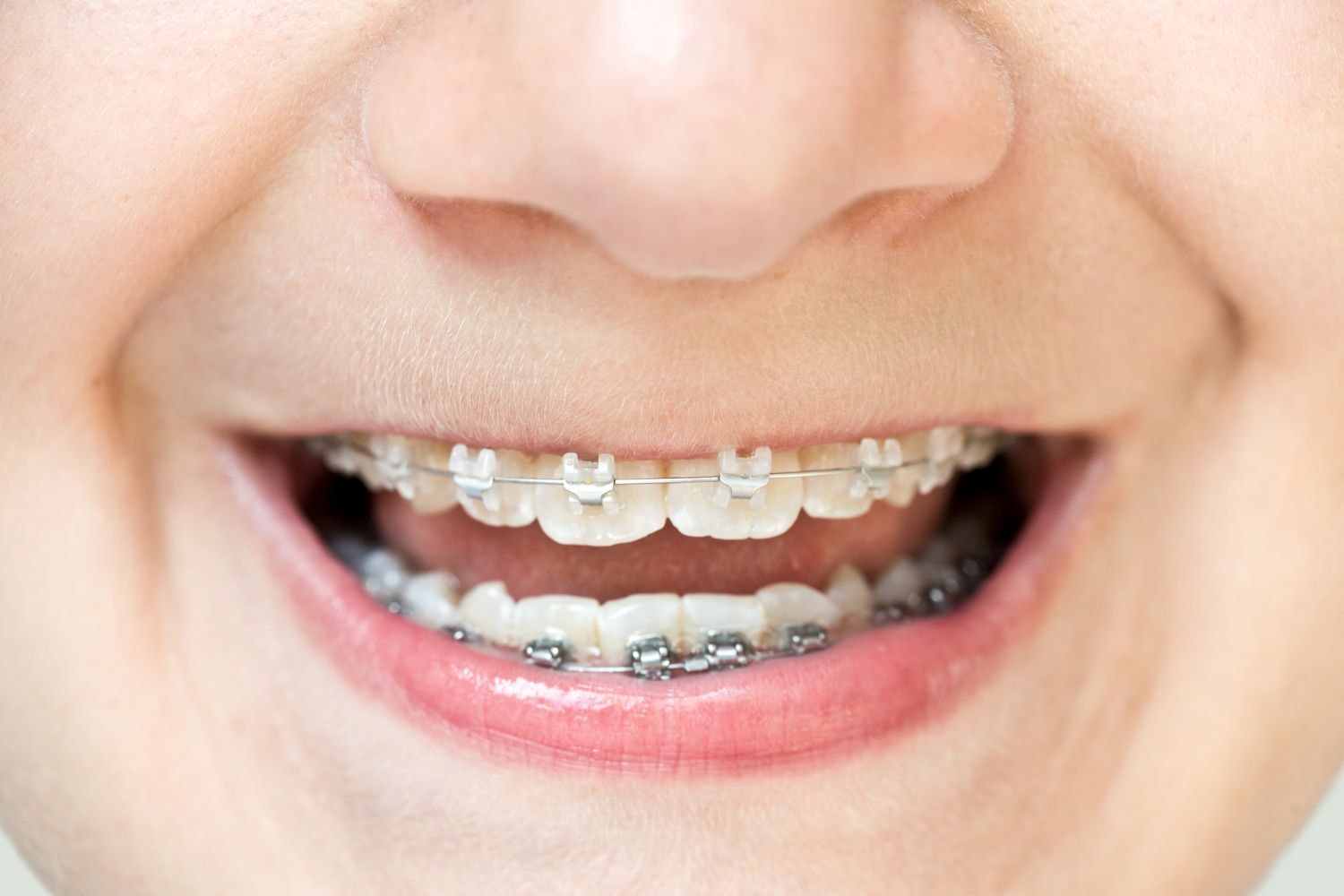
Understanding Resistance in Dental Movement
The Invisible Brake on Tooth Alignment
When we visualize orthodontic treatment, we often imagine teeth gliding effortlessly along a predetermined path, much like a train on a track. However, the reality within the oral cavity is a complex battlefield of microscopic forces. The most significant of these opposing forces occurs at the interface where the archwire meets the bracket. While often discussed in complex biomechanical terms, the concept is fundamentally simple: as the appliance attempts to slide along the wire, a braking force—physically defined as friction—opposes the motion.
This resistance acts as a counter-force to the therapeutic pressure applied by the orthodontist. If the frictional "brake" is too potent, even carefully calculated forces may fail to produce the desired tooth movement. Whenever two materials, whether metal, ceramic, or polymer, slide against one another, resistance is an inevitability of physics. Understanding and managing this resistance is not merely a technical detail; it is a decisive factor in patient comfort and treatment velocity. When friction is excessively high, the biological response of the periodontal ligament can be stifled, leading to stagnation. Conversely, when this resistance is expertly managed, teeth can be guided to their ideal positions with lighter, more biologically compatible forces, reducing stress on the roots and surrounding bone structure.
Navigating the Microscopic Landscape
The efficiency of sliding mechanics is heavily dictated by what happens at a level invisible to the naked eye. To the patient, a stainless steel wire or a ceramic bracket appears perfectly smooth and polished. However, if we were to view these surfaces under high-magnification microscopy, we would see a rugged landscape of peaks, valleys, and craters. This surface topography plays a massive role in how much drag is generated during movement. A rough surface acts much like a gravel road; pulling a heavy object across it requires significantly more energy than pulling the same object across ice.
In the pursuit of smoother movement, modern manufacturing has turned toward advanced surface treatments. Techniques such as ion implantation and diamond-paste polishing are employed to reduce this surface roughness to the nanometer scale. By leveling the microscopic peaks, the physical interlocking between the wire and the bracket slot is minimized. This reduction in physical drag allows for the application of gentler forces to achieve the same amount of movement. For the patient, this translates to a less painful experience, as the heavy forces typically required to overcome surface roughness are no longer necessary.
The Role of Materials and Biological Environment
Debunking the Saliva Myth
A common misconception in the mechanics of orthodontics is the belief that saliva acts as a perfect, natural lubricant, ensuring that appliances always slide smoothly. While intuition suggests that "wet" equals "slippery," the physics of the oral environment is far more nuanced. Saliva is a complex fluid with varying viscosity and protein content. In certain scenarios, particularly when surfaces are very smooth and flat, saliva can induce adhesion rather than lubrication. This creates a capillary effect, similar to how two wet panes of glass stick together, actually increasing the resistance to sliding.
Furthermore, the mouth is a hostile environment for maintaining pristine surfaces. The concept of "three-body friction" often comes into play here. It is not just the wire and the bracket interacting; plaque, calculus, and food debris can enter the microscopic gap between them. These particles act like sand in a gear system, physically obstructing movement and causing abrasion. Therefore, relying solely on the presence of saliva to facilitate movement is a flaw in strategic planning. Effective friction management requires accounting for these environmental variables, recognizing that the biological fluid can sometimes be a hindrance rather than a help.
| Oral Environment Condition | Effect on Sliding Mechanics | Physical / Tribological Mechanism |
|---|---|---|
| Ideal Lubrication | Reduces Friction | Fluid film separates contacting surfaces, allowing smooth glide. |
| Viscous Adhesion | Increases Resistance | High viscosity or low fluid quantity creates suction/capillary drag between flat surfaces. |
| Three-Body Abrasion | Obstructs Movement | Debris (plaque/food) acts as an abrasive agent, digging into surfaces and stopping motion. |
| Corrosive Environment | Degrades Surface | Acidic pH erodes smooth coatings, increasing roughness over time. |
Balancing Aesthetic Appeal with Functional Slide
Material compatibility is another cornerstone of efficient treatment. Historically, there has been a significant trade-off between cosmetics and mechanics. Stainless steel brackets paired with stainless steel wires offer the lowest coefficient of friction, providing the most efficient sliding mechanics. However, the demand for invisible treatment led to the rise of ceramic and plastic brackets. While aesthetically pleasing, these materials are often harder and rougher than metal, leading to higher drag.
To bridge this gap, material scientists have developed hybrid solutions. For instance, many modern high-end ceramic brackets feature a metal-lined slot. This design provides the patient with the discreet appearance of a clear bracket while offering the orthodontist the mechanical efficiency of a metal-on-metal interface. Additionally, the stiffness of the material matters. A material that is too soft may deform under pressure, "grabbing" the wire, while a material that is too hard may cause notching on the wire surface. Finding the correct pairing of archwire alloy and bracket composition is essential to ensure that the desire for invisibility does not compromise the speed and success of the alignment process.
Geometrical Challenges: When Angles Create Barriers
The Phenomenon of Contact Angle Resistance
Beyond the materials themselves, the geometry of how the wire sits within the bracket slot is a critical source of resistance. This phenomenon is known as "binding." Unlike classical friction, which is caused by surface roughness, binding is caused by the angle of contact. When a tooth is tilted or rotated, the bracket is not aligned perfectly with the straight wire. As the wire passes through, it hits the corners of the bracket slot, creating a distinct stopping force.
Imagine trying to push a long pole through a narrow hallway; if the pole is perfectly straight, it slides easily. If you turn it diagonally, it jams against the walls. This is exactly what happens during binding. In the initial stages of treatment, when teeth are significantly misaligned, binding is the primary obstacle to movement. It creates a temporary "lock" that prevents the tooth from sliding along the archwire. Overcoming this requires not just force, but a strategic selection of wire dimensions. Using a smaller, rounder wire initially allows for more "play" or clearance within the slot, mitigating the binding effect until the tooth levels out.
Preventing Permanent Stalls in Treatment
If binding is left unchecked and excessive force is applied to force movement, the situation can escalate to "notching." Notching is a permanent physical deformation of the archwire. The hard corner of the bracket digs into the wire material, creating a dent or a groove. Once the bracket settles into this notch, forward momentum is completely lost. The tooth becomes mechanically trapped, much like a vehicle wheel stuck in a deep pothole.
At this stage, adding more force is futile and potentially damaging to the tooth's root. The only solution is to remove the damaged wire and replace it, which interrupts the treatment progress. Prevention is the key strategy here. This is achieved by adhering to a rigorous sequence of wires—starting with flexible, small-diameter wires that can deflect without permanent deformation, and only moving to rigid, rectangular wires once the bracket slots are sufficiently aligned. This step-by-step approach ensures that the geometry of the system never overwhelms the structural integrity of the materials.
Maximizing Efficiency and Reducing Strain
The Equation of Applied Force
In physics and engineering, efficiency is defined by the ratio of useful output to total input. In orthodontics, this translates to how much of the force applied by the appliance actually reaches the tooth's supporting structures. Friction acts as an energy sink, absorbing a percentage of the applied force before it can do its job. If the system has high resistance, the orthodontist must apply a heavy force just to overcome the drag, leaving only the remainder to move the tooth.
High force levels are problematic for several reasons. They increase patient discomfort, risk cutting off blood supply to the periodontal ligament (leading to tissue necrosis), and can even cause root resorption (shortening of the tooth roots). By reducing the energy loss attributed to friction, clinicians can lower the total force input while maintaining the same effective force on the tooth. This "low-force, low-friction" paradigm is the gold standard of modern care. It relies on the understanding that biological movement happens best under gentle, constant pressure, not heavy, aggressive pulling.
Strategic Ligation and Clearance
The final variable in the efficiency equation is the method of ligation—how the wire is held into the bracket. Traditional methods involve tying the wire tightly with steel ligatures or elastomeric rubber bands. While secure, this creates a tight seal that presses the wire firmly against the base of the slot, significantly increasing drag. It acts like a clamp, restricting free sliding movement.
This has led to the popularity of "self-ligating" bracket systems, which use a built-in sliding door or clip to hold the wire without pressing it actively against the slot base. This passive holding mechanism creates a tube-like effect, allowing the wire to float freely with minimal friction. However, total freedom isn't always the goal. Towards the end of treatment, high friction is actually desirable to lock teeth into their final precise positions. Therefore, the management of energy loss is dynamic: maximizing slide (low friction) in the early stages to move teeth quickly, and maximizing control (higher friction) in the final stages to perfect the bite.
| Ligation Style | Frictional Characteristic | Degree of Mechanical Control | Ideal Treatment Phase |
|---|---|---|---|
| Tight Steel/Elastomeric | High Friction (Active) | High rotational control | Final detailing and finishing stages. |
| Passive Self-Ligation | Low Friction (Passive) | Lower initial control, high sliding | Initial leveling and space closure phases. |
| Loose/Slack Ligation | Moderate Friction | Moderate control | Intermediate sliding mechanics. |
Q&A
-
What is the significance of sliding mechanics optimization in orthodontic treatments?
Sliding mechanics optimization is crucial in orthodontic treatments as it enhances the efficiency of tooth movement by minimizing friction between the archwire and brackets. This optimization helps in reducing treatment time and discomfort for patients, ensuring a smoother and more predictable adjustment process.
-
How does surface roughness control affect orthodontic brackets and wires?
Surface roughness control is vital for minimizing friction and wear between orthodontic brackets and wires. By ensuring smoother surfaces, the interaction between these components is improved, leading to better sliding mechanics. This reduces the risk of binding and notching, which can impede tooth movement and prolong treatment duration.
-
What role does lubrication play in the interaction between wires and brackets?
Lubrication significantly influences the wire-bracket interaction by reducing friction and wear. Effective lubrication facilitates smoother sliding of the wire through the brackets, enhancing the efficiency of orthodontic treatments. It also helps in preventing binding and notching, thereby contributing to a more effective and comfortable patient experience.
-
How can binding and notching be prevented in orthodontic practices?
Binding and notching can be prevented through careful selection of materials with optimal surface roughness and the application of suitable lubricants. Additionally, precise bracket placement and regular adjustments can help maintain the proper alignment and tension in the wires, reducing the likelihood of these issues.
-
What strategies can be employed to reduce energy loss in orthodontic systems?
To reduce energy loss in orthodontic systems, practitioners can focus on optimizing sliding mechanics and controlling surface roughness. The use of advanced materials with low friction coefficients and the application of effective lubrication techniques are also key strategies. These measures help ensure that the forces applied are efficiently transferred, minimizing energy wastage and enhancing the overall effectiveness of the treatment.