
Navigating Infant Teeth: Comfort and Care Essentials
The journey of nurturing a radiant infant smile begins long before the first pearly white emerges. Tender care of delicate gums lays the groundwork for future dental milestones. With the right tools and practices, caregivers can establish a foundation for lifelong oral health from the start.
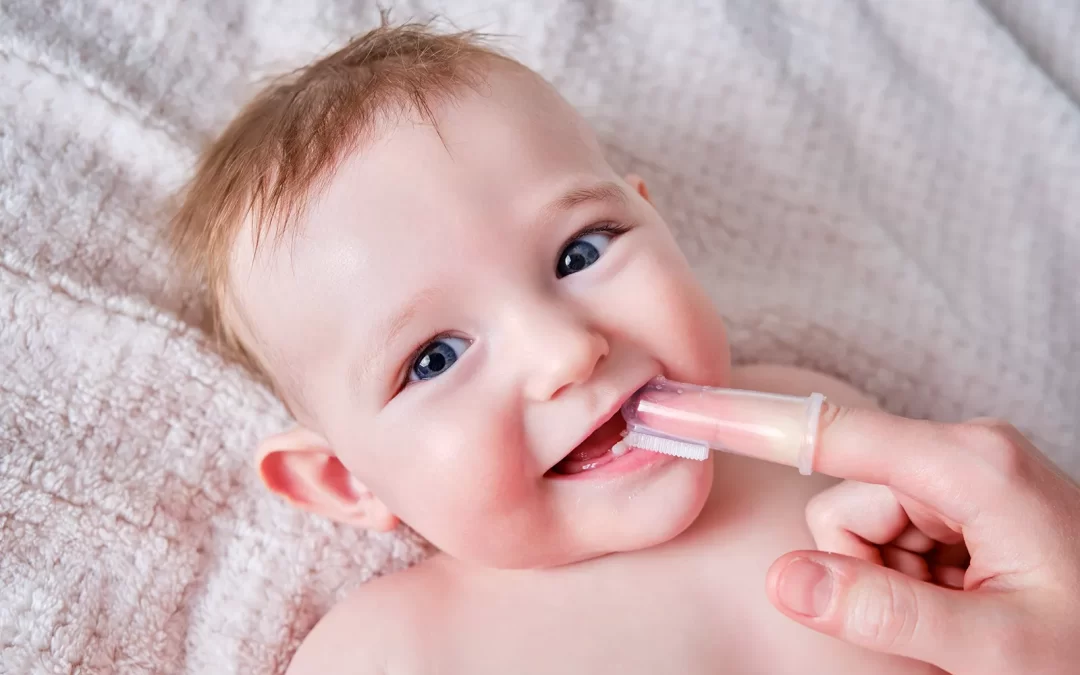
Deciphering the Signs of Early Growth
Understanding the Eruption Timeline and Signals
Watching a baby grow involves witnessing many fleeting miracles, and the arrival of the first tooth is undoubtedly a momentous occasion for any family. While pediatric guidelines often suggest that the first tooth makes its debut around the six-month mark, it is crucial to remember that this is merely a statistical average, not a deadline. Nature follows its own schedule; some infants may show signs of teething as early as three months, while others might celebrate their first birthday with a gummy smile before a single tooth appears. This wide variation is completely normal. There is rarely a need to compare one child’s development to another’s, as genetics and individual growth patterns play significant roles. Parents should feel encouraged to observe their child’s unique pace without anxiety.
The most conspicuous indicator that the process has begun is often a dramatic increase in saliva production. Parents might find themselves changing bibs frequently as the "drool deluge" begins. Accompanying this is a distinct behavioral shift where the infant seeks to gnaw on anything within reach—be it a toy, their own fingers, or a caregiver's shoulder. This chewing instinct is a physiological response to the pressure building within the gums. The friction helps counter the sensation of the tooth pushing through the gum tissue.
Furthermore, unexplained irritability or sudden disruptions in sleep patterns can be telltale signs. If a typically calm baby suddenly becomes fussy or wakes frequently at night, a peek inside the mouth might reveal the answer. Swollen, red gum tissue or a faint white ridge beneath the surface suggests a tooth is imminent. Recognizing these cues early allows caregivers to prepare soothing measures, ensuring the transition is as comfortable as possible for the little one.
The Foundation of Oral Hygiene
Starting Care Before the First Tooth Appears
A common misconception in infant care is that oral hygiene only becomes necessary once a tooth is visible. However, the path to a healthy mouth begins during the "gum-only" phase. Milk and formula contain natural sugars that can linger in the mouth, creating an environment where bacteria can thrive even before teeth erupt. Establishing a cleaning routine early on protects the gum tissue and sets a standard for cleanliness.
The process does not require complex equipment. After feeding, caregivers can wrap a piece of clean, moistened gauze or a soft, damp cloth around their finger. Gently wiping the upper and lower gums removes residual milk and keeps the oral cavity fresh. This simple act, performed once or twice a day using lukewarm water, significantly reduces bacterial accumulation. It serves as a gentle introduction to hygiene, ensuring the mouth remains a healthy environment for incoming teeth.
Beyond hygiene, this practice serves a vital developmental function: sensory desensitization. If a parent suddenly introduces a toothbrush to a toddler who has never had their mouth cleaned, the child is likely to resist the intrusion. By routinely touching and wiping the gums from infancy, the baby becomes accustomed to the sensation of having oral care performed. It normalizes the experience of having a finger or tool inside the mouth, making the eventual transition to a bristled toothbrush far smoother. Additionally, the gentle pressure applied during wiping can act as a soothing massage, offering relief from the itching sensation that often precedes teething.
Mastering Teething Toy Safety and Selection
When wandering through the aisles of a baby store, it is easy to be captivated by colorful designs and cute characters. However, when selecting items that will spend hours in a baby's mouth, structural integrity must take precedence over aesthetics. Infants exert a surprising amount of force when chewing to relieve gum pressure. Recent safety reports have highlighted incidents where toys that appeared sturdy suffered structural failures, leading to potential choking hazards.
The safest options are generally those featuring "single-mold" construction. Toys made from multiple parts glued or snapped together carry a higher risk; if the adhesive fails or a seam splits, small internal components could be released. A solid piece of silicone or wood eliminates this risk. Furthermore, vigilance is required regarding "hidden" dangers like button batteries or high-powered magnets found in some electronic or interactive toys. These items, if swallowed, cause severe internal damage. Even if a toy isn't strictly for teething, if a baby can hold it, they will likely chew it.
| Feature to Check | Safe Choice Example | High-Risk Warning Signs |
|---|---|---|
| Construction | One-piece solid silicone or wood. | Glued parts, screw-on covers, visible seams. |
| Size | Larger than a toilet paper roll (cannot be swallowed). | Small beads, detachable decorations, loose parts. |
| Material | BPA-free plastic, food-grade silicone, unfinished hardwood. | Painted wood (chipping risk), thin plastic that cracks. |
| Attachments | Short, thick handles or rings. | Long cords, ribbons, or necklaces (strangulation risk). |
Parents should adopt the "Toilet Paper Roll Rule" as a quick home test. If a toy or any of its detachable parts can fit inside a standard toilet paper roll, it poses a choking risk and should be kept away from the baby. Regular inspection is also mandatory. Wooden toys should be checked for splinters, and silicone toys should be bent to reveal any stress cracks or tears. Prioritizing simplicity and durability ensures that the baby can chew safely, giving parents peace of mind.
Transitioning to Active Brushing
Selecting the First Toothbrush
As the first tooth breaks through, the care routine graduates from gauze to a specialized toothbrush. The market offers a dizzying array of options, but the selection criteria should focus on the infant's specific developmental stage. The goal in these early months is not aggressive scrubbing but rather gentle cleaning and habit reinforcement.
The size of the brush head is the primary consideration. Since an infant's mouth is tiny, the brush head must be compact and slim to navigate the tight spaces between the cheek and the gum without causing gagging or discomfort. A smaller head allows for precise movement, ensuring the bristles reach the back of the tooth and the gum line. Equally important is bristle texture. Packaging should explicitly state "extra soft" or "soft." Rigid bristles can damage tender gum tissue and scratch the enamel of new teeth, potentially causing pain that leads to a fear of brushing.
Safety features are also distinct in infant brushes. Many models come with a safety shield or "stopper"—a wide plate between the handle and the brush head—that prevents the baby from accidentally pushing the brush too far down their throat if they grab it. Regarding handles, a dual-approach is often best: a thick, ring-shaped handle allows the baby to grip it like a toy for play-learning, while a long, pen-like handle gives parents the dexterity needed to perform the actual cleaning effectively. Finding the right tool turns a daily chore into a comfortable ritual for both parent and child.
Comfort Measures and Routine Building
Soothing Techniques for Sore Gums
Teething is a physiological process that can be trying for the entire household. The discomfort stems from inflammation as the tooth cuts through the tissue. When a baby is fussy, physical intervention is often the most effective remedy. The simplest method is a gum massage. With clean hands, a parent can gently rub the swollen area, applying light pressure. This counter-pressure temporarily restricts blood flow to the inflamed area, reducing throbbing and providing immediate relief.
Temperature therapy is another powerful tool. Cold helps numb the gums and reduce inflammation. A clean, wet washcloth placed in the fridge (not the freezer) makes an excellent, chewable compress. Similarly, solid silicone teethers can be chilled to offer a cooling sensation. It is vital, however, to avoid freezing teethers rock-solid, as extreme cold can bruise delicate gums or damage the mouth's soft tissues. The objective is a pleasant coolness, not an icy shock.
| Symptom | Effective Soothing Strategy | Precaution |
|---|---|---|
| Itchy/Ticklish Gums | Finger Massage: Gently rub gums with a clean finger or damp gauze. | Ensure fingernails are short to avoid scratching. |
| Swelling & Heat | Cooling Therapy: Chilled (refrigerated) teething rings or wet washcloths. | Never freeze teethers bone-hard; it can damage tissue. |
| Gnawing Instinct | Safe Chewing: Provide single-mold, firm silicone or wooden toys. | Inspect toys daily for cracks or loose fragments. |
| Emotional Distress | Comfort & Distraction: Extra cuddles, rocking, or a change of scenery. | Be patient; irritability is temporary and physical. |
Beyond physical symptoms, the emotional toll on the infant requires patience. The pain is new and confusing for them. Extra cuddling, carrying, and distractions like a walk outside can help break the cycle of crying. Understanding that "teething crankiness" is a cry for help rather than bad behavior helps parents respond with the necessary empathy and calmness.
Integrating Care into Daily Life
The secret to sustainable oral health is consistency rather than perfection. Integrating mouth care into the existing flow of the day is far more effective than treating it as a separate, burdensome task. Linking oral care to established milestones—such as after the morning diaper change or right before the bedtime story—helps anchor the habit. The predictability of the routine helps the baby understand what comes next, reducing anxiety.
Atmosphere is everything. If the parent approaches brushing with grim determination, the baby will sense the tension and resist. Instead, treat it as a playful interaction. Singing a specific "toothbrush song," making funny faces in the mirror, or letting the baby hold their own brush while the parent brushes can transform the experience. If a session isn't going well and the baby is distraught, it is acceptable to stop and try again later. Forcing a toothbrush into a crying mouth creates a negative association that can last for years.
Ultimately, early oral care is about playing the long game. The objective is to normalize the presence of oral hygiene tools and the sensation of cleaning. Even if the brushing isn't technically perfect every single time, the act of doing it builds the behavioral framework for the future. By keeping the mood light and the routine steady, parents ensure that their child grows up viewing oral health not as a chore, but as a natural, non-negotiable part of self-care.
Q&A
-
What are some effective methods for soothing teething discomfort in infants?
Teething discomfort can be alleviated by gently massaging your baby’s gums with a clean finger or a damp gauze pad. Offering a chilled (not frozen) teething ring can also provide relief. Over-the-counter remedies like teething gels should be used cautiously and preferably under pediatric guidance.
-
How should parents clean their baby's gums before the first teeth appear?
Even before teeth emerge, it's important to maintain oral hygiene by wiping the baby's gums with a soft, damp cloth or a specially designed infant gum cleaner. This practice helps remove bacteria and establishes a healthy oral care routine from an early age.
-
What factors should be considered when selecting a first toothbrush for a baby?
When choosing a first toothbrush, look for one with a small head and soft bristles to gently clean the baby's delicate gums and emerging teeth. A toothbrush with an easy-to-grip handle can help both parents and infants get accustomed to the brushing process.
-
What safety considerations should be taken into account when choosing teething toys?
Ensure that teething toys are made from non-toxic, BPA-free materials and are sized appropriately to prevent choking. Regularly inspect the toys for signs of wear and tear to avoid any small parts breaking off, and always supervise your baby during use.
-
Can you explain the typical timeline for tooth eruption in infants?
The tooth eruption timeline generally begins around 6 months of age, starting with the lower central incisors, followed by the upper central incisors. By age three, most children will have a complete set of 20 primary teeth. However, variations are normal, and some infants may experience earlier or later eruption.