
Dental Implant: Trusted Implant Dentists, Clear Dental Implants Prices, Lasting Smiles
When a damaged or missing tooth starts to affect your confidence, eating habits, or social life, it’s natural to look for a long-term solution close to home. As technology advances and more practices offer sophisticated options, the challenge becomes choosing a nearby team that truly understands your priorities and delivers results that last.
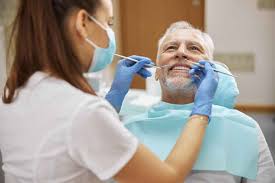
From X-rays to 3D Scans: How Digital Diagnostics Transform Your Dental Implant Visit.
When you search for a dental implant clinic near me, the first visit is no longer just a quick glance and a simple X-ray. Modern clinics lean heavily on digital tools that help your dentist see hidden details, explain problems clearly, and plan implants with far more confidence and safety.
1. From simple X-rays to smart, AI‑driven images.
Traditional bitewing and panoramic X‑rays are still the starting point, but now many clinics add AI on top of them. Deep learning systems can flag periodontal bone loss, peri‑implant defects, and disease severity on these radiographs with impressive accuracy. That means early risk areas are less likely to be missed, especially around teeth you hope to replace with implants. For you as a patient, this usually shows up as clearer on‑screen images, colour overlays, and straightforward explanations about which sites are safe for implants and which need gum or bone treatment first.
A practical way to understand these tools is to look at what they actually change during your appointment:
| Aspect of the first visit | Traditional approach | Digital / AI‑assisted approach | What this means for you |
|---|---|---|---|
| Explanation of findings | Short verbal summary, often using printed X‑rays | On‑screen images with colour highlights and simple language | It becomes easier to see which teeth or gaps need treatment and why |
| Planning discussion | General outline of “we can place an implant here” | Visual simulation of possible implant positions and angles | You can better compare options and understand how they affect future comfort |
| Involvement in decisions | Dentist leads, you mostly listen | Dentist invites questions while showing digital models | You feel more confident saying yes or asking for alternatives |
2. Why 3D scans and AI matter for long‑lasting implants.
Once basic X‑rays are checked, a 3D scan often comes next to map bone height, width, and density in detail. Combined with AI‑driven analysis, your dentist can judge implant‑site health more precisely and customise the size, angle, and position of each implant. This digital planning reduces guesswork, supports safer surgery, and improves the chances that your implants stay stable and comfortable for years. When choosing a clinic near you, asking about digital X‑rays, 3D scans, and AI‑assisted planning is a simple way to gauge how much they invest in predictable, durable smiles.
Titanium, Ceramics, and Beyond: What Implant Materials Mean for Safety and Comfort.
When you search “dental implant clinic near me”, you’re really also choosing between different implant materials. Titanium, ceramics, or newer options can affect how strong your implant feels, how your bone responds, and how comfortable things are long term.
1. How strong should an implant be for everyday comfort?
Clinics often start with how well an implant material matches your natural bone. If it is too stiff, it can push most chewing forces onto the bone and cause stress shielding, which may affect comfort over time. That is why some dentists now compare bone and implant stiffness when planning treatment.
When you talk to a local clinic, you can ask whether they offer options closer to bone, such as certain polymer composites, especially if you worry about bite comfort.
2. Metal, ceramic, or “biological” style options?
Beyond classic titanium, many clinics now discuss ceramic and more “biological” style implants. These aim to feel kinder to your tissues and sometimes heal a bit faster, which matters if you want to shorten the gap between surgery and final crowns.
When comparing clinics near you, check if they screen for metal sensitivity and whether they can offer ceramic or high biocompatibility systems if your gums are delicate or you have allergy concerns.
To decide which material philosophy might suit you, it helps to match common patient priorities with typical material directions:
| Patient priority | Material direction often considered | Typical strengths | Possible trade‑offs |
|---|---|---|---|
| Natural‑looking gum line and tooth colour | Tooth‑coloured ceramic implants and abutments | Discreet appearance and metal‑free feel | May require more careful handling and case selection |
| Concern about metal sensitivity | Ceramic or “metal‑reduced” systems | Reduced exposure to conventional metals around the gum | Fewer clinics may offer a full range of these systems |
| Focus on robust, time‑tested option | Established titanium‑based systems | Long clinical history and wide compatibility with parts | Visible metal may need careful design in thin gums |
| Priority on gentle loading of bone | Newer designs aiming to be closer to bone behaviour | May support a softer feel during chewing in selected cases | Not all dentists are familiar with every newer material |
Cheap Deals vs Smart Investment: Comparing Dental Implants Price, Risks, and Long-Term Value.
When you search “dental implant clinic near me”, the cheapest quote can look very tempting. But implants stay in your mouth for decades, so cutting corners on quality or planning may cost much more later. It helps to know how brands, materials, and treatment choices affect both price and long‑term value.
1. Cheap implant deals vs quality brands: what are you really paying for?
Low prices often mean no‑name implants, limited data, and uncertain support if something fails. Well‑known systems usually cost more, but they bring stronger evidence, better materials, and easier future repairs in any clinic near you, not just the original one.
Many local clinics offer mid‑range options that balance budget and reliability. Premium lines usually suit people with weaker bone, higher risk factors, or those who want maximum peace of mind and easier long‑term maintenance wherever they move.
2. Comparing implants and bridges: looking beyond the first bill.
A bridge can be cheaper at the start, so it often appears in “affordable tooth replacement” ads. But it involves drilling healthy neighboring teeth and does nothing to protect the jawbone, which can change your smile shape over time and lead to more treatments.
If you plan to keep the tooth replacement for decades, a well‑planned implant from a trusted clinic near you is usually a smarter investment than the fastest or cheapest option. Fewer replacements, better bone health, and preserved neighboring teeth often mean lower total cost in the long run.
More Than a Chair: How Truly Patient-Centric Dental Implant Clinics Make Treatment Easier.
Looking for a “dental implant clinic near me” usually starts with maps and star ratings, but what really matters is how the clinic treats you from first call to final check-up. When a clinic is truly patient-centric, every step feels clearer, calmer, and much easier to manage, both emotionally and financially.
1. What “patient-centric” really feels like during implant treatment.
In a patient-focused clinic, the team does more than place a screw and a crown. They start by listening: your fears, your budget, your time limits. Instead of throwing technical terms at you, they use simple explanations, drawings, or models so you know what will happen at each visit. You get clear options, including pros, cons, and likely healing time, not just the most expensive plan. Staff check in about pain control, offer flexible appointment times, and help you plan around work or family. You walk out of each visit knowing the next step, not guessing.
2. How to spot a truly supportive clinic near you.
When you browse local clinics, look beyond “dental implant” in big letters. Pay attention to how they describe the patient experience: do they mention step-by-step guidance, customised treatment plans, or help with anxiety and sedation? Reviews that talk about feeling “heard”, “well informed”, and “never rushed” are strong signs. A good clinic is upfront about costs, timelines, and possible complications, and encourages questions instead of brushing them off. Even small touches, like reminder calls, follow-up messages after surgery, and help with payment planning, show that for them, you are more than a chair number.
Q&A
Q1: How do digital X-rays and AI improve safety and accuracy in dental implant planning?
A1: AI analyzes X-rays to highlight bone loss and risky areas, helping dentists spot problems earlier. This means safer implant sites, clearer explanations, and fewer surprises during surgery.
Q2: Why are 3D scans important for long‑lasting dental implants?
A2: 3D scans map bone height, width, and density in detail. Combined with AI, they let dentists customise implant size and angle, reducing guesswork and improving long‑term stability and comfort.
Q3: How does matching implant material stiffness to bone affect comfort and safety?
A3: If an implant is much stiffer than bone, it can overload bone and cause stress shielding. Materials closer to bone stiffness may spread chewing forces better and feel more comfortable over time.
Q4: What makes “biological” or ceramic implants attractive for sensitive patients?
A4: Biological‑style and ceramic systems aim for high biocompatibility, faster integration, and quicker healing. They can be helpful for people with metal sensitivity or delicate gums seeking gentler options.
Q5: What does a truly patient‑centric dental implant clinic do differently for patients?
A5: It listens to fears and budgets, explains options in simple language, clarifies pros and cons, supports pain and anxiety control, is transparent about costs, and offers flexible scheduling and follow‑up.