
How to Find Affordable Dental Implants and the Right Implant Specialist Near You
If you’re comparing dental implant options—single teeth, multiple teeth, or same‑day treatment—this overview helps you weigh comfort, durability, and cost. Learn how specialists place and repair implants, what affects healing time, and how to find a skilled, affordable implant dentist near you.
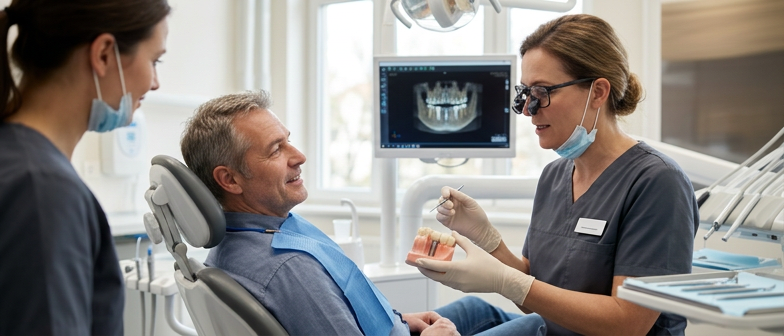
What Dental Implants Are and How They Work
A modern dental implant is an artificial tooth root placed into the jawbone to replace a missing tooth. Most individual dental implants are made from medical‑grade titanium or ceramic because these materials are strong and biocompatible. Each implant has three main parts: the implant post that sits in the bone, the abutment that connects to the post above the gumline, and the visible crown that is shaped and colored to look like a natural tooth. Unlike dentures or bridges that rest on the gums or clip to nearby teeth, a dental implant becomes a stable anchor that can support one tooth or, in some plans, several teeth.
After a dental implant specialist places the post in the jaw, the bone gradually fuses to its surface in a process called osseointegration. This bonding usually takes a few months and is what allows the implant to function like a natural tooth root when you bite or chew. Once healing is complete, the abutment and crown are attached, restoring both appearance and function with a tooth that stays fixed in place. Because each implant stands on its own, nearby teeth do not need to be ground down, and biting forces are transmitted into the bone, helping maintain jawbone volume and facial structure over time.
Types of Dental Implant Treatments
Dental implant treatments range from replacing a single missing tooth to rebuilding an entire arch. The most common option is individual dental implants, where a titanium or ceramic post in the jawbone supports one custom crown. This feels and functions like a natural tooth and protects neighboring teeth because they do not need to be ground down for a bridge. Several missing teeth can be restored with multiple implants that support a bridge or a full-arch prosthesis, reducing the number of posts while still providing strong chewing function and good aesthetics. Your dentist or implant specialist will recommend a design based on how many teeth are missing, jawbone volume, and your general oral health.
Treatment choices also differ in how they handle existing implants and how quickly teeth can be restored. If an existing implant or its crown fails, a clinician may be able to fix a dental implant by replacing only the abutment or crown, adjusting the bite, or treating gum inflammation. More complex problems, such as a loose post or bone loss, might call for bone grafting, a new implant, or another type of restoration. Some practices offer immediate or same-day approaches, where a temporary tooth is attached soon after placement, but these depend on bone quality and bite forces. Understanding options from simple repair of one restored tooth to full-arch reconstruction helps you discuss realistic goals, timelines, and maintenance with your dental implant specialist.
| Treatment Option | Main Goal | Typical Timeline | Best Suited For | Key Considerations |
|---|---|---|---|---|
| Individual dental implant | Replace one missing tooth | Longer, staged healing | Single gaps with good bone | Most natural feel; higher precision |
| Implant-supported bridge or full arch | Restore several missing teeth | Multi-visit, planned sequence | Multiple gaps or full-arch loss | Fewer posts; more complex design |
| Fix or restore existing implant | Repair crown or support tissues | Usually shorter, targeted visits | Patients with prior implant work | May need bite adjustment or grafting |
| Same-day implant with temporary tooth | Immediate cosmetic replacement | One-day placement, longer integration | Strong bone and stable bite | Higher initial demands on bone and gums |
Single-Tooth and Multiple-Tooth Implant Options
Individual dental implants replace a single missing tooth with one titanium post in the jawbone and a custom crown that matches nearby teeth. This avoids filing healthy teeth for a bridge and helps keep your bite and bone stable over time. When you meet with a dental implants dentist near you, they will examine the space, your bite, and the condition of the neighboring teeth to confirm that a stand‑alone implant is the most functional and natural‑looking choice.
If you are missing several teeth in a row, a dental implant specialist may recommend a few carefully placed implants to support multiple connected crowns or a short bridge. This limits how many implants you need while still giving you secure chewing and a realistic smile line. Thoughtful planning of implant positions, crown shapes, and gum contours helps the restored area blend with your remaining teeth and feel comfortable day to day.
Repairing or Updating an Existing Implant
When people talk about how to fix a dental implant, they are usually referring to problems with the crown, abutment, or the gum and bone around the titanium post, not the screw itself. A Dental Implant Specialist first checks whether the issue is cosmetic, like a chipped or loose crown, or functional, such as pain when biting, bleeding gums, or movement of the tooth. Often the solution is tightening or replacing the abutment screw, remaking a cracked crown, or treating inflamed tissue with professional cleaning and improved home care. More complex situations, such as bone loss around the implant, may require grafting, changing the prosthetic design, or in rare cases removing and replacing the implant, always aiming to preserve healthy bone and gum.
Same-Day Implants and Treatment Timeline
When people ask about same day dental implants near me, they usually want to know if a failing or missing tooth can be removed and replaced with an implant and temporary crown in one visit. This can be done when bone quality, gum health, and bite forces are favorable. A dental implant specialist near me will complete an exam, 3D imaging, and a medical review to judge stability and healing potential. Even if the implant and a temporary tooth are placed on the same day, the titanium post still needs several months to fuse with the bone, so the overall healing timeline is similar to traditional treatment. The main advantage is not having a visible gap during this integration period, which matters most for front teeth.
Not everyone is a good candidate for same day treatment, which is why a qualified dental implant specialist should guide the decision. Heavy smoking, uncontrolled diabetes, active gum disease, or very thin or soft jawbone often lead to a staged approach, with the final crown added only after proven healing. Same day options demand very precise planning and can carry a slightly higher risk of early movement or failure if the tooth is overloaded. During your consultation, the implant dentist should outline your likely timeline, from extraction and any grafting to final crown placement, and help you weigh the convenience of immediate teeth against the safety of a slower protocol.
What to Expect Before and After Placement
Before your dental implant is placed, your dental implants dentist will review your medical history, take X‑rays or 3D scans, and confirm that your jawbone and gums are healthy enough for surgery. On the day of treatment you may receive local anesthesia alone or with sedation, so arrange transportation if you will not be able to drive. If you choose a same day dental implant option nearby, the specialist can place the implant and attach a temporary tooth in one visit, then provide written instructions for medications, cleaning, and what to avoid.
After the procedure, numbness usually wears off within a few hours, and mild swelling, bruising, or soreness for several days is typically managed with over‑the‑counter pain relief and cold compresses. You will need soft foods, no smoking, and gentle cleaning while the area heals, returning for follow‑up visits so your local dental implants dentist can monitor the site, remove stitches if needed, and later schedule the final crown once your dental implant specialist confirms the implant is stable.
Q&A
-
What is a dental implant, and how does it differ from a bridge or denture?
A dental implant is an artificial tooth root, usually titanium or ceramic, placed in the jawbone. An abutment and crown are added to create a tooth that looks and works like the real one. Bridges rest on neighboring teeth and dentures sit on gums, but implants are anchored directly in bone and do not depend on other teeth for support. -
When is a single dental implant the best option for one missing tooth?
A single implant is often best when nearby teeth are healthy and you want to avoid filing them down for a bridge. It helps keep your bite stable, preserves jawbone around the gap, and can feel more natural than a removable partial denture. -
Can a loose or chipped implant tooth be fixed?
Often it can. Most problems involve the crown, abutment, screws, or gum, not the implant post in the bone. An implant dentist may tighten or replace parts or treat inflamed tissue. Only serious bone loss or failure of the post usually requires removing and replacing the implant. -
How realistic are same day dental implant treatments?
Same day treatment usually means placing the implant and a temporary tooth in one visit. It is realistic when bone and gum conditions are good. The post still needs months to fuse with bone, but you avoid having a visible gap while it heals. -
How can I find an affordable dental implant specialist near me?
Look for clinics that do implants regularly, compare written treatment plans, and ask about phased care, payment plans, and designs that use fewer implants. Check that the dentist has advanced implant training and experience, not just low advertised prices.
Further Reading on Dental Implants
- https://www.perio.org/for-patients/periodontal-treatments-and-procedures/dental-implant-procedures/
- https://www.asird.org/are-dental-implants-permanent/
- https://www.newmouth.com/dentistry/restorative/implants/cost/